The Perfect First Taiwan Trip
This itinerary is built for Australians visiting Taiwan for the first time, prioritising the experiences that most reward the effort of getting there — Taipei’s neighbourhood character, Jiufen’s cinematic atmosphere at dusk, the genuinely astonishing drama of Taroko Gorge, and the east coast railway that threads between marble mountains and the Pacific Ocean. It moves at a pace that allows actual immersion rather than a checkbox tour. And it keeps costs honest: street food, public transport, and smart accommodation choices mean this itinerary is achievable on A$95–140 per person per day all-inclusive (excluding international flights).
✈️ Getting There
~9hrs direct from Sydney/Melbourne to Taipei Taoyuan (TPE). Korean Air, EVA Air, Qantas, China Airlines. Book the earliest arrival on Day 1 for maximum time.
✅ Entry
Visa-free 90 days. Complete the free TWAC digital arrival card at acard.immigration.gov.tw within 72hrs before departure. Passport 6+ months valid.
🚊 Transport Card
Buy an EasyCard (NT$100 deposit) at any TPE airport MRT station on arrival. Works on all Taipei MRT, buses, YouBike, HSR discounts, and convenience stores.
💵 Currency
NT$50 ≈ A$1 (April 2026). Withdraw NT$3,000–5,000 on arrival. Use cards at hotels; cash for night markets, street food, and local transport.
📷 SIM Card
Buy a prepaid tourist SIM at TPE airport (arrivals level) — 5–7 day unlimited data plans from NT$300–400 (~A$6–8). Essential for maps, translation, and LINE Pay.
🏭 Accommodation
Stay in Zhongshan or Ximending in Taipei — central, well-connected, and good value. Book Hualien accommodation before your trip — good options sell out for weekend stays.
Taipei Arrival — First Night Market
-
Arrival
Land at Taoyuan International Airport (TPE)
Clear immigration — typically 20–40 minutes, faster if you completed the TWAC digitally. Head directly to the basement level to buy your EasyCard at the MRT station. The Airport MRT Express to Taipei Main Station takes 35 minutes and costs NT$160 (~A$3.20) — far cheaper and faster than any taxi.
-
Afternoon
Check In and First Walk
Drop bags and resist the urge to nap. Taiwan’s time zone is the same as Queensland — no jet lag for Brisbane travellers; minimal adjustment from Sydney or Melbourne. Walk the neighbourhood of your hotel to begin calibrating: a convenience store lunch (FamilyMart or 7-Eleven, both of which carry genuinely good hot food from NT$30–60 / ~A$0.60–1.20) is a reasonable first Taiwan meal and sets the value baseline for everything that follows.
-
Evening
Raohe Night Market
Your first night market: Raohe Street Night Market in Songshan, anchored at the entrance by the vermilion-tiled Songshan Ciyou Temple. Walk in from the temple end and graze systematically. The Fuzhou Black Pepper Bun stall (look for the queue — it starts before 5:30pm) is your first priority: a baked pastry shell packed with pork, scallion, and black pepper, eaten straight from the clay oven. Follow with Chen Dong Pork Ribs Medicinal Herb Soup (Michelin Bib Gourmand), oyster egg, and whatever draws you in. Budget NT$300–500 (~A$6–10) for a full Raohe dinner spread. Take the MRT from Songshan station back to your hotel.
Night market timing: Raohe runs 5pm–midnight daily. Peak crowds are 7–9pm; arrive by 5:30pm for the best experience without the worst queues. On Day 1, earlier is better while your energy is still good.
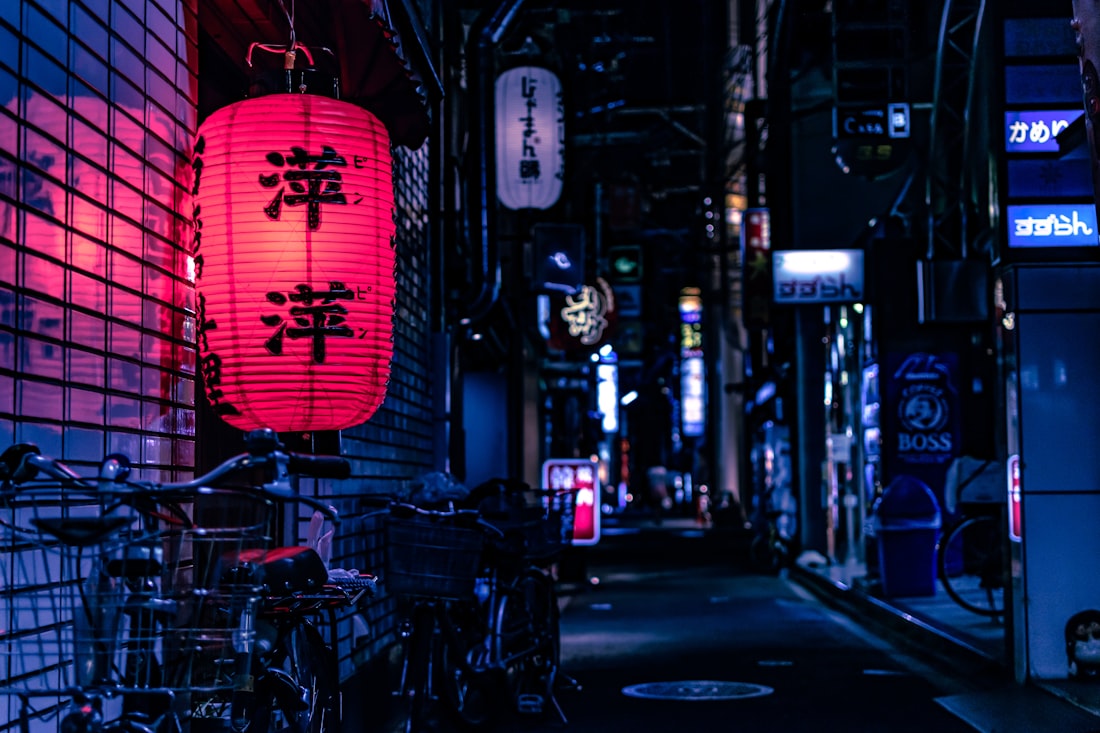
Taipei City Day — Palaces, Peaks & Noodles
-
Morning 9am–12pm
National Palace Museum
The world’s largest collection of Chinese imperial artefacts — 690,000+ items brought to Taiwan in 1948. Take MRT to Shilin, then Bus 255 or 304 to the museum entrance (~15 minutes). Entry NT$350 (~A$7) standard. The permanent collection takes 2–3 hours even at a selective pace. Focus on the Jadeite Cabbage (Room 104 — a tiny carved jade sculpture in the form of a Chinese cabbage that draws a permanent crowd), the Meat-Shaped Stone (genuine geological formation that looks uncannily like braised pork belly), and the Song Dynasty paintings on the upper floors. Audio guide NT$100 (~A$2).
-
Lunch 12–1:30pm
Beef Noodle Soup in Zhongshan
Take the MRT back toward central Taipei and find a beef noodle soup (niú ròu miàn) restaurant — the city’s unofficial signature dish. Lin Dong Fang (near Xingtian Temple MRT) is one of the most consistently praised in Taipei: thick, hand-pulled noodles in a dark, deeply spiced braised broth with meltingly tender shank. Queue is normal; it moves. NT$200–280 (~A$4–5.60). Add a side of braised tofu or egg.
-
Afternoon 2–5pm
Elephant Mountain (Xiangshan)
Take MRT to Xiangshan (end of Red Line). The trail to the first ridge viewpoint is 20 minutes of steep stone steps — bring water, wear shoes, go at your own pace. The reward is one of the world’s great urban views: Taipei 101 (508 metres — once the world’s tallest building) framed by the city grid and surrounding mountains. The view at dusk when the city lights come up is exceptional. Free. No crowds compared to the summit. Stay for the light change if timing works.
-
Evening 6pm–late
Ningxia Night Market
Taipei’s most local night market — the one serious food visitors prefer. Easy walk from Zhongshan MRT. Smaller than Raohe or Shilin, more concentrated, and frequented overwhelmingly by Taipei locals. Look for oyster omelet (ō-á-tsian — a slightly sticky, savoury egg omelette with oysters and sweet potato starch), taro balls in sweet broth, and the mochi-wrapped sesame tang yuan. Liu Yu Zi’s deep-fried taro balls stuffed with pork floss are at the market’s south end. Budget NT$200–400 (~A$4–8).
Taipei Neighbourhoods — Tea, Temples & Hot Springs
-
Morning 8–11am
Longshan Temple & Huaxi Street
Longshan Temple in Wanhua — Taipei’s oldest and most atmospheric Buddhist-Taoist temple, built in 1738, rebuilt multiple times. Arrive before 9am for the quietest experience and the morning incense rituals. The adjacent Bopiliao Historic Block preserves Qing Dynasty street architecture. Walk south to Huaxi Street (Snake Alley) — a traditional snack street that opens from late morning; the atmospheric lane character is worth the short walk.
-
Late Morning 11am–1pm
Ximending — Breakfast & Browse
Walk 10 minutes north to Ximending — Taipei’s pedestrianised youth culture district, sometimes called the Harajuku of Taipei. The streets around the main circular plaza are dense with independent fashion, Japanese-style street snacks, anime shops, and the very good Ah-Zong Mian Xian (vermicelli noodle soup with oysters, intestine, or squid in thick, slightly viscous broth) — NT$65 (~A$1.30) a bowl, queues always, queue moves fast.
-
Afternoon 2–6pm
Beitou Hot Springs
Take MRT Red Line to Xinbeitou (branch from Beitou station, 2 stops). Beitou is Taipei’s geothermal hot spring district — a 30-minute MRT ride that delivers something genuinely unusual: outdoor hot spring bathing in a mountain river valley with Japanese-era buildings lining the stream. The Millennium Hot Spring is a large public outdoor facility with separate pools at different temperatures: NT$40–80 (~A$0.80–1.60). Bring your own towel; swimwear required in public pools. For a private onsen bath, small guesthouses charge NT$600–1,200 (~A$12–24) per hour for a room. Walk the Beitou Hot Spring Museum (free) — a beautifully preserved 1913 Japanese public bathhouse.
-
Evening
Shilin Night Market
Taipei’s largest and most famous night market — save it for tonight so you can make a genuine comparison with Raohe and Ningxia. The renovated underground food court (reopened April 2025) handles volume well. Start with the stinky tofu stalls if you’re feeling adventurous: braised tofu with a pungent fermented smell that belies a genuinely good flavour when fried. The oyster vermicelli, scallion pancakes, and the freshly made tanghulu (fruit skewers in a hard sugar shell) are the highlights. Budget NT$300–500 (~A$6–10).
Beitou timing: Arrive at Beitou between 2pm and 4pm — weekday afternoons are quietest. Weekends can be crowded at the public pools. The hot spring visit doubles as a very effective recovery session before your east coast days begin tomorrow.
Jiufen & the Gold Coast Northeast
-
Morning 8:30am
Train from Taipei to Ruifang
Take TRA train from Taipei Main Station to Ruifang (瑞芳) — approximately 1 hour, NT$49–89 (~A$1–1.80) depending on express vs local. Trains run frequently; no booking needed, buy at station. At Ruifang, transfer by taxi (NT$120–150 / ~A$2.40–3 per person shared, typically 4 people) or Bus 788/825 to Jiufen. The bus takes longer but gives better scenery on the mountain road descent. Arrive in Jiufen by 10am to have the old street almost to yourself before the tour groups arrive.
-
Morning 10am–12pm
Jiufen Old Street — Early
Jiufen was a gold-mining boom town in the late 19th century that has barely changed. The Jishan Old Street (基山老街) is the main pedestrian lane — narrow stone-paved, lined with teahouses, taro ball shops, and dried seafood sellers. The morning is quiet and the light is extraordinary. Walk to the A-Mei Teahouse viewing platform for the Pacific Ocean panorama; the teahouse is famous as a visual reference for Studio Ghibli’s Spirited Away (though the studio has never confirmed this officially). A traditional tea ceremony here is NT$200–400 (~A$4–8) including tea service and light snacks.
-
Lunch 12–1:30pm
Jiufen Lunch
Taro balls (yu yuan) in sweet broth are Jiufen’s signature dish — chewy, slightly sticky spheres of taro and sweet potato in a warm or cold ginger syrup or red bean soup. Ah-Lan Taro Ball (阿蘭草仔粿) on Jishan Street has operated for decades. NT$60–80 (~A$1.20–1.60) a bowl. Add a plate of fish ball soup from a neighbouring stall for a more substantial lunch. Total: NT$150–200 (~A$3–4).
-
Afternoon 2–4pm
Jinguashi Gold Museum
15 minutes by Bus 788 or taxi from Jiufen to Jinguashi Gold Ecological Park — a fascinating open-air museum of the former gold and copper mining district, with preserved Japanese-era mine buildings, a 220kg solid gold bar you can touch inside the museum (NT$80 entry / ~A$1.60), and walking trails with Pacific coast views. The area is dramatically less crowded than Jiufen and gives the mining history its proper context.
-
Dusk 4:30–7pm
Return to Jiufen for Sunset and Lanterns
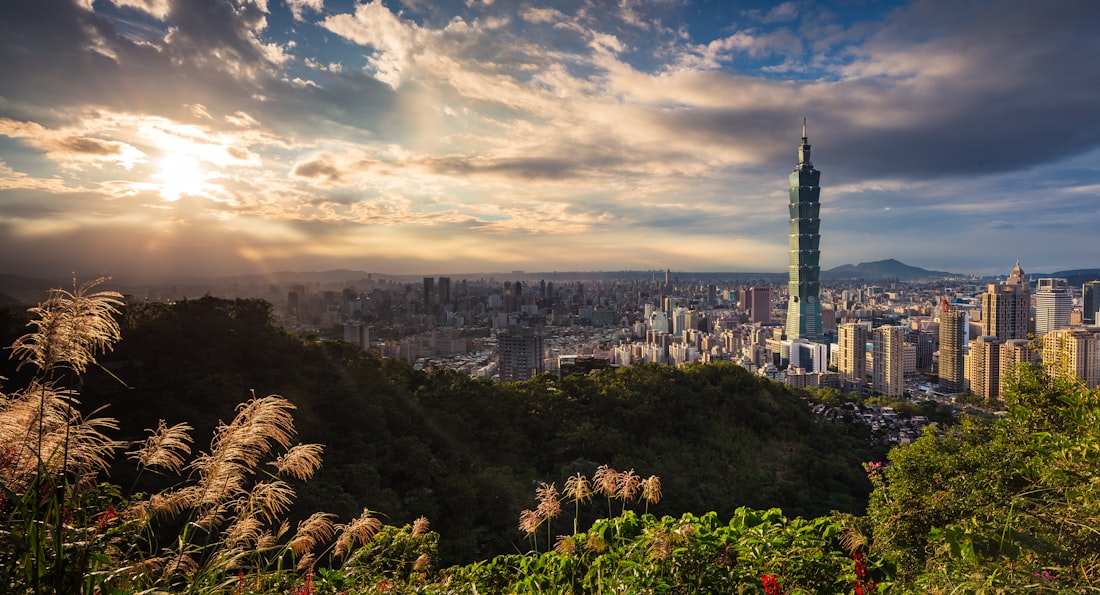
Return to Jiufen by 4:30pm to claim a window seat at a teahouse before the lanterns are lit. The transformation at dusk — red paper lanterns warming against the fog rolling in from the Pacific, the stone steps lit amber, incense from the small temple at the lane’s end — is one of the most atmospheric evening experiences in Asia. Jiufen Teahouse (九份茶坊) has the most dramatic cliff-edge terrace. Allow 1.5–2 hours with tea before the descent back to Ruifang for your evening train to Taipei (or continue to Hualien if you rearrange Day 5).
The key timing insight: Most tours arrive in Jiufen between 11am and 3pm. The morning (before 11am) and the dusk period (after 4:30pm) are dramatically more enjoyable. Structure your day around arriving early and staying for the lanterns — the middle of the afternoon can be spent at Jinguashi.
The East Coast Railway — Taipei to Hualien
-
Morning 7–8am
Tze Chiang Express from Taipei to Hualien
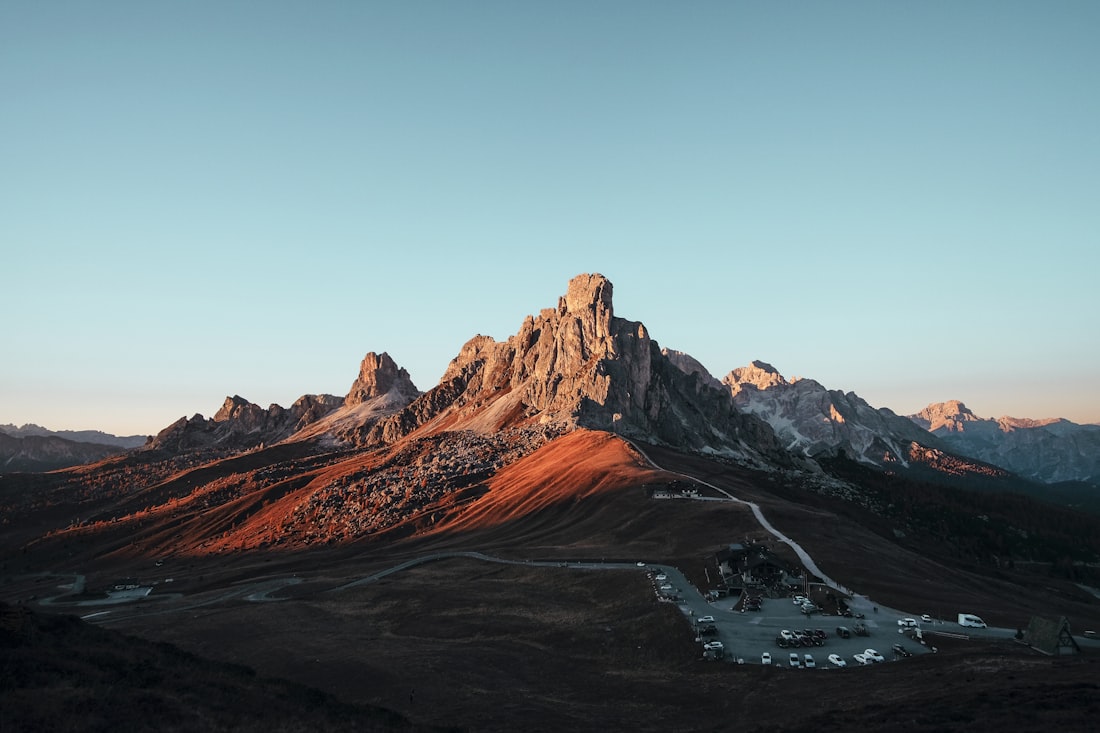
Book the Tze Chiang Limited Express train (太魯閣號 or Puyuma) from Taipei Main Station to Hualien in advance — at least 3–7 days ahead, as Hualien trains fill quickly, especially for Friday departures. Journey time: approximately 2 hours. Cost: NT$440 (~A$8.80). Seat assignment is included. Sit on the right side of the train for ocean views. The line descends from Taipei, passes through Yilan’s agricultural plains, and then traces the coastal cliffs of the Suhua Highway section — mountains dropping directly into the Pacific, with tunnels threading through marble headlands. One of Asia’s great train journeys at A$8.80.
-
Late Morning 10–12pm
Hualien City — Dongdamen Night Market (Lunchtime Preview)
Drop bags at your hotel and walk to Dongdamen Night Market — Hualien’s main market, which operates lunch and dinner. The eastern coast has its own distinct food identity: the Hualien scallion pancake (cong zhua bing — larger, flakier, and more complex than the Taipei version), peanut ice cream rolls, mochi (glutinous rice cake) in every conceivable flavour, and very fresh Pacific coast seafood. Hualien mochi is considered the best in Taiwan — visit a dedicated mochi shop in the market for the original. NT$200–300 for a substantial lunch (~A$4–6).
-
Afternoon 1–5pm
Farglory Ocean Park or Qixingtan Beach
Two options for the afternoon. Qixingtan Beach (七星潭) is a 30-minute bicycle ride north of Hualien city along a flat coastal path — a black pebble crescent beach with direct Pacific views and the first clear sight of the Central Mountain Range rising behind it. Free. Dramatic. Farglory Ocean Park (遠雄海洋公園) is a full theme park with water rides and marine shows — better for families with children, NT$800–1,000 entry (~A$16–20). For most first-time visitors, Qixingtan is the right choice. Hire a YouBike from Hualien Station (NT$20–40 / ~A$0.40–0.80 per 30min) for the easiest route.
-
Evening
Dongdamen Night Market for Dinner & Early Night
Return to Dongdamen for the evening session. The market is better at night — more stalls, better atmosphere, and the Ami indigenous food section (Hualien has the largest Amis population in Taiwan) offers genuinely unusual dishes: wild boar, mashed taro root, and grilled river fish. Early night — tomorrow is Taroko Gorge and you want energy for it.
Train booking essential: Book Taipei to Hualien trains at least a week ahead via the TRA English website (railway.gov.tw/en) or the KKday platform. Hualien is a very popular weekend destination and Friday/Saturday trains sell out. If you miss your booking window, Kuo-Kuang bus runs the route in 3.5 hours for NT$310 (~A$6.20) — slower but scenic.
Taroko Gorge — The Marble Canyon
-
Early Morning 7am
Depart Hualien Early
Start as early as possible — 7am if you can manage it. Taroko is more crowded and hotter mid-morning onward, and early light in the gorge is exceptional. Take a scooter rental from Hualien city (NT$350–500 / ~A$7–10 per day with Australian licence; international driving permit may be required — check beforehand) or join a half-day guided tour from Hualien city (NT$500–800 / ~A$10–16 per person) which handles transport and stops efficiently. Taxis are available (NT$1,200–1,800 / ~A$24–36 for a 5–6 hour charter) but guided tours are better value for solo travellers.
-
Morning Stop 1
Taroko Arch of Eternity & Gorge Entrance
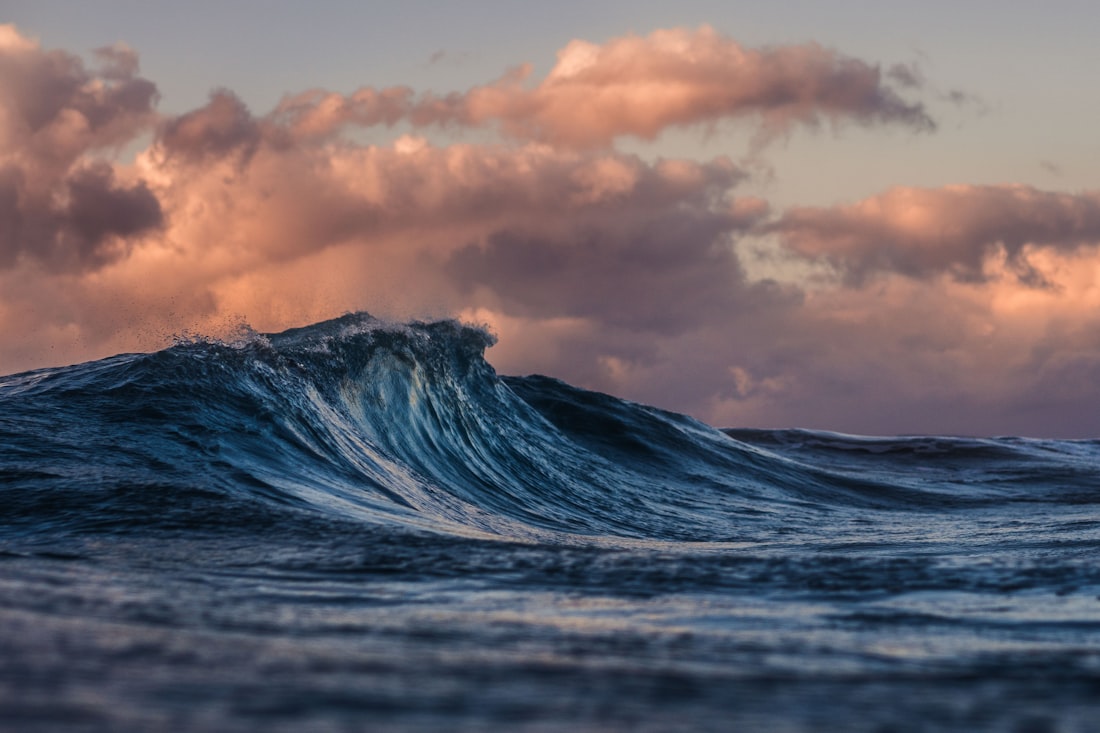
The grand entrance arch of Taroko National Park marks the transition into the gorge. The Liwu River has carved through the Central Mountain Range for millennia — what remains is a canyon of white Taroko marble so pure it was used in the construction of the Chiang Kai-shek Memorial Hall in Taipei. The gorge walls rise up to 1,000 metres in places. The initial drive along the gorge road (Provincial Highway 8) threads through tunnels blasted through solid marble, with the river churning green-blue far below.
-
Morning Stop 2
Swallow Grotto (Yanzikou)
Swallow Grotto (燕子口) is the most dramatic accessible section of the gorge — a narrow walkway cut into the marble cliff face above the river, with overhanging rock formations, natural potholes worn by ancient river levels, and the remains of hundreds of swallow nests in the cliff face. Hard hats are provided at the entrance (mandatory — falling rocks are a genuine risk; the cliffs are actively eroding). The 1.4km trail takes 30–40 minutes. Go slow; look up.
-
Late Morning
Changchun Shrine
The Eternal Spring Shrine (長春祠) — a small pavilion set into a cliff face above a waterfall, with the gorge road threading through a tunnel below. Built to honour the 212 workers who died constructing the Central Cross-Island Highway in the 1950s. The perspective from the opposite canyon wall, looking across the gorge to the shrine and waterfall, is one of the most photographed views in Taiwan. The shrine can be reached on foot via a steep path; the photo view is from the road.
-
Midday
Tianxiang — Lunch at the Gorge
Tianxiang (天祥) is the main service point within the gorge — 19km from the entrance. The Tianxiang Catholic Church cafeteria serves genuinely good, inexpensive set lunches (NT$120–150 / ~A$2.40–3) — Taiwan’s most improbable good-value lunch spot. The area also has a seven-storey pagoda on the hill above, walkable in 15 minutes with canyon views from the top.
-
Afternoon
Lushui Trail & Return
On the return drive, the Lushui Trail (綠水步道 — Green Water Trail) is a 1.6km easy forest path with views into the gorge below and the mountain ridges above. A peaceful counterpoint to the drama of Swallow Grotto. Return to Hualien by late afternoon; check train times for your evening or next-day return to Taipei. Stock up on Hualien mochi from Tseng Ji Mochi (曾記麻糬) near the station — the definitive souvenir of the east coast.
Safety in Taroko: The gorge is an active geological zone — rock falls occur. Always wear the provided hard hat at Swallow Grotto, stay on marked paths, and check the park website (taroko.gov.tw) for any trail closures before your visit. Sections of the gorge road are occasionally closed after heavy rain. The park has an English-language safety briefing at the visitor centre.
Return to Taipei — Final Hours
-
Morning Train
Hualien to Taipei
Morning express back to Taipei — 2 hours, same route in reverse. If your flight departs in the evening, you have a full afternoon in Taipei. If it’s a morning flight, take the first train and go directly to the airport. Check-in for international flights at TPE closes 60 minutes before departure — allow at least 2 hours from Taipei Main Station including the Airport MRT (35 minutes).
-
If afternoon flight — Final Taipei Hours
Yongkang Street — The Perfect Last Morning
Yongkang Street in Da’an district is Taipei’s most civilised neighbourhood for a final few hours — independent cafés, the original Din Tai Fung branch (queue for xiao long bao / soup dumplings — expect 30–50 minutes but absolutely worth it; NT$280–380 / ~A$5.60–7.60 for a bamboo steamer of 10), and boutique shops with Taiwanese design. Walk to the adjacent Daan Forest Park — Taipei’s Central Park equivalent — for a final quiet hour under the banyan trees before heading to the airport.
-
Departure
Airport MRT from Taipei Main Station
The Airport MRT Express departs from the basement of Taipei Main Station every 15–30 minutes. Journey to TPE Terminal 1 is 35 minutes; Terminal 2 is 37 minutes. The express trains are air-conditioned, have luggage racks, and cost NT$160 (~A$3.20). City check-in is available at Taipei Main Station for some airlines — check your carrier for this option.
What to bring home: Tseng Ji Mochi (Hualien mochi, from Day 6), pineapple cakes (fèng lí sū — the classic Taiwanese souvenir pastry, available at every convenience store and dedicated shops in Yongkang), Kavalan whisky from 7-Eleven (yes, seriously — Taiwan’s award-winning single malt, available at Kavalan shops near Yongkang Street and at TPE airport duty-free at genuine prices), and tea from a Wǔlóng Tea shop in Yongkang.
🚊 Getting Around: Transport Summary
| Journey | Method | Time | Cost (AUD) |
|---|---|---|---|
| TPE Airport → Taipei City | Airport MRT Express | 35 min | A$3.20 |
| Within Taipei | MRT (EasyCard) | Varies | A$0.60–1.20 |
| Taipei → Beitou | MRT Red Line | 30 min | A$0.80 |
| Taipei → Ruifang (Jiufen) | TRA Train | 60 min | A$1–1.80 |
| Ruifang → Jiufen | Shared taxi or Bus 788 | 15–25 min | A$0.80–3 |
| Taipei → Hualien | Tze Chiang Express (TRA) | 2 hrs | A$8.80 |
| Hualien → Taroko | Tour / Scooter / Taxi | 30–60 min | A$10–36 |
| Hualien → Taipei | Tze Chiang Express | 2 hrs | A$8.80 |
🆕 What to Pack
👣 Footwear
Comfortable walking shoes for city days and Elephant Mountain. Sandals or slip-ons for night markets and hot spring visits. One pair of shoes that can handle the Taroko trail (non-slip sole).
💧 Weather
Taiwan’s weather is subtropical. Light layers for air-conditioned MRT and restaurants. A packable rain jacket. Sunscreen. Spring and autumn are ideal; summer brings heat and typhoon risk.
⌨️ Documents
Passport (6+ months valid). TWAC digital arrival card screenshot. Hotel booking confirmations. TRA train tickets (downloaded in the app or printed). Travel insurance documentation.
📱 Tech
Unlocked phone for local SIM. Power bank — essential for all-day city walking with maps, translation, and photos. Type A plug (same as Australia — no adapter needed for most devices). Download Google Translate offline for Mandarin.
💲 Money
Withdraw NT$3,000–5,000 on arrival at TPE airport ATM. Cash is essential for night markets, local restaurants, and smaller transport. Cards work everywhere in hotels and larger restaurants.
🛠️ Taroko Specific
Hard hat is provided at Swallow Grotto. Bring water (1.5L minimum), sun protection, and a light long-sleeve layer for inside the gorge tunnels which can be cool. Hiking poles optional but helpful for Lushui Trail.
Need Help Planning Your Taiwan Trip?
Our team can help tailor this itinerary to your travel style, budget, and dates — whether you want to add extra days in the south, extend east coast time, or combine Taiwan with Japan or South Korea.
Talk to Our Team Why Taiwan is Underrated →