From the tropical reef-fringed north to cosmopolitan Sydney — the complete 2026 guide to one of the world's great road journeys, covering every major destination, the best itineraries for every schedule, and insider tips from sixty years of guiding this spectacular coastline.
Cooee Tours Destination Travel TeamBrisbane, QLD · East Coast Australia Specialists · Updated March 2026
18 min read
Stretching more than 3,000 kilometres from tropical Cairns to the world-famous harbour of Sydney, Australia's East Coast is one of the planet's great travel routes. It combines the world's largest coral reef, 74 tropical islands, ancient rainforests, golden surf beaches, cosmopolitan cities, volcanic hinterlands, and a concentration of wildlife encounters found nowhere else on Earth — all connected by one of the most accessible and well-serviced travel routes in the Southern Hemisphere.
New South WalesByron Bay
Far North QueenslandGreat Barrier Reef
QueenslandThe Whitsundays
Queensland CapitalBrisbane
QueenslandGold Coast
QueenslandSunshine Coast
3,000
km of coastline
2,900+
Coral reef species
9M+
Annual visitors
57km
Gold Coast beaches
The Case for Going
🌊
Why Travel Australia's East Coast?
Few travel routes anywhere in the world deliver the same concentration and variety of extraordinary experiences as Australia's East Coast. Within a single journey you can dive the world's largest living coral structure, sail through a 74-island archipelago of turquoise water, walk ancient rainforest older than the Amazon, surf world-class breaks before sun-down, eat your way through one of the Southern Hemisphere's great food cities, and watch humpback whales breach from a headland café — all without changing currency or crossing a border.
The infrastructure is excellent. A chain of well-connected coastal towns and cities means you can travel entirely without a car if you choose, or hire one when you want the freedom to explore hinterland areas. The weather is broadly warm year-round, though different regions have distinct seasons that reward planning. English is the language everywhere. The people are famously welcoming, the wildlife is extraordinary, and the food — shaped by Asian, European, and increasingly Indigenous Australian influence — is genuinely world-class.
Whether you have one week or three months, the East Coast rewards every depth of engagement. It is an approachable, spectacular, and endlessly varied journey that consistently ranks among the world's top long-form travel experiences — and rightly so.
The East Coast is not one destination — it's nine distinct countries compressed into a single accessible route, each with its own climate, character, and reasons to stay longer than you planned.
— Cooee Tours Destination Guide · 2026
From North to South
📍
8 Key Destinations on the East Coast
The classic East Coast route runs from Cairns in Far North Queensland south to Sydney — a journey of roughly 2,800 kilometres covering two states and nearly 25 degrees of latitude. The following eight destinations represent the essential stops, presented north to south as most travellers experience them.
UNESCO World Heritage
01 — Far North Queensland
Cairns & the Great Barrier Reef
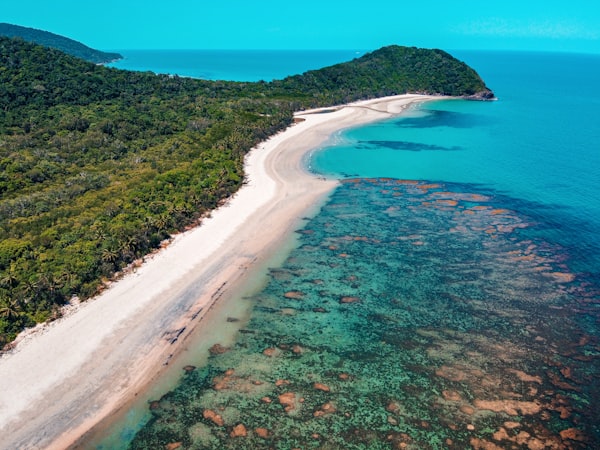
The gateway to the Great Barrier Reef is a destination in its own right — a buzzing tropical city surrounded by ancient rainforest, crocodile-filled estuaries, and the world's most biodiverse marine ecosystem. The reef itself stretches 2,300 kilometres along the Queensland coast and is best accessed via daily snorkelling and diving day trips from Cairns Marina, with outer reef pontoons offering the most pristine coral and visibility.
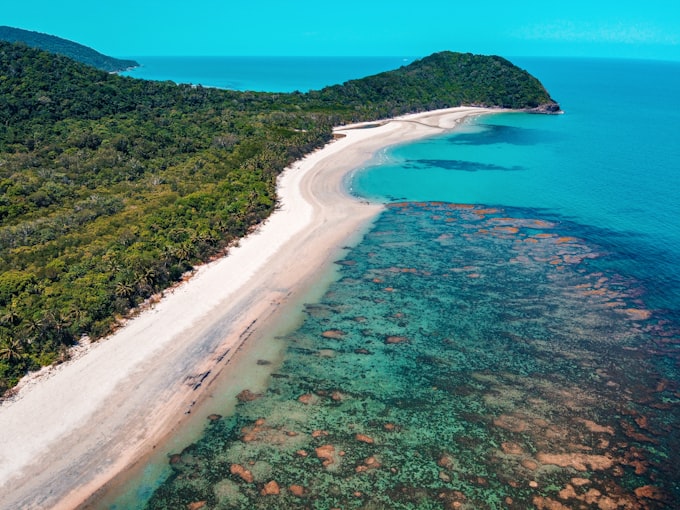
Beyond the reef, Cairns delivers remarkable diversity: the Daintree Rainforest — the world's oldest tropical rainforest, dating back 180 million years — is a day trip north via Cape Tribulation, where you can spot cassowaries, crocodiles, and tree kangaroos. White-water rafting on the Tully River, bungy jumping at Smithfield, and the Skyrail rainforest cableway offer adrenaline options for every appetite.
🐠 Reef Diving🌿 Daintree Rainforest🐊 Crocodile Country🏄 White Water Rafting🦜 Skyrail Cableway
The Whitsunday Islands are one of Australia's most extraordinary natural gifts — 74 continental islands rising from the Coral Sea between the Great Barrier Reef and the mainland, each fringed with coral and ringed by impossibly clear water. Whitehaven Beach, a 7-kilometre stretch of 98% pure silica sand on Whitsunday Island itself, consistently ranks among the world's top ten beaches. The sand stays cool even in intense heat and has a squeaking quality unique to this unusual mineral composition.
Multi-day sailing trips are the classic way to experience the Whitsundays — anchoring in sheltered bays, snorkelling on fringing reefs, and waking to sunrise over the Coral Sea. Day trips from Airlie Beach to Whitehaven and Hill Inlet (where tidal patterns create swirling patterns of sand and water visible from the lookout) are also excellent for time-constrained visitors. Airlie Beach itself is a well-serviced, energetic town with good restaurants, accommodation across all budgets, and an excellent lagoon beach.
🏖️ Whitehaven Beach⛵ Sailing Trips🤿 Fringing Reefs🌅 Hill Inlet Lookout🏝️ Island Hopping
Queensland Capital
03 — Queensland
Brisbane
Queensland's capital has transformed remarkably in the past two decades from a pleasant but unremarkable city into one of the Southern Hemisphere's most vibrant and liveable urban destinations. The South Bank Parklands, stretching 17 hectares along the river directly opposite the CBD, combine a man-made beach and lagoon with world-class museums (QAGOMA, Queensland Museum, GOMA), restaurants, and markets in a genuinely extraordinary public space. The Gallery of Modern Art is among the best in Australia and always hosts compelling international exhibitions.
Brisbane's surrounding regions make it one of the best day-trip bases in Australia. The Glass House Mountains — dramatic volcanic plugs rising from the Sunshine Coast hinterland — are an hour north. Lamington National Park's ancient Antarctic beech forest is 90 minutes south. Moreton Island, a 98% national park with the world's largest accessible sand dunes, is a 75-minute ferry ride east. The city itself rewards exploration on foot or by CityCat ferry along the river, with vibrant precincts from Fortitude Valley to West End to New Farm.
🏛️ South Bank GOMA🌋 Glass House Mountains🏝️ Moreton Island🌿 Lone Pine Sanctuary🚢 River Cruises
Australia's playground stretches 57 kilometres of golden sand from South Stradbroke Island to Coolangatta, backed by a skyline of high-rises that makes Surfers Paradise one of the most instantly recognisable coastal streetscapes in the world. The surf is genuine — Burleigh Heads, Currumbin Alley, and Snapper Rocks at Coolangatta are among Australia's finest point breaks, producing consistent, high-quality waves that attract professional surfers and beginners alike. The beach culture here is deeply authentic, not manufactured.
Beyond the beaches, the Gold Coast hinterland provides one of the most dramatic and undervisited contrasts in Australian travel. Lamington National Park protects the world's largest remaining subtropical rainforest, with 160 kilometres of walking trails through ancient Antarctic beech, 500-year-old trees, and spectacular waterfalls. Tamborine Mountain offers boutique wineries, art galleries, and cool green space just 45 minutes from the beach. Cooee Tours operates several hinterland day tours that combine these natural and culinary highlights with comfort and expert guide knowledge.
The Sunshine Coast offers the Gold Coast's natural beauty with a significantly more relaxed and sophisticated atmosphere. Noosa — the jewel of the coast — combines world-class surfing at First Point with a pristine national park headland accessible on foot from Hastings Street's excellent restaurants and boutiques, a thriving farmers' market at Eumundi, and waterway paddling through the Everglades. It's the rare destination where you can surf a powerful break, walk through coastal rainforest with koalas, eat brilliantly, and kayak through ancient paperbark wetlands all in a single day.
The hinterland villages of Montville, Maleny, and Kenilworth sit on the Blackall Range escarpment with sweeping views back to the coast and provide excellent wine, artisan food producers, and art galleries. The Sunshine Coast's food scene has developed into one of Australia's most credible regional food destinations, built on local produce, seafood, and a community of skilled producers. Cooee Tours operates hinterland day tours from the Sunshine Coast and Brisbane combining these highlights with expert local commentary.
Byron Bay occupies a unique position in Australian cultural life — simultaneously one of the country's most visited destinations and one that has managed to retain much of the alternative, deeply laid-back character that has defined it since the 1970s. The Cape Byron Lighthouse sits at mainland Australia's most easterly point, and the walk around the headland at dawn — watching the sun rise from the Pacific, dolphins surfing the break below, and humpbacks passing offshore in season — is one of the finest free experiences on the entire East Coast.
The town itself rewards slow exploration: excellent produce markets, independent surf and fashion shops, an astonishing concentration of quality yoga, wellness, and movement studios, and a food scene that consistently punches above its small-town population size. Kayaking with dolphins is a standout morning activity — guided tours depart just after dawn and encounters with wild spinner and bottlenose dolphins are remarkably consistent. The hinterland villages of Bangalow and Mullumbimby offer creative communities, excellent food, and the cool green elevation of the Border Ranges escarpment.
📍 Don't miss between Byron and Sydney: Port Macquarie (iconic coastal town, excellent whale watching, koala hospital), the Hunter Valley (Australia's oldest wine region, just 2 hours north of Sydney), and the dramatic sea cliffs and blowhole at Kiama. Each deserves at least a night if your schedule allows.
World Heritage Harbour City
07 — New South Wales
Sydney
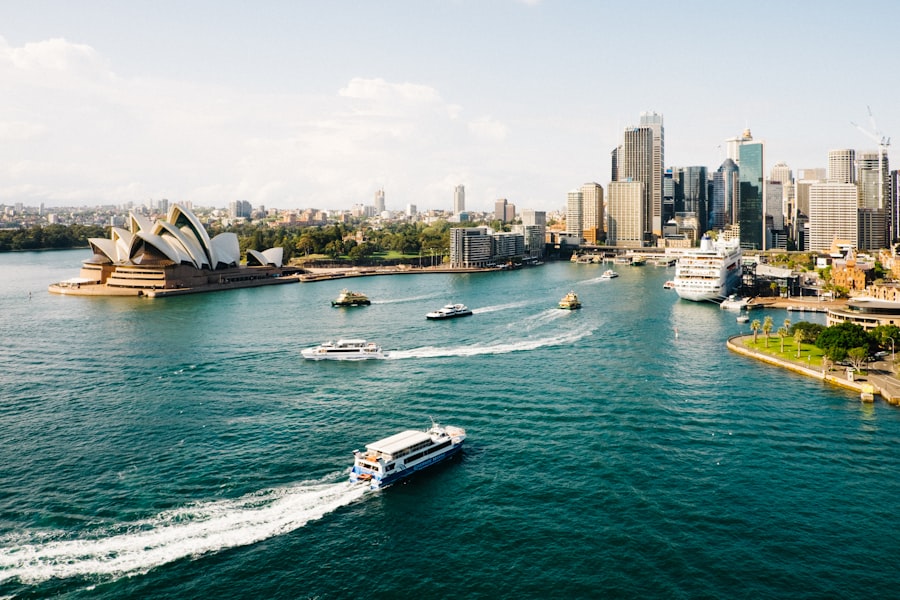
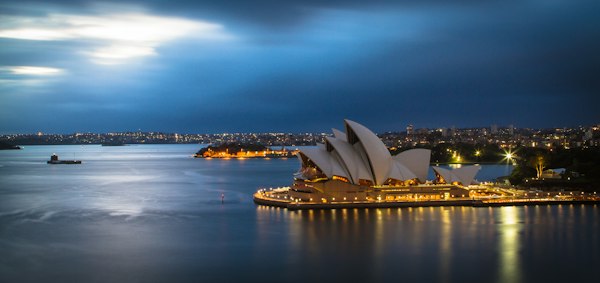
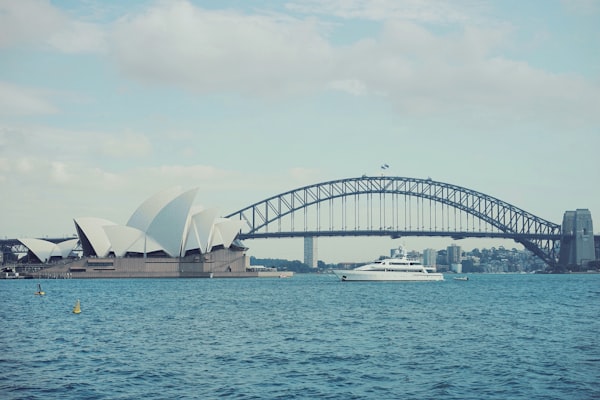
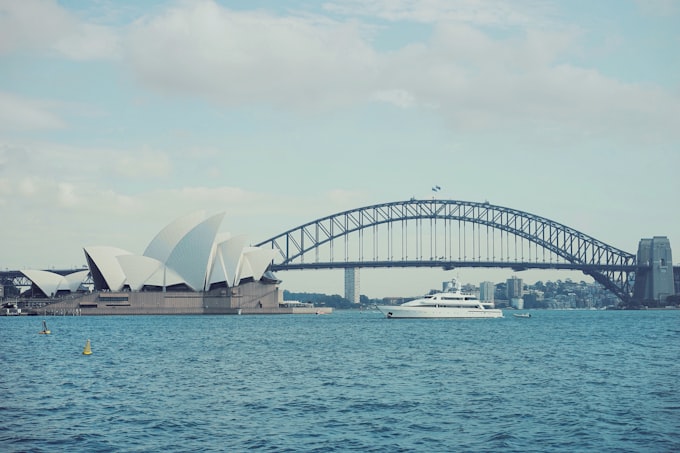
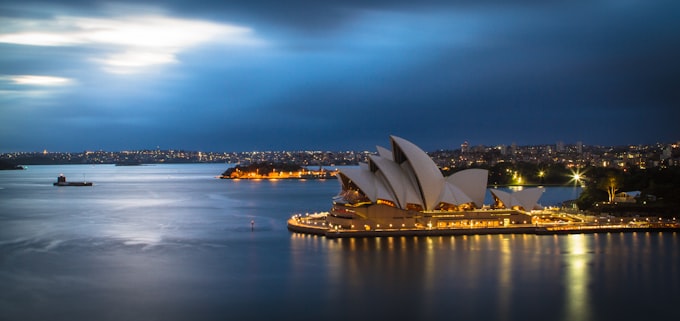
Sydney is the jewel in the crown of the East Coast — a harbour city of extraordinary beauty that consistently ranks among the world's most desirable and liveable destinations. The iconic combination of the Opera House and Harbour Bridge, set against one of the world's great natural harbours, delivers a visual impact that remains genuinely striking even for visitors who have seen it in photographs a hundred times. The harbour itself is the best way to experience the city — take a ferry to Manly, Taronga Zoo, or Watsons Bay and watch the skyline unfold across the water.
Beyond the postcard views, Sydney rewards deep exploration. The Bondi to Coogee coastal walk delivers 6 kilometres of cliff-top ocean views, hidden beaches, and swimming pools carved into the rocks. The city's food scene, concentrated in precincts from Surry Hills to Potts Point to Newtown, is legitimately world-class and built on extraordinary seafood, multicultural influence, and exceptional produce. The Blue Mountains — a UNESCO World Heritage wilderness area of canyons, waterfalls, and Aboriginal cultural sites — is 90 minutes west and the finest day trip from any Australian city.
⛵ Harbour Ferry🌊 Bondi to Coogee Walk🏔️ Blue Mountains🎭 Opera House🦒 Taronga Zoo
World's Largest Sand Island
08 — Queensland
Fraser Island (K'gari)
Officially renamed K'gari (meaning "paradise" in the Butchulla language), Fraser Island is the world's largest sand island and one of Australia's most extraordinary natural environments. The island's 166 kilometres of beach serve as the primary highway, driven in 4WD vehicles through breaking surf between freshwater lakes of impossible clarity. Lake McKenzie — a perched lake of pure rainwater atop white silica and tea tree — is among the most beautiful natural swimming spots in Australia, and the coloured sand cliffs of The Pinnacles glow in shades of ochre, rust, and white in afternoon light.
K'gari is home to Australia's purest strain of dingo, with sightings common along the beach and around campsites. It is also a critical site for humpback whale calving — mothers and calves rest in the sheltered waters off the island's western shore on their northward migration. The island's Aboriginal cultural significance is deep; ranger-guided cultural walks provide meaningful context for the landscape that complements any ecological or adventure experience.
The right East Coast itinerary depends entirely on how much time you have and which experiences matter most to you. The following three itineraries cover the main options — from a focused week-long southern highlights trip through to the classic multi-week full route. All can be customised and extended.
7 Days
Southern Highlights Express
Sydney → Byron Bay → Gold Coast → Brisbane → Sunshine Coast
Days 1–2Sydney — Harbour walk, Opera House, Bondi to Coogee coastal walk, ferry to Manly. Optional Blue Mountains day trip (highly recommended).
Day 3Byron Bay — Fly or coach from Sydney. Cape Byron sunrise walk, kayaking with dolphins in the morning, markets and local restaurants.
Day 4Gold Coast — Drive or coach north. Burleigh Heads surf, hinterland winery visit, Lamington National Park walk.
Days 5–6Brisbane — South Bank, GOMA, Story Bridge, river ferry, Lone Pine Koala Sanctuary, evening at Howard Smith Wharves.
Day 7Sunshine Coast — Noosa National Park coastal walk, First Point surf or hire paddleboard, Eumundi Markets (Wed or Sat), return to Brisbane for flight home.
Best for: First-time visitors with limited time. Captures beach culture, wildlife, food, and city highlights without the long coastal journey north.
14 Days
Classic East Coast
Cairns → Whitsundays → Fraser Island → Brisbane → Sunshine Coast → Byron Bay → Sydney
Days 1–3Cairns — Great Barrier Reef snorkelling/diving day trip, Daintree Rainforest and Cape Tribulation day tour, Skyrail cableway and Kuranda village.
Days 4–6Airlie Beach & Whitsundays — Fly Cairns to Proserpine. 2-day/2-night sailing trip around the Whitsunday Islands including Whitehaven Beach and Hill Inlet.
Days 7–8Fraser Island (K'gari) — Fly to Hervey Bay. 2-day 4WD tour of K'gari — Lake McKenzie, Eli Creek, Seventy-Five Mile Beach, coloured sand cliffs, dingoes.
Days 9–10Brisbane & Gold Coast — Coach south. Brisbane city exploration and dining, Gold Coast Hinterland day tour with Cooee Tours.
Day 11Sunshine Coast — Noosa headland, Eumundi Markets, hinterland villages.
Days 12–13Byron Bay — Fly or coach. Cape Byron sunrise, dolphin kayaking, hinterland day, evening markets.
Day 14Sydney — Fly from Gold Coast or Byron Bay. Half-day harbour introduction before departure.
Best for: Travellers with 2 weeks wanting the full range — tropical reef, island sailing, nature immersion, city culture, and coastal relaxation.
21–28 Days
The Full Journey
Cairns to Sydney with hinterland detours, slow travel, and side trips
Week 1Far North Queensland — 3 nights Cairns (reef + Daintree), 1 night Port Douglas, 1 night Mission Beach (swimming with whale sharks in season), fly to Proserpine.
Week 2Central Queensland — 3 nights Airlie Beach with sailing, 2 nights Bowen or Airlie relaxing, 2 nights Hervey Bay with whale watching in season (Jul–Nov).
Week 3Southeast Queensland — 2 nights K'gari, 3 nights Brisbane (day trips to Glass House Mountains and Moreton Island), 2 nights Gold Coast with hinterland day tour.
Week 4NSW Coast to Sydney — Sunshine Coast and Noosa, Byron Bay (3 nights minimum), Port Macquarie, Hunter Valley (overnight), Blue Mountains day trip, Sydney (3+ nights).
Best for: First-time visitors to Australia with a month's leave, returning travellers filling in gaps, or anyone who refuses to rush. This route reveals the full spectrum of the East Coast experience.
Practical Knowledge
💡
Travel Tips & Practicalities
🗓️ Best Time to Visit
Far North Queensland (Cairns–Whitsundays): April to October — dry season, clear skies, comfortable temperatures of 20–28°C, and minimal jellyfish in the water. Avoid November to March (wet/cyclone season — manageable but requires flexibility and planning).
Southeast Queensland & NSW (Gold Coast to Sydney): Year-round destination. September to April is warmest for beach swimming. December to January is peak season — highest prices and crowds. May to August offers quieter travel and mild temperatures.
Shoulder seasons (April–May, September–October) offer the best value: good weather across most of the coast, smaller crowds, and better accommodation rates in most destinations.
🚌 Getting Around
Greyhound Australia operates a comprehensive hop-on-hop-off bus network covering all major coastal towns — flexible passes allow you to move at your own pace. The most budget-friendly long-haul option.
Domestic flights bridge larger gaps efficiently — Cairns to Brisbane takes 3 hours by air versus 2+ days overland. Qantas, Jetstar, Virgin Australia, and Bonza all service the route with competitive fares if booked in advance.
Hire car or campervan provides maximum flexibility and is most valuable for hinterland areas. Essential for accessing Lamington National Park, Glass House Mountains, and the Byron Bay hinterland properly.
Guided tours — Cooee Tours' small-group day and multi-day tours handle all transport and logistics, with expert guide knowledge that significantly deepens each destination's experience.
Financial Planning
💰
Budget Planning 2026
Australia is a mid-to-high cost destination. The following figures represent realistic daily budgets per person based on 2026 pricing, excluding international and domestic flights.
Travel Style
Accommodation
Food
Activities
Total/Day
Budget Hostels, self-cater
$30–45 Hostel dorm
$20–35 Self-cater + cafes
$15–30 Free beaches + 1 paid activity
$70–110 AUD/day
Mid-Range Hotels, restaurants
$100–180 3-star hotel
$60–90 Cafes + restaurants
$40–80 Daily guided activity
$200–350 AUD/day
Comfortable Quality hotels + tours
$180–280 4-star hotel
$90–140 Quality dining
$80–120 Guided tours daily
$350–540 AUD/day
Luxury Boutique + private
$300+ Boutique/5-star
$150+ Fine dining
$150+ Private & exclusive tours
$600+ AUD/day
💡 Budget tip: The biggest variable cost on the East Coast is reef and sailing activities — a 2-day sailing trip in the Whitsundays costs $400–700, and a Great Barrier Reef day trip runs $180–280. Budget for these specifically in advance rather than as daily averages. Eating at local cafes and fish and chip shops (genuinely excellent quality in coastal Queensland), cooking in hostel kitchens, and using free beaches for recreation significantly stretches your activity budget.
What to Bring
🎒
Packing Essentials for the East Coast
☀️Sun Protection
SPF 50+ reef-safe sunscreen (zinc oxide), UV-protective rash vest or sun shirt, wide-brim hat, UV-protective sunglasses. Australian UV is intense year-round — don't underpack sun protection.
🏊Water & Marine
Quality swimwear (2+ sets), reef walking shoes or water sandals, lightweight snorkel mask (or hire at reef), dry bag for beach and water activities, insulated reusable water bottle.
👟Footwear
Sturdy trail shoes or hiking boots for hinterland and rainforest walks, comfortable sandals or thongs for beach towns, one pair of smarter shoes for city evenings. Three pairs maximum.
🌡️Clothing Layers
Light, breathable fabrics for tropical north (cotton/linen), mid-layer for air-conditioned buses and restaurants, light rain jacket for tropical showers and southern winter evenings. Pack light — laundries are everywhere.
🦟Health & Safety
DEET insect repellent for rainforest and mangrove areas, antihistamine cream for bites, travel insurance documentation, seasickness tablets if prone (reef trips and sailing), personal medications.
📱Tech & Documents
Offline maps downloaded before remote areas, portable power bank, waterproof phone pouch for beach and water activities, travel insurance docs, ETA (Electronic Travel Authority) if international visitor, copies of passport.
Travel with Cooee
🌿
🌊 Expert East Coast Guides Since 1963
Explore the East Coast with Cooee Tours
Cooee Tours has been guiding visitors through Queensland and the broader East Coast for over 60 years. Our small-group day tours cover the Gold Coast hinterland, Sunshine Coast, Brisbane, Daintree, and Cape Tribulation — with expert local guides who bring genuine depth to every destination, comfortable transport, and the kind of insider knowledge that only comes from decades of operation in the field.
We are eco-certified and genuinely committed to sustainable and culturally respectful tourism. Our tours are for travellers who want more than a tick-box experience — who want to understand the places they visit and leave them better than they found them.
A minimum of 2–3 weeks covers the highlights from Cairns to Sydney at a reasonable pace. Four to six weeks allows for a more relaxed journey with island detours and time to linger. Many travellers spend 2–3 months covering the full route with side trips. A 7-day express itinerary focusing on the southern section (Sydney to Brisbane) is also excellent for time-constrained visitors.
For North Queensland (Cairns and Whitsundays), April to October is ideal — the dry season offers clear skies, comfortable temperatures, and minimal jellyfish. For the southern section (Gold Coast to Sydney), the East Coast is pleasant year-round, with September to April warmest for beach swimming. Shoulder seasons (April–May and September–October) offer the best balance of good weather, smaller crowds, and better accommodation prices.
The Greyhound Australia hop-on-hop-off bus pass is the most flexible and budget-friendly transport option. Staying in hostels ($30–45/night for dorms) and self-catering significantly reduces daily costs. Budget travellers typically manage on $70–110/day all-in. Booking tours and activities in advance, travelling in the shoulder season, and using ISIC or YHA discount cards all reduce costs further.
A car is not essential. The Greyhound bus network connects all major coastal towns, and regional flights bridge larger gaps quickly. A hire car is most valuable for hinterland exploration — Lamington National Park, Glass House Mountains, and the Byron Bay hinterland. For those wanting maximum flexibility and planning to explore inland or camping areas, a hire car or campervan is genuinely worthwhile. Most destinations are accessible without one.
Australia is a mid-to-high cost destination. Budget travellers can manage on $70–110 AUD/day using hostels and self-catering. Mid-range travellers typically budget $200–350/day including hotels, restaurant meals, and guided activities. The biggest variable costs are reef and sailing activities — a Great Barrier Reef day trip runs $180–280 and a 2-day Whitsundays sailing trip costs $400–700. Budget for these separately and realistically.
Cooee Tours specialises in Queensland-based East Coast experiences including Gold Coast whale watching (seasonal), Gold Coast and Sunshine Coast hinterland day tours, Daintree and Cape Tribulation eco tours from Cairns, Brisbane city and day tours, and multi-day Queensland itineraries. Our small-group tours offer expert local guide knowledge, comfortable transport, and 60+ years of East Coast experience. Contact our Brisbane team for personalised itinerary planning.