



New South Wales is Australia's adventure playground — a state that packs alpine snowfields, ancient rainforest, dramatic sandstone gorges, and 2,000 kilometres of Pacific coastline into a single destination, most of it within a day's drive of Sydney.
Whether you're a seasoned outdoor enthusiast or planning your first Australian adventure, NSW rewards every ability level. A retiree with moderate fitness can stand on the Three Sisters at sunrise. A trail runner can navigate 26 kilometres of wild coastal cliff. A kayaker can paddle hidden harbour coves while the Opera House glows gold at dawn.
This guide covers every corner of the state — the iconic and the overlooked — with honest assessments, realistic timing, and practical advice from our team of NSW specialist guides who collectively walk, paddle, and climb these places every week of the year.



Planning & Permits: What to Know Before You Go
Beginner Friendly
- Three Sisters Walk
- Scenic World boardwalks
- Bondi to Coogee track
- 1–3 hours · paved paths
Some Experience
- Wentworth Falls
- Figure Eight Pools
- Manly to Spit Bridge
- 3–6 hours · gravel tracks
Good Fitness Required
- Grand Canyon Track
- Coast Track (RNP)
- Wedding Cake Rock
- Full day · rocky terrain
Experienced Hikers
- Mt Kosciuszko (18.5km)
- Main Range Walk
- Huts-to-Huts multi-day
- Navigation skills required
Booking & Permits
Book popular guided experiences 2–4 weeks in advance, especially during peak autumn (March–May) and spring (September–November) seasons. Key planning items:
- National Parks passes: Daily $8 or annual $65 per vehicle — covers all NSW national parks
- Overnight permits: Required for camping, canyoning, and abseiling — book via the NSW National Parks website well in advance
- Accommodation: Book near trailheads for early starts. Katoomba and Leura for Blue Mountains; Bundeena for Royal National Park
- Transport logistics: Car hire, shuttle services, or guided transport — check distances realistically before committing to self-drive
- Travel insurance: Essential — ensure coverage includes bushwalking, water activities, and emergency evacuation
NSW-Specific Packing Guide
NSW's diverse climates demand thoughtful layering. The Blue Mountains can drop below 3°C in winter and hit 28°C in summer — sometimes experiencing both in the same week. Coastal areas stay mild year-round but can turn rapidly in storm season.
Year-Round Essentials
- Layered clothing system: Moisture-wicking base (merino wool or synthetic), insulating mid-layer (fleece or down), waterproof outer shell with hood
- Sun protection: Wide-brim hat, UV-rated sunglasses (Category 3 or 4), SPF 50+ sunscreen — reapply every two hours, even in winter
- Footwear: Sturdy hiking boots with ankle support, broken in before arrival — Blue Mountains sandstone is unforgiving on flat-soled shoes
- Hydration: 2–3L capacity system plus purification tablets for remote areas
- Navigation: Physical map, compass, offline maps (Avenza Maps or Gaia GPS downloaded before departure)
- Emergency kit: First aid supplies, whistle, emergency blanket, headtorch with spare batteries — PLB strongly recommended for remote treks
- Nutrition: High-energy snacks with 20% buffer for emergencies
Summer (Dec–Feb): Add swimwear, reef-safe sunscreen, quick-dry towel, and insect repellent for coastal adventures.
Iconic NSW Adventure Regions
 Blue Mountains
Blue Mountains
UNESCO World Heritage. Sandstone gorges, ancient rainforest, and iconic Three Sisters — NSW's most visited adventure region for good reason.
 Royal National Park
Royal National Park
Australia's oldest national park (est. 1879). The 26km Coast Track rivals anything in New Zealand. Figure Eight Pools and Wedding Cake Rock are unmissable.
 Sydney Harbour
Sydney Harbour & Coast
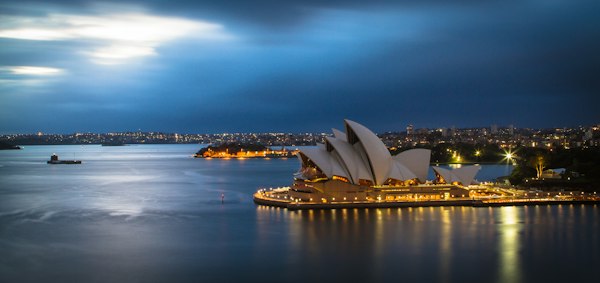
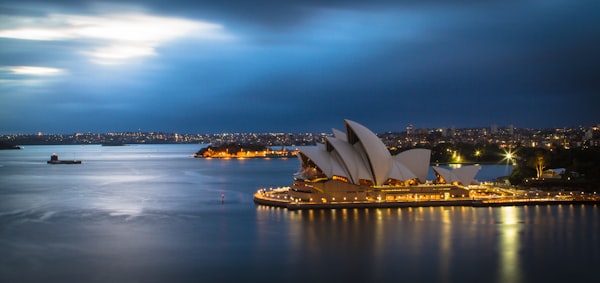
Kayak to secluded harbour coves at dawn. Walk the Bondi to Coogee coastal track. Hike Manly's harbour bushland to ancient Aboriginal sites.
 Snowy Mountains
Snowy Mountains & Kosciuszko
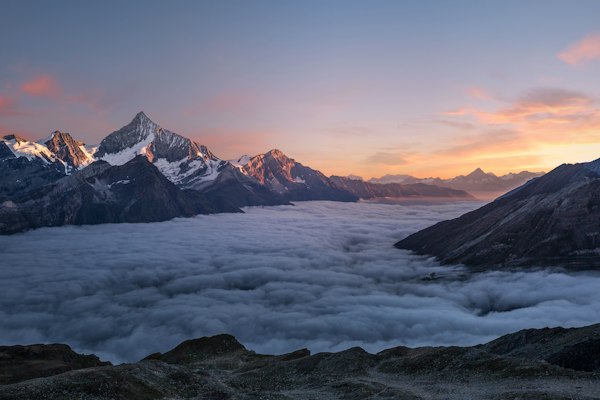
Australia's highest peak at 2,228m. Summer wildflower meadows are extraordinary. Winter delivers the continent's best alpine skiing at Thredbo and Perisher.
 South Coast
South Coast & Sapphire Coast
World's whitest sand at Jervis Bay. Kangaroos on beaches at Murramarang. Penguin and seal colonies at Montague Island. Quieter and wilder than the north.
 Hunter & North Coast
Hunter Valley & North Coast
Port Stephens dolphins, Stockton Bight sand dune adventures, Barrington Tops Gondwana rainforest, and a glass of Hunter Valley shiraz to finish.
"Within a single NSW day you can hike ancient sandstone gorges at sunrise, swim a secluded harbour cove at noon, and watch humpback whales breach from a coastal headland at dusk. No other Australian state packs so much into such accessible distance."
Best Times to Visit NSW
Wildflowers blanket the Blue Mountains. Whale migration peaks at coastal lookouts. Perfect hiking weather statewide. Book 6–8 weeks ahead for long weekends.
Beach season. Start mountain hikes before 8am to beat heat and storms. Ideal for harbour kayaking and coastal adventures. UV extreme — sun protection critical.
The best overall hiking season. Stable weather, stunning highland colours, fewer crowds. Whale watching begins in May. Most guides rate this as peak season.
Ski season in the Snowy Mountains. Crisp, clear Blue Mountains days with occasional snow dusting. Peak coastal whale watching. Pack warm layers for alpine areas.
Blue Mountains: 3–18°C (winter), 15–28°C (summer) · Sydney Coast: 8–17°C (winter), 18–26°C (summer) · Snowy Mountains: –5 to 12°C (winter), 10–22°C (summer)
Curated Day Trip Plans
Blue Mountains Classic
Royal Coast Experience
Sydney Harbour Paddle & Walk
Safety & Responsible Travel
Pre-Trip Planning
Check NSW National Parks alerts for closures, monitor BOM forecasts, download offline maps before you lose signal.
Bushfire Awareness
Check fire danger ratings daily. Total fire bans prohibit all outdoor cooking and fires. During elevated risk periods, consider coast or harbour activities instead.
Hydration & Nutrition
Carry 20% more water and food than your estimate. NSW trails can be longer in practice than on maps. Never rely on creek water without purification.
Tell Someone Your Plans
Register trip plans with a responsible contact — name, location, route, expected return time. Update them if you change plans. Carry a PLB in remote areas.
Coastal & Tidal Safety
Figure Eight Pools can be deadly in swell. Check conditions, tidal charts, and RNP warnings on the morning of your visit — conditions change within hours.
Wildlife Respect
Observe from 30+ metres, never feed or approach wildlife. Store all food securely at campsites. Report injured wildlife to WIRES: 1300 094 737.
Emergency Services: 000 | NSW National Parks: 1300 072 757 | WIRES Wildlife Rescue: 1300 094 737 | Surf Life Saving (water emergency): 000 | Weather: bom.gov.au
Leave No Trace
- Pack it in, pack it out: All rubbish, including food scraps and organic waste
- Stay on marked trails: Preventing erosion and protecting fragile ecosystems — especially in the Blue Mountains and RNP
- No fires: Use fuel stoves only; check ban status at NSW Rural Fire Service daily
- Protect water sources: Camp 50m from any waterway; use biodegradable soap only
- Cultural respect: Many NSW parks hold deep Aboriginal significance — follow all signage, do not touch or photograph sacred sites without permission
NSW Wildlife Encounters
Common Sightings Year-Round
Seasonal Highlights
- Humpback Whales (May–November): Coastal migration with peak viewing June–August (southbound) and September–November (northbound). Jervis Bay, Sydney headlands, and Cape Solander are prime spots
- Little Penguins: Colonies at Montague Island year-round — sunset viewing tours available from Narooma
- Australian Fur Seals: Montague Island year-round, large colony on accessible rocks
- Alpine Wildlife (summer): Mountain pygmy possums (rare), corroboree frogs, and alpine grassbirds in Kosciuszko during wildflower season
Featured NSW Tours by Cooee Tours
Our NSW guides have collectively covered thousands of kilometres across these trails. Every itinerary is built from direct field experience — not generic templates. Small groups, expert guiding, all logistics handled.
- Blue Mountains Explorer Tour — Full-day guided experience with Wentworth Falls, Three Sisters, Grand Canyon walk, and scenic lookouts. Lunch, park fees, and expert commentary included. From $159
- Sydney Harbour Kayak Adventure — Half-day paddle to secluded beaches and harbour islands. All equipment provided. No prior kayaking experience required. From $139
- Royal National Park Coastal Trek — Guided walk through Australia's oldest park with swimming stops, wildlife spotting, and gourmet picnic. Max 10 guests. From $169
- Hunter Valley Wine & Wilderness — Barrington Tops Gondwana rainforest walk combined with a cellar-door lunch at a heritage Hunter Valley estate. From $189
- South Coast Wildlife & Beaches — Whale watching (May–Nov), Jervis Bay kayaking, coastal rainforest, and Montague Island penguin colony. Expert naturalist guides. From $199
Wilderness First Aid Certified
Every guide, every tour
National Parks Permitted
Licensed for all operating areas
Small Groups (max 10–12)
For personalised experience and minimal impact
Ecotourism Australia Member
Certified sustainable tourism practices
Frequently Asked Questions
Autumn (March–May) and spring (September–November) offer the most comfortable hiking weather — temperatures 12–22°C, stable conditions, and fewer crowds than summer school holidays. Autumn brings spectacular foliage colour to the highlands and Blue Mountains villages.
Winter (June–August) delivers crisp, clear days with exceptional visibility and occasional snow dusting — spectacular for photography. Summer requires early morning starts to beat afternoon heat and electrical storms, but combines beautifully with coastal day trips.
Most day-use areas require only standard park entry fees: $8 per vehicle daily or $65 for an annual pass valid across all NSW national parks. The annual pass represents excellent value if you're spending two or more weeks in NSW.
Overnight camping, canyoning, abseiling, and certain remote areas require specific permits booked in advance through the NSW National Parks website. These sell out weeks ahead during peak seasons. Cooee Tours handles all permits and fees for guided experiences.
Absolutely. NSW offers some of Australia's most accessible trails. The Three Sisters Walk at Katoomba, Scenic World boardwalks, and the Bondi to Coogee coastal track are all suitable for most fitness levels including older travellers and those with limited mobility.
Our guides assess fitness levels and adjust routes and pacing accordingly. We offer tours specifically designed for active seniors, families with young children, and those new to bushwalking.
For standard periods, 2–4 weeks ahead is generally sufficient. For peak seasons — spring (September–November), autumn (March–May), school holidays, and long weekends — book 6–8 weeks in advance. The Blue Mountains Explorer and Sydney Harbour Kayak tours sell out fastest during these windows.
Last-minute availability sometimes exists — contact us directly to check current openings. Private group bookings require additional lead time, typically 4–8 weeks minimum.
Expect eastern grey kangaroos, echidnas, wombats, lyrebirds, kookaburras, yellow-tailed black cockatoos, and harbour dolphins year-round. Coastal tours from May–November offer humpback whale watching, with peak viewing June–August.
The Montague Island tour (Narooma) offers guaranteed little penguin and Australian fur seal sightings. Alpine areas in summer host rare corroboree frogs and mountain pygmy possums in certain locations. Always observe wildlife from respectful distances — never approach or feed them.
Many tours welcome children. The Blue Mountains Explorer suits ages 6+. Sydney Harbour Kayaking requires age 12+ with swimming ability. Royal National Park walks vary — some sections suit ages 8+, others require more experience.
We offer private family tours with customised pacing, shorter distances, and more frequent rest stops. Contact us to discuss your family's specific ages, fitness levels, and interests so we can recommend the best fit. Children under 16 must be accompanied by adults.
Safety is non-negotiable. If severe weather — electrical storms, extreme heat, high winds, or total fire ban conditions — makes the experience unsafe, we'll contact you 24 hours ahead when possible and offer a full refund or reschedule without penalty.
Light rain rarely cancels tours — we provide waterproof gear and adjust routes. Many NSW adventures are spectacular in overcast or mildly wet conditions, with fewer crowds and more dramatic scenery. We'll always be transparent about what we're working with.