



🗓️ Pack by Season
Australia's climate varies dramatically across its vast geography — and is opposite to the Northern Hemisphere. Here's what to adapt by season.
☀️ Summer (Dec–Feb)
- SPF 50+ sunscreen — Australia's UV is extreme
- Wide-brim hat and UV-rated sunglasses
- Light, breathable fabrics (linen, cotton, moisture-wicking)
- Insect repellent for tropical north QLD
- Swimwear and reef-safe sunscreen
- Light layer for strong air-conditioning indoors
🌤️ Winter (Jun–Aug)
- Warm layers for southern states (Melbourne, Tasmania)
- Light rain jacket and windbreaker
- Comfortable closed-toe walking shoes
- Still pack SPF 50+ — UV is strong year-round
- Swimwear still relevant (Gold Coast, QLD stays warm)
🧳 The 9 Essential Items

Comfort Essentials for Long Journeys
Australian adventures often mean long-haul flights (London to Sydney is 24+ hours), long coach rides, and extended road trips. Comfort preparation makes a significant difference to how you arrive.
Pack:
- Memory foam U-shaped neck pillow (supports sleeping upright)
- Eye mask and earplugs for light and noise
- Light scarf or merino wrap for chilly aircraft and coaches
- Jet lag remedy of choice — melatonin or natural alternatives
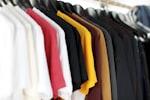
Lightweight, Layered Clothing
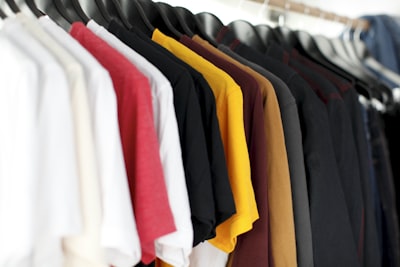
Australia's climate changes rapidly depending on region, altitude, and time of day. Versatile, layer-friendly outfits let you pack less while handling more conditions.
Pack:
- Breathable fabrics — cotton, linen, or moisture-wicking synthetics
- Light windbreaker or softshell for evenings and cooler areas
- Comfortable, broken-in walking shoes (you'll walk far more than expected)
- UPF-rated sun-protective clothing for extended outdoor days
On Cooee Tours' hinterland and wine tours, departures can be early and temperatures cool. A versatile bomber jacket or merino layer takes almost no luggage space and is used on almost every tour day.
💰 Budget estimate: AUD $100–200 for key pieces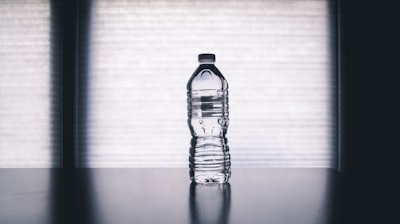
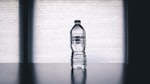
Reusable Water Bottle
Australia's tap water is safe, clean, and free everywhere — making a reusable bottle a straightforward win. Dehydration happens faster in Australia's dry heat than most visitors expect.
Why it matters:
- Aim for 2–3 litres daily (more during outdoor activities)
- Saves money — you'll never need to buy bottled water in cities
- Free refill stations are available in most public areas, parks, and shopping centres
- Single-use plastics are banned in most Australian states — reusable bottles are the norm
Travel Adaptor & Power Bank
Australia uses Type I outlets at 230V/50Hz — one of the less-common outlet types globally. Visitors from the US, UK, Europe, and most of Asia need a travel adaptor. Don't assume one is provided at accommodation.
Pack:
- Universal travel adaptor with Type I support (covers Australia and New Zealand)
- Portable power bank 10,000–20,000mAh — essential for full-day tours away from power
- Charging cables for all devices
- Camera battery backups if shooting heavily
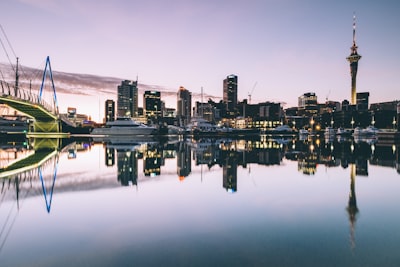
Swimwear & Microfibre Towel
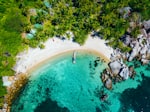
There's no shortage of swimming opportunities in Australia — from iconic surf beaches to secluded freshwater waterholes and national park rock pools. Always have swim gear accessible.
Pack:
- Quick-drying swimwear — bring two pairs so one is always dry
- Lightweight microfibre towel (takes up almost no space, dries fast)
- Waterproof dry bag for wet items
- Reef-safe sunscreen for coastal and reef areas (zinc oxide or titanium dioxide)
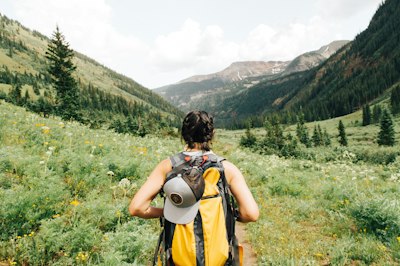
Daypack or Small Backpack
Keep your hands free and day-essentials accessible during tours, walks, and beach days. A well-organised daypack is one of the most-used items on any Cooee tour day.
Use it to carry:
- Water bottle, sunscreen, hat, and snacks
- Layers for changing weather and air-conditioned coaches
- Camera, phone, and charger
- Any purchases or souvenirs from day stops
Organisation boosters worth packing: a portable electronics organiser pouch (keeps charging cables untangled), a travel toiletry hanging bag (makes any bathroom usable as a shelf), and packing cubes — once you use them you won't pack without them.
💰 Budget estimate: AUD $50–120 for quality daypack
Smart Baggage Preparation
Avoid airport stress with smart baggage preparation before you leave home.
Essential baggage tools:
- Digital luggage scale — check weight at home, not at check-in
- Distinctive luggage tag (bright, recognisable at baggage claim)
- Packing cubes — transform a chaotic bag into a manageable system
- Vacuum storage bags for compressing bulky layers
Australian domestic flight weight limits:
- Checked baggage: Usually 23kg (Qantas, Virgin) — check budget airlines (Jetstar) carefully
- Carry-on: Usually 7kg — strictly enforced
- International: Varies by airline and class (23–30kg checked)

Basic First Aid Kit
You don't need a full medical kit — just essentials for minor issues that typically arise during active travel days.
Essentials:
- Band-aids and antiseptic wipes
- Pain relief — paracetamol and ibuprofen
- Anti-nausea medication (for winding hinterland roads)
- Antihistamines (for allergies and insect bites)
- Blister plasters — essential for walking tours
- Any personal prescription medications with enough supply

Copies of Important Documents
Digital copies are convenient, but paper backups are invaluable if your phone is lost, stolen, or dies at the wrong moment.
Copy and carry separately:
- Passport photo page — keep separate from your actual passport
- Visa/ETA confirmation (international visitors require Australian ETA or visa)
- Travel insurance policy and emergency contact numbers
- All booking confirmations — tours, flights, accommodation
- Credit/debit card numbers in case of loss or cancellation
Digital backup: Email copies to yourself, save to cloud storage (Google Drive), and share with a trusted family member who is not travelling with you.
🌿 Australia's Biosecurity Rules — What NOT to Pack
Australia is highly protective of its unique ecosystem. The border control is strict and non-declaration of prohibited items can result in substantial fines (up to AUD $2,664) or even prosecution.
You cannot bring most fresh food, seeds, plants, soil, muddy camping gear, or animal products into Australia. Commercially sealed, shelf-stable snacks are usually permitted but must still be declared. The simplest approach: eat or discard all food before arriving at Australian customs, and wash any muddy gear thoroughly before packing.
Ready to Experience Australia the Cooee Way?
Pack your bag and let our expert guides handle everything else. Small groups, local knowledge, and unforgettable Queensland experiences — Cooee Tours makes it simple.