

🌏 Why Travel for Sport?
There is nothing quite like being there. Watching a major event live — in the stadium, on the mountainside, or along the route — plugs you into a city's culture, its food, and a shared passion you simply can't get from the sofa. 2026 is an exceptional year for it, with two of sport's great quadrennial giants (the Winter Olympics and the FIFA World Cup) landing alongside the perennial classics.
Each of the five events below is genuinely unmissable — not for the sport alone, but for the spectacle and atmosphere around it. A packed World Cup stadium, the silence before a Masters putt, the roar as the Tour peloton flies past in seconds. Understanding that context turns attendance into something you remember for the rest of your life. We've laid them out month by month so you can plan a trip around them.
🎾 1. Australian Open Tennis
Australian Open — The Happy Slam (Melbourne, Australia)
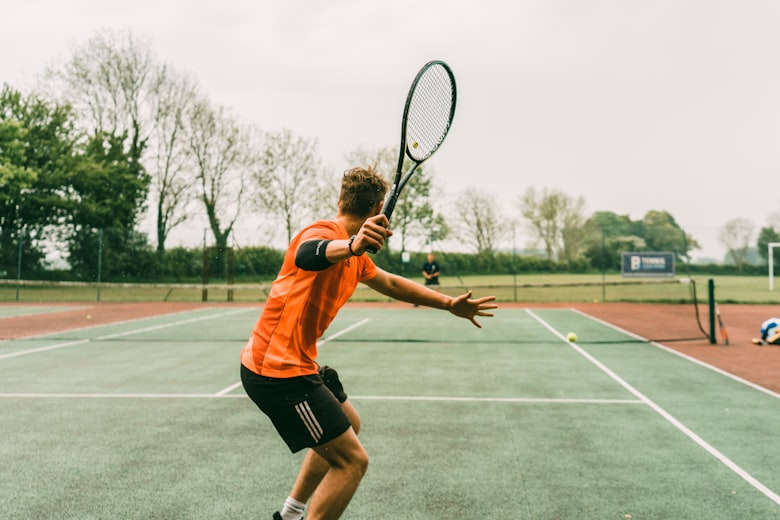
The Australian Open kicks off the international tennis season as the first of the four Grand Slams. Held at Melbourne Park over two weeks in January, it turns Melbourne into a global tennis hub — the sport's biggest stars, hundreds of thousands of fans, and a festival atmosphere that spills well beyond the courts into the city's bars and restaurants.
It's affectionately known as "The Happy Slam" — the most relaxed, fan-friendly major, with day matches under intense summer sun and electric night sessions running late into warm evenings. Retractable roofs keep play going whatever Melbourne's famously changeable weather does. (It's also the closest of these five to our own backyard — Cooee Tours is based in Australia.)
What to Know
Ground-pass tickets are extraordinary value — access to the outside courts where you can watch rising stars and champions within metres of the action. Evening sessions at Rod Laver Arena are the most atmospheric but need separate session tickets.
- Buy ground passes for the first week — outside-court access and the best value
- Book Rod Laver Arena night sessions separately, well in advance
- Stay near Melbourne Park or on a tram line into the city
- Build in time for Melbourne's laneways, coffee, and food scene
🏅 2. Winter Olympics — Milan-Cortina
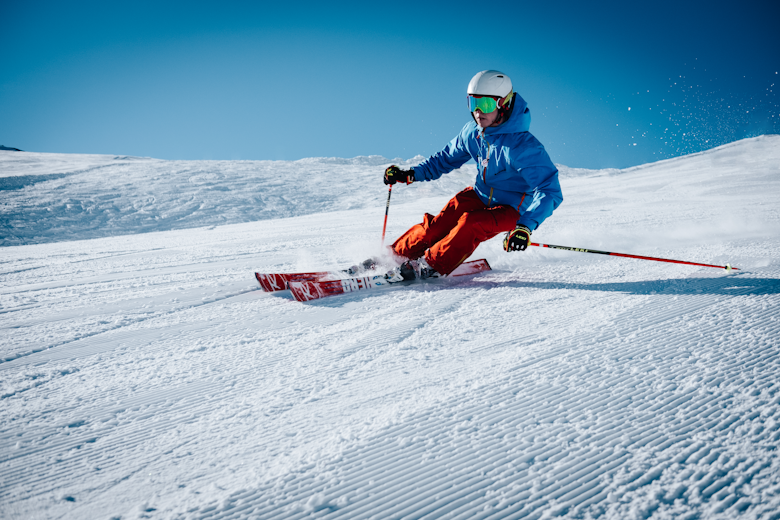
Milan-Cortina 2026 — The Winter Games Return to Italy
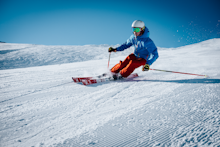
The XXV Olympic Winter Games run across northern Italy in February 2026, hosted jointly by Milan and the Dolomite resort of Cortina d'Ampezzo, with events spread through the Italian Alps. It's the first time Italy has hosted a Winter Olympics since Turin 2006, and the backdrop — Alpine peaks, historic mountain towns, and Milan's style — is spectacular.
Expect the full sweep of winter sport: alpine and cross-country skiing, ski jumping, snowboarding, figure skating, ice hockey, bobsled, and the rest, across iconic venues. The opening and closing ceremonies and the marquee finals are the hottest tickets.
What to Know
Venues are spread over a wide area, so pick a hub — Milan for ceremonies, ice events, and city life; Cortina or the mountain clusters for snow sports — and plan transport between them carefully. Alpine February is cold; dress in serious layers.
- Decide early whether your trip centres on Milan (city + ice) or the mountains (snow)
- Book accommodation as far ahead as possible — Alpine beds are limited
- Buy tickets only through the official Olympic ticketing channel
- Allow generous travel time between dispersed venues
⛳ 3. The Masters Golf

The Masters — Golf's Most Hallowed Week (Augusta, USA)
Each April, Augusta National in Georgia hosts the Masters — the most prestigious and atmospheric tournament in golf, and the only major played at the same course every year. The azaleas, the green jacket, Amen Corner, and the hushed reverence of the patrons make it as much a ritual as a competition.
Tickets to tournament rounds are famously hard to get (allocated by a public lottery months ahead), but practice-round access is more attainable and lets you walk the whole course. No phones are allowed on the grounds — part of what keeps the experience timeless.
What to Know
Apply for the ticket lottery well in advance, and consider the practice rounds for better odds and a more relaxed walk of the course. Augusta itself is small, so book accommodation and travel early around tournament week.
- Enter the official Masters ticket lottery the year before
- Target practice-round tickets for better availability and full-course access
- Book Augusta-area lodging far ahead — it's a small city in a big week
- Leave your phone behind — they're banned on the grounds
⚽ 4. FIFA World Cup 2026
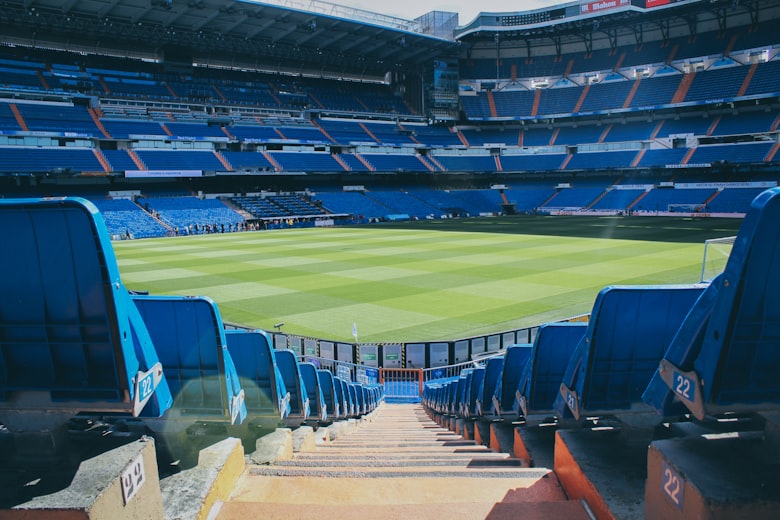
FIFA World Cup 2026 — The Biggest One Yet (USA, Canada & Mexico)
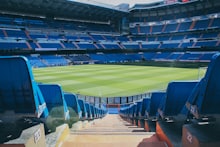
The 2026 FIFA World Cup is the largest in history — the first with 48 teams, co-hosted by the United States, Canada, and Mexico across 16 host cities, from June into mid-July. It's the planet's most-watched sporting event, and being in a host city when your team plays is unmatched.
With matches spread across three countries and a continent, this is a trip that rewards planning: pick a city or a cluster, follow a team, and soak up fan festivals, watch parties, and the carnival that surrounds every game.
What to Know
Match tickets are sold through FIFA's official platform, typically via application phases and resale — never third-party touts. Distances between host cities are huge, so build your itinerary around one region or one team's schedule.
- Buy tickets only through FIFA's official ticketing platform
- Pick a host-city cluster or follow one team rather than chasing all venues
- Book flights and accommodation early — host cities fill fast
- Check entry/visa requirements for the US, Canada, and Mexico
🚴 5. Tour de France
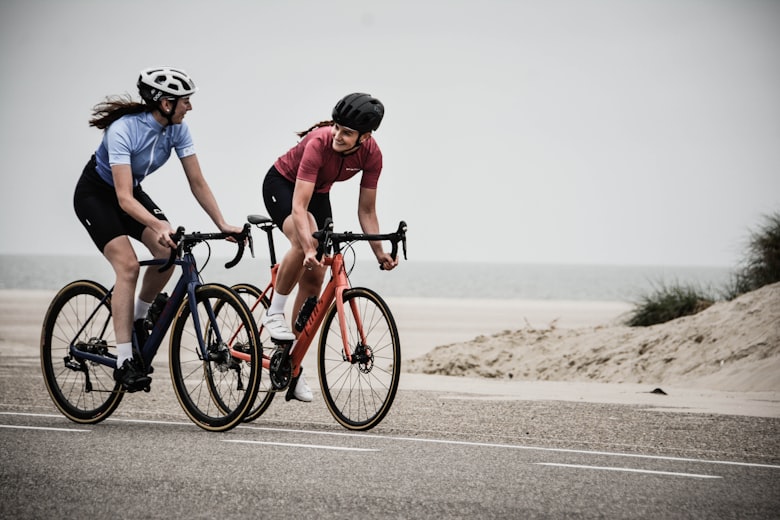
Tour de France — Three Weeks Across France
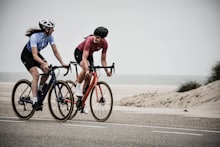
For three weeks each July, the Tour de France winds through mountains, vineyards, and villages before its famous finish in Paris. It's one of the few elite sporting events you can watch live for free — simply find a spot on the route and wait for the peloton to fly past in a blur of colour and noise.
The mountain stages in the Alps and Pyrenees are the most dramatic places to watch, with fans lining the climbs for hours. The publicity caravan, the team buses, and the roadside party make it a full day out wherever you stand.
What to Know
Roadside viewing is free, but the best spots — especially on the big climbs — fill from early morning. Check the official route, pick a stage, and arrive hours ahead. For the Paris finale or a mountain summit, paid grandstands and hospitality exist.
- Study the official route and choose a stage — a mountain finish for drama, a flat stage for the sprint
- Arrive early; roads close hours before the riders and reopen after
- Base yourself in a stage town and make a day of it
- Bring sun protection, water, and snacks — you'll wait a while for a fast finish
📅 Planning Your 2026 Sports Trip
2026's calendar spreads beautifully across the year, so you can build a trip around any of these. January opens with the Australian Open; February brings the Milan-Cortina Winter Olympics; April the Masters; and a packed June–July delivers the FIFA World Cup and the Tour de France almost back to back — you could realistically combine the latter two in one European-and-North-American summer.
The key consideration is timing. The Masters allocates tickets by public lottery a year ahead; Winter Olympics and World Cup tickets sell through official phased applications; Australian Open night sessions sell out. For the big-ticket events, applying through official channels early — or working with a reputable sports-travel specialist who holds verified ticket and hospitality access — is the only reliable route.
Teams at the 2026 FIFA World Cup
World Cup host cities across 3 countries
Length of a typical Tour de France
Major events sharply affect accommodation prices and availability in host cities. Book at least six months ahead — ideally twelve for the World Cup, Winter Olympics, and the Masters. And if your travels bring you to South East Queensland, Cooee Tours can handle the local logistics — transport, day tours, and itinerary coordination — so you can focus on the experience.
Planning Your 2026 Sports Trip?
Wherever the year's great events take you, plan early and book through official channels. And if you're in South East Queensland, Cooee Tours runs day tours and handles local logistics with expert local guides.