The Decision That Defines Your New Zealand Trip
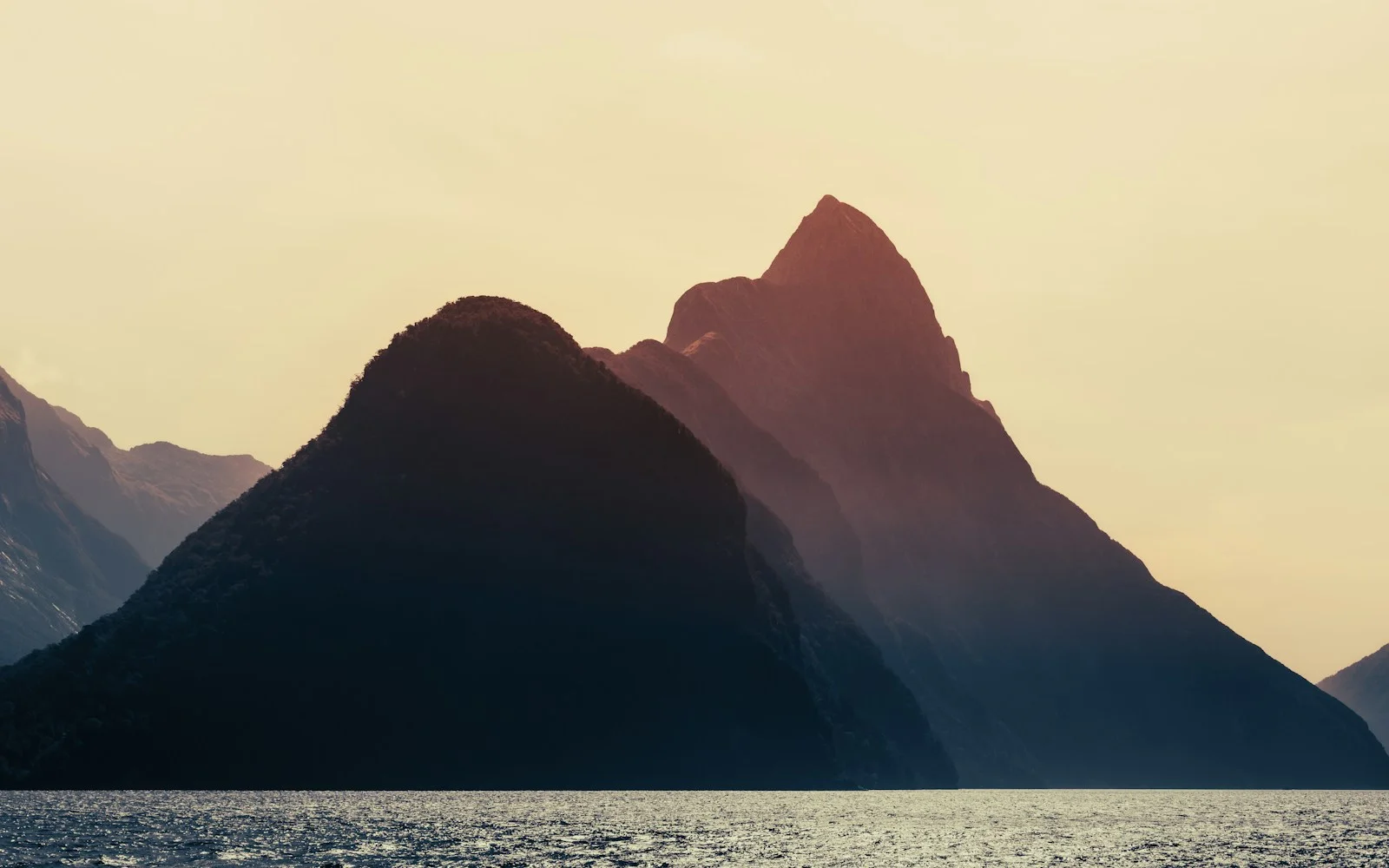
Milford Sound — Piopiotahi in te reo Māori — is the most visited natural attraction in New Zealand, and with good reason. The sheer granite walls of the fiord drop 1,200 metres directly into dark still water. Mitre Peak rises 1,692 metres from the surface. Stirling Falls plunges 151 metres in a single drop. It is one of the genuinely extraordinary places on Earth, and photographs do not prepare you for the scale of it.
The question most visitors face is not whether to go — go — but how. The options range from a full-day coach return from Queenstown (11–12 hours door-to-door, 2–3 hours on the water) to an overnight cruise that keeps you in the fiord as the last tourist boats depart and the silence becomes extraordinary. Each is a genuinely different experience, at a genuinely different price point. This guide gives you the honest comparison.
Quick Verdict
Day trip by coach — right for: budget-conscious travellers, those who don’t handle long drives well on their own, anyone who wants to check Milford Sound off the list efficiently. It is still Milford Sound.
Overnight cruise — right for: anyone for whom New Zealand is a once-in-a-decade trip, those who want to see what Milford looks like without 3,000 day visitors, people who find the coach-return idea exhausting. If you can book it, book it.
Full Comparison
| Factor | Coach Day Trip from Queenstown |
Fly‑Drive one‑way scenic flight |
Overnight Cruise depart Te Anau |
|---|---|---|---|
| Total day | 11–12 hrs door‑to‑door | 8–9 hrs total | 20+ hrs (overnight) |
| Time on water | 2–2.5 hrs | 2–2.5 hrs | 14+ hrs |
| Cost per person (AUD approx.) | current pricing | current pricing | current pricing |
| Crowds on the fiord | Busy (10 AM–5 PM) | Busy (same hours) | Quiet (evening & morning) |
| Sunrise & sunset in fiord | No | No | Yes — often extraordinary |
| Wildlife encounters | Good | Good | Best (fur seals, dolphins at dawn) |
| Driving fatigue | None (coach) | None (coach return) | Self-drive to Te Anau (2.5 hrs) |
| Homer Tunnel experience | Yes (coach) | One direction | Yes (self-drive both ways) |
| Book ahead needed | 2–4 weeks | 4–6 weeks | 3–6 months |
| Flexibility if weather bad | Tour runs regardless | Flight may cancel; reschedule needed | Cruise runs regardless; rain enhances waterfalls |
| Meals included | No (bring food or buy) | No | Yes (dinner, breakfast, some drinks) |
| Best for | Budget, efficiency | Scenery + efficiency | Once-in-a-decade trip |
Every Way to Get There
Depart Queenstown early (around 7 AM), coach to Te Anau, continue via the Homer Tunnel to Milford. Board a 2–2.5 hour cruise, then coach back — arriving Queenstown around 7–8 PM. The drive through the Homer Tunnel (a single-lane rock tunnel blasted through the Darran Mountains) is an experience in itself. Operators like Real Journeys and Jucy Cruise run the water component; coach companies provide the ground transfer.
Fly one way (Queenstown → Milford by light aircraft over the Southern Alps and Fiordland — about 45 minutes) and coach return, or vice versa. The scenic flight is extraordinary on a clear day — you cross the Main Divide at low altitude with mountain views that no road can match. On a cloudy day the flight is still impressive but misses the high peaks. Book with a flexible cancellation policy for the flight component.
Drive from Queenstown or Te Anau yourself, book an independent boat cruise, and return at your own pace. Depart Queenstown by 6:30 AM to reach Milford by 11 AM (the earliest cruises board). Te Anau is a far more practical base — only 2.5 hours from Milford. Drive via Te Anau–Milford Road, stop at Mirror Lakes and the Chasm. The road is sealed throughout; the Homer Tunnel section is narrow, steep and dramatic. Park at the Milford Sound wharf.
Board at Milford Sound wharf in the afternoon after the day boats leave. Spend the night anchored in the fiord — dinner, an evening kayak or tender ride along the cliff walls, and the silence that descends when 3,000 day visitors disappear. Wake to a dawn that most people never see. Cruise out to the Tasman Sea entrance at first light, return through the fiord, disembark late morning. Operates year-round; Real Journeys is the main operator.
What the Overnight Experience Actually Feels Like
By 5:30 PM, the last day boats have turned for the wharf. The coach convoys on SH94 are heading back through the Homer Tunnel. You are left in Piopiotahi with a few other overnight passengers and the fiord returns to what it was before tourism: enormous, ancient, alive with waterfalls and completely quiet. The overnight experience is not a luxury upgrade on the day trip — it is a categorically different encounter with the place.
Dinner is served aboard anchored in the fiord — typically a generous New Zealand buffet with local seafood. After dinner, crew lower a tender or zodiac for a close-up run to the waterfalls, close enough to get wet from the spray of Stirling Falls. Seals haul out on rocks at the waterline. Fiordland crested penguins occasionally appear in winter. The bioluminescence in the water on calm nights is extraordinary. Cabins range from basic twin berths to full double-bed cabins with windows; the upper-deck cabins with views of the cliff walls are worth the premium.
Morning is the revelation. Dawn in Milford Sound comes gold and slow, lighting the western wall of the fiord before anything else, then flooding the water. By 7 AM, fur seals are fishing at the surface. By 8 AM the cruise has moved to the Tasman Sea entrance — where the fiord meets open ocean — before returning through the length of Piopiotahi in morning light. You disembark around 10:30–11 AM, as the first day coaches are arriving.
The overnight cruise typically has 60–80 berths across two vessels. It is the most sought-after activity in Fiordland and books out 3–6 months ahead from December to March. If you’re planning a summer New Zealand trip, this is the first booking to make — before flights, before accommodation. Real Journeys (realjourneys.co.nz) is the primary operator. Scenic Hotel Group and Mitre Peak Cruises also run smaller overnight options.
What You’ll See
Mitre Peak
1,692m rising directly from the water. Reflected in the still fiord on calm mornings. The most recognisable image in New Zealand.
Stirling Falls
151m, year-round. Boats approach close enough to feel the spray. One of the most powerful single-drop waterfalls in Fiordland.
Bowen Falls
161m near the wharf. The most accessible waterfall from the boat boarding point. Runs regardless of weather.
Fur Seals
Permanent colony on rocks near the Tasman entrance. Often encountered mid-fiord swimming at speed. Present year-round.
Bottlenose Dolphins
Regular visitors to the fiord, particularly in calmer conditions. Bow-riding behaviour common. More frequent on overnight departures.
Temporary Waterfalls
After significant rain, hundreds of falls appear on cliff faces that are dry in fine weather. Rain makes Milford extraordinary.
Milford Sound receives approximately 7 metres of rain per year — among the highest rainfall totals of any permanently accessible place on Earth. Most visitors worry about rain. Experienced guides welcome it. After heavy rainfall, the cliff faces erupt with hundreds of temporary waterfalls visible nowhere else. The permanent falls (Stirling, Bowen) run year-round; the temporary falls only appear after rain. A wet day at Milford is often the more dramatic day. Dress for it, expect it, embrace it.
Milford Sound has some of the most intense sandfly populations in New Zealand. They are present year-round and worst in still, calm conditions. On the water, you are completely safe — sandflies do not venture far from shore. At the wharf and car park they are ferocious. Apply DEET-based repellent before leaving the boat. Long sleeves help. Do not stand still on land any longer than necessary. The overnight cruise dramatically reduces your land time and therefore sandfly exposure.
Getting There & Staying Nearby
There is no accommodation at Milford Sound itself beyond the overnight cruise and Milford Lodge (book very far ahead). Te Anau is the practical base for Fiordland — a genuine small town with good accommodation, restaurants and shops, 2.5 hours from Milford. The road from Te Anau to Milford (SH94) is one of the great scenic drives in New Zealand — passing Mirror Lakes, the Eglinton Valley, the Avenue of the Disappearing Mountain, and the Homer Tunnel. Allow 2.5–3 hours to drive it properly with stops.
The Homer Tunnel is a single-lane unlined rock tunnel, 1,270 metres long, descending steeply from the Hollyford Valley to the Cleddau Valley. Traffic is controlled by lights at each end. The tunnel itself is dark, wet, and extraordinary — the walls drip with water and the road surface is rough. Queue times of 20–40 minutes are common at peak times. Build this into your schedule.
Consider Doubtful Sound Instead
Doubtful Sound is Fiordland’s best-kept secret. It is three times longer than Milford, carries a tiny fraction of the visitors, and requires a boat crossing of Lake Manapouri and a bus over the Wilmot Pass just to reach it — which is exactly why most people don’t go. The overnight experience at Doubtful is considered by many Fiordland veterans to be even more special than Milford overnight. If the Milford overnight is sold out, or if you want the genuine deep-wilderness experience without the crowds, Doubtful Sound should be your choice. Operated by Real Journeys from Manapouri (30 min from Te Anau).
Frequently Asked Questions
Ready to plan the day?
You know where you want to go — here is what there is to see and do there, and the tours that take you.
Milford SoundMilford Sound & Fiordland