❄ Region Guide · Norway · Sweden · Denmark · Finland · Iceland

Fjords, Forests
& the Light
That Stops You

Five countries at the top of the world. Fjords that cut 200 kilometres into the continent. A light phenomenon that ten thousand years of people have failed to adequately describe. Forests that go on longer than you can believe. Design that has changed how the world makes things. The Nordic countries reward the traveller who has run out of easy answers.

5
Countries
~24hrs
Brisbane to Oslo/Copenhagen
90 days
Schengen Visa-Free (AUS)
204km
Sognefjord — Longest Fjord
24hrs
Midnight Sun (Jun–Jul)
🛂
Entry
Schengen Visa-Free90 days in 180 · AUS passport
💲
Currencies
NOK · SEK · DKKFinland & Iceland: EUR & ISK
Gateways
Copenhagen · OsloAlso Stockholm & Helsinki
Aurora Season
Sep – MarchKP ≥3 needed for visibility
🌞
Midnight Sun
May – JulyAbove Arctic Circle
🌙
Polar Night
Nov – JanNo sunrise in far north
About the Nordic Countries

Five Countries,
One Extraordinary Latitude

The Nordic countries — Norway, Sweden, Denmark, Finland, and Iceland — share a latitude and a cultural heritage that unites them across five distinct national identities. All five are consistently ranked in the top ten of global indices for quality of life, environmental sustainability, press freedom, and gender equality. All five have design cultures that have shaped how the 20th century imagined its furniture, architecture, and public spaces. All five have landscapes of extraordinary character. And all five reward the kind of slow, attentive travel that rushes past too quickly in more obviously dramatic destinations.

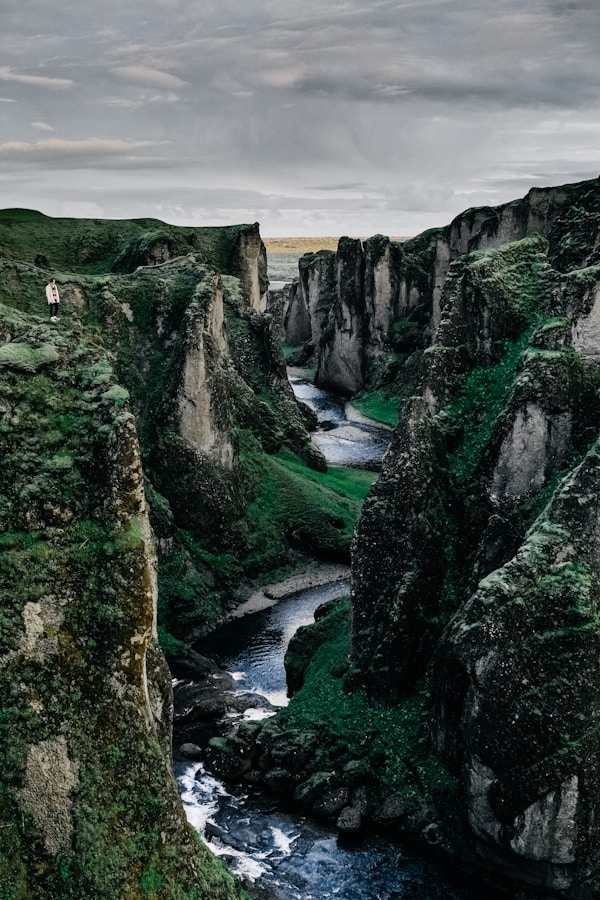
The defining physical geography of the Nordic region is water and light. The fjords — Norway’s most recognisable contribution to the world’s geographical imagination — are glacially carved valleys flooded by the sea: walls of sheer rock rising hundreds of metres above still, dark water for distances that make cities feel briefly irrelevant. The light — the Arctic’s extreme seasonal oscillation between the midnight sun of midsummer (when the sun does not set for weeks above the Arctic Circle) and the polar night of midwinter (when it does not rise) — is the region’s most powerful travel modifier. No other populated region on earth experiences such dramatic light variation, and no other region has built such a distinctive cultural relationship with darkness and luminosity.

For Australian travellers, the Nordic countries represent one of the genuinely more complex logistical challenges in world travel — the distances from Australia are long, the costs are among the highest in the world, and the extreme seasonality means that what you will see and experience depends enormously on when you go. A visit in July (midnight sun, hiking in full light, open-air culture at its most animated) is a fundamentally different trip from a visit in February (the Northern Lights, the silence of snow, the architecture of hygge). Both are magnificent. They require separate planning frameworks entirely.

🏈 Nordic Region at a Glance
  • Norway: 385,000 km², 5.5 million people — home to 1,190 fjords, 29,000 islands, and the world’s most expensive country by consumer prices
  • Sweden: 450,000 km², 10.5 million people — 50% forested, 95,700 lakes, the largest Nordic country
  • Denmark: 43,000 km², 5.9 million people — the most accessible Nordic gateway; Copenhagen consistently ranks in the world’s top food cities
  • Finland: 338,000 km², 5.5 million people — 188,000 lakes, 75% forest, the happiest country on earth (UN World Happiness Report, 7 consecutive years to 2024)
  • Iceland: 103,000 km², 370,000 people — geologically the most active landmass on earth, the Northern Lights and midnight sun both available in the same country at different times
  • Schengen zone: Norway, Sweden, Denmark, Finland — visa-free for Australian passport-holders for 90 days in any 180-day period. Iceland is EEA (same Schengen rules apply)
  • Northern Lights season: September–March, requiring clear skies and a KP index of 3 or above. The further north, the lower the KP threshold needed for visibility
  • New Nordic cuisine: The 2000s Copenhagen restaurant scene (Noma, Geranium, Alchemist) triggered the most consequential shift in world cuisine since nouvelle cuisine in 1970s France
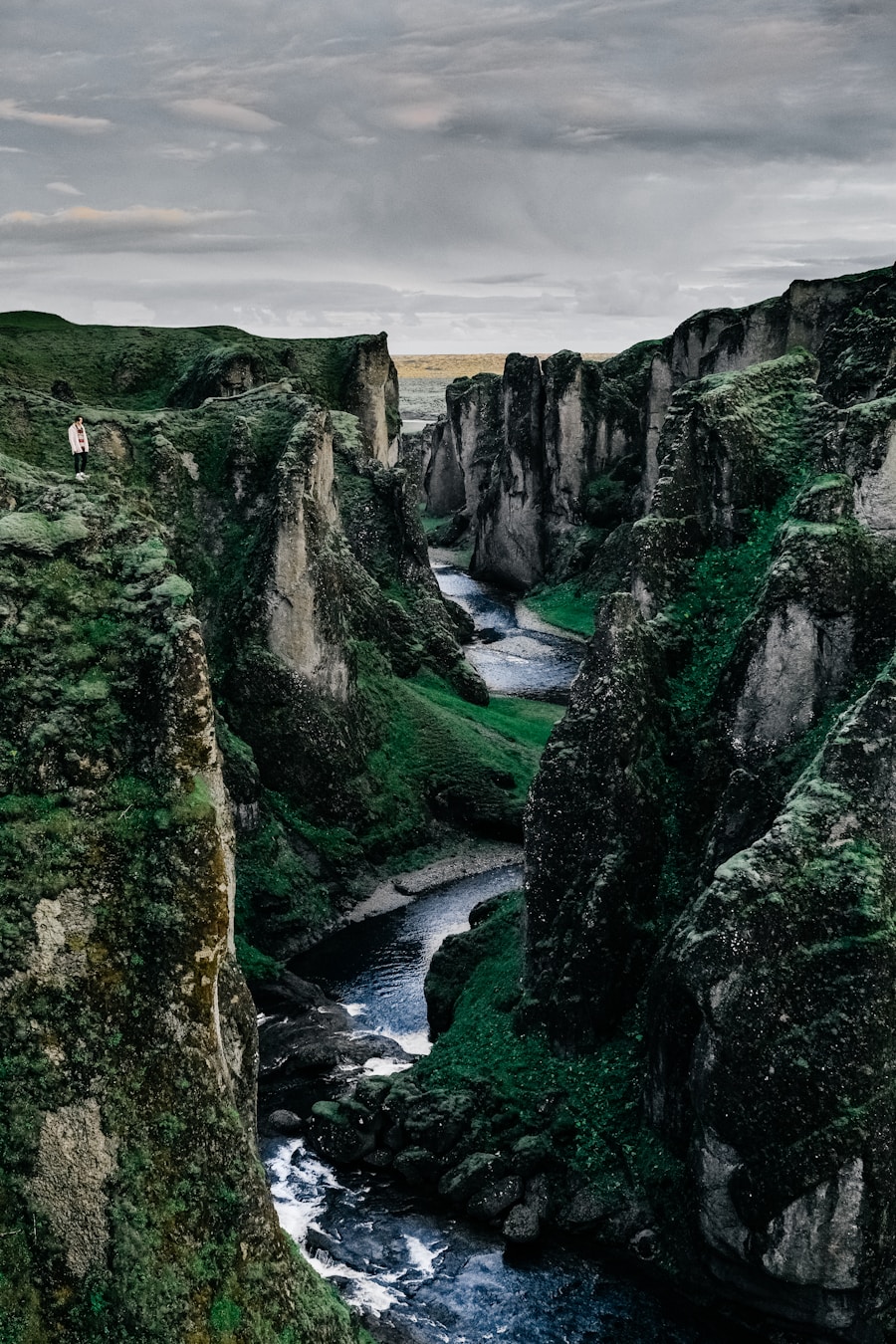
Must-See

Nordic Region’s Essential Destinations

From Copenhagen’s world-defining restaurant scene to the Sognefjord’s 204km of vertical silence. These are the destinations that most consistently justify the long flight from Australia.

Norway fjord Sognefjord mountains water reflection turquoise
🏆 UNESCO World Heritage · 204km

Sognefjord, Norway

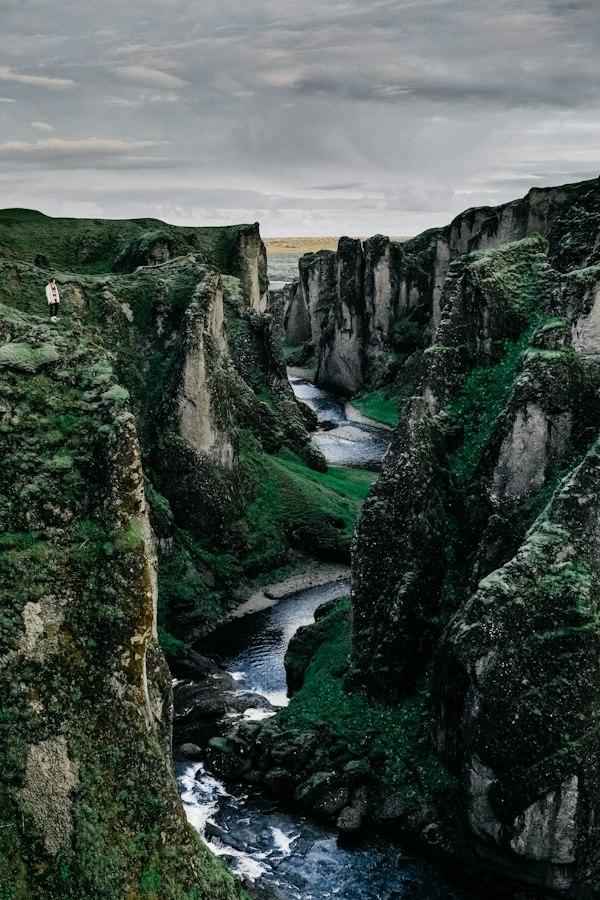
The Sognefjord is the longest and deepest fjord in Norway — 204km inland from the coast, 1,308m at its deepest point, with sheer walls rising 1,000m above the water on both sides. The Nærøyfjord — a 17km-long branch of the Sognefjord, UNESCO World Heritage-listed alongside Geirangerfjord — is so narrow at its head (250m wide) that the water is still and the reflection of the walls creates an experience of vertical doubling that makes photographs unreliable witnesses. The Flåm Railway (a 20km rack railway descending 864m from the mountain plateau to the fjord — consistently rated one of the world’s most scenic train journeys) connects the plateau to the fjord village of Flåm. Bergen — the historic Hanseatic port city, the gateway to the fjords, with the Bryggen wharf quarter and the fish market — is 2.5 hours from Flåm by boat.

Western Norway · Bergen Gateway · 5–7 days to do justice
★ 5.0
Copenhagen Nyhavn colourful waterfront Denmark canal boats
Food Capital · Design

Copenhagen, Denmark

Denmark · CPH Airport · 3–4 nights
★ 4.9
Iceland aurora borealis Northern Lights geysir landscape volcanic
Aurora · Ring Road

Iceland — The Ring Road

Iceland · Reykjavík Gateway · 7–10 days
★ 4.9
Stockholm Sweden archipelago old town Gamla Stan waterfront
Archipelago · Design

Stockholm, Sweden

Sweden · ARN Airport · 3–4 nights
★ 4.8
Tromsø Norway Northern Lights arctic city Norway winter
Aurora Capital · Arctic

Tromsø, Norway

Arctic Norway · Above 69°N · 3–5 nights
★ 4.9
Finnish Lapland sauna snow reindeer forest lake Finland winter
Santa’s Lapland · Saunas

Finnish Lapland

Finland · Rovaniemi Arctic Circle · 3–5 nights
★ 4.8
Five Nations

Norway, Sweden, Denmark,
Finland & Iceland

Five distinct countries, each with its own character and entry logic for Australian travellers. Here is how to think about each one.

Norway fjord Bergen Bryggen waterfront mountain
🇳🇴
Schengen Visa-Free · 90 Days
Norway

Norway is the Nordic country with the most dramatic physical geography and the highest prices — the two are not unrelated. The fjords (Sognefjord, Hardangerfjord, Geirangerfjord, Lysefjord) are the country’s defining contribution to the world’s geographical imagination. Bergen — the UNESCO-listed Hanseatic port, the fjord gateway, and a city of genuine character — is the best Norwegian base. Oslo (the capital, world-class museums including the National Museum with Munch’s The Scream, the Viking Ship Museum, and the new Munch Museum) is the cultural anchor. The Lofoten Islands (above the Arctic Circle, red fishing huts on stilts above still water, one of the most beautiful landscapes in Europe) reward the visitor with time to get there. Norway is expensive by global standards — budget NOK 1,200–2,000 (A$170–280) per person per day for accommodation and food in the fjord regions.

BergenOsloFlåmTromsøLofotenÅlesund
Norway Travel Guide →
Sweden Stockholm archipelago summer design Gamla Stan
🇸🇪
Schengen Visa-Free · 90 Days
Sweden

Sweden is the Nordic country with the greatest urban-wilderness contrast — Stockholm (built across 14 islands where Lake Mälaren meets the Baltic, a city of extraordinary beauty and sophistication) sits within 2 hours of a boreal forest that extends for 2,000km northward. The Stockholm Archipelago (30,000 islands accessible by ferry from the city — a summer kayaking and sailing culture of genuine splendour) is Sweden’s finest accessible nature. Gothenburg (the west coast, the fish market, the Michelin restaurant scene) and Malmö (the bridge to Copenhagen, the multicultural food scene) are the secondary cities. Swedish design — from Ikea to Volvo to the Vasa Museum’s extraordinary 17th-century warship to the Nobel Prize ceremony — permeates everything. The Swedish summer (June–August) is celebrated with a fervour born of long winters; midsommar celebrations in the countryside are among the most genuinely festive cultural events in Europe.

StockholmGothenburgMalmöVisbyKiruna
Sweden Travel Guide →
Copenhagen Denmark Nyhavn Tivoli cycling bicycle food scene
🇩🇰
Schengen Visa-Free · 90 Days
Denmark

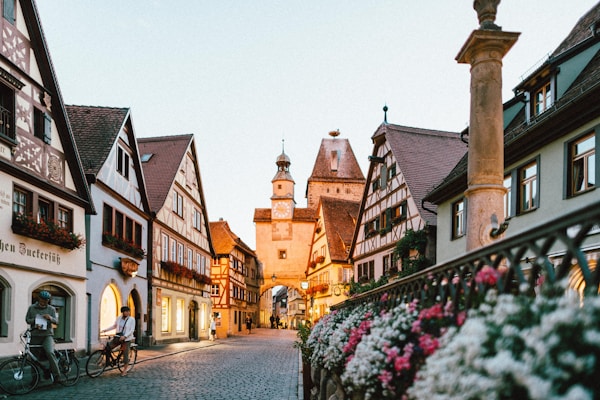
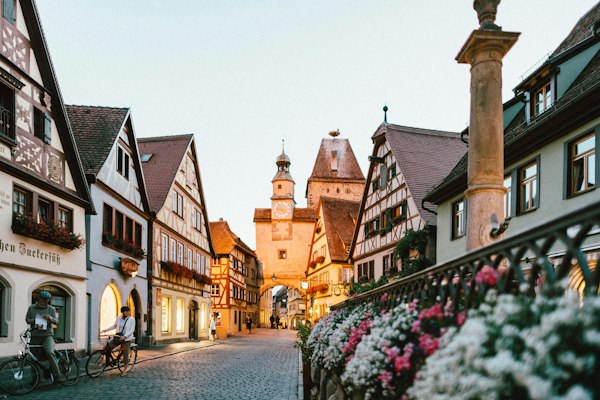
Denmark is the most accessible and in many ways the most immediately rewarding of the Nordic countries — Copenhagen is well-connected by flight from Australia (via Dubai, Frankfurt, or London), the country is compact enough to understand in a short visit, and the capital is simply one of the finest cities in the world. The Copenhagen food scene is globally transformative: Noma (closed in 2024 after 20 years — now a food research lab; René Redzepi’s influence on world cuisine was and remains enormous), Geranium (three Michelin stars, among the world’s top five restaurants), Alchemist (the most formally ambitious dining experience in Europe). The Tivoli Gardens — the original amusement park, opened 1843, the inspiration for Walt Disney’s theme parks — is in the centre of the city. Nyhavn (the harbour canal of coloured townhouses — one of the most photographed streetscapes in Europe). The Danish cycling culture (Copenhagen has more bicycles than people; the city’s cycling infrastructure is the world’s most developed) is genuinely extraordinary to observe and participate in.

CopenhagenAarhusOdenseSkagen
Denmark Travel Guide →
Finland Helsinki design sauna lakes forest archipelago
🇫🇮
Schengen Visa-Free · 90 Days
Finland

Finland is the Nordic country most often underestimated by travellers — and most often cited by those who visit as having exceeded expectations most dramatically. Helsinki (the capital — a compact, architecturally confident city of Art Nouveau, functionalist, and contemporary architecture, with a market square opening onto the sea and a design culture that has produced Arabia ceramics, Marimekko textiles, Nokia, and the sauna as a global export) is the gateway. The Finnish lake district (188,000 lakes — 10% of the country’s area is water — accessible from Tampere, Tampere, or Lappeenranta) is Finland’s defining landscape. Finnish Lapland (Rovaniemi — the official hometown of Santa Claus, straddling the Arctic Circle, with reindeer herding, husky safaris, Northern Lights, and Finland’s most spectacular midnight sun) is the Arctic experience at its most accessible and most theatrical. The sauna: Finland has 3.3 million saunas for 5.5 million people; it is a constitutional right, a social institution, and the best way to understand what the Finnish relationship with heat, cold, and silence actually feels like.

HelsinkiRovaniemiTampereTurkuLevi
Finland Travel Guide →
Iceland Reykjavik aurora borealis Golden Circle geysir waterfall Ring Road
🇮🇸
EEA · Visa-Free 90 Days · ISK Currency
Iceland

Iceland is the world’s most geologically active landmass — built on the Mid-Atlantic Ridge, where the North American and Eurasian tectonic plates pull apart at 2.5cm per year, fuelling constant volcanic and geothermal activity. The Ring Road (Route 1 — 1,332km around the entire country, completable in 7–10 days) is the world’s finest circumnavigation drive: the Golden Circle (Geysir hot spring field, Gullf oss waterfall, Thingvellir National Park — the site of the world’s first parliament in 930 AD), Skaftafell glaciers, Jökulsárlón glacier lagoon (icebergs calving directly into the sea — the most extraordinary drive-to landscape in Europe), and the Westfjords (the most remote and dramatic fjord landscape in Iceland). Reykjavík (the world’s northernmost capital — a city of 130,000 with a world-class music scene, a geothermal swimming pool culture, and the Harpa Concert Hall on the harbour) is the base. Iceland’s Iceland Comprehensive Guide has been published separately on this site; see below.

ReykjavíkRing RoadGolden CircleWestfjordsAkureyri
Iceland Travel Guide →
The Aurora Borealis

Northern Lights — The Complete Guide

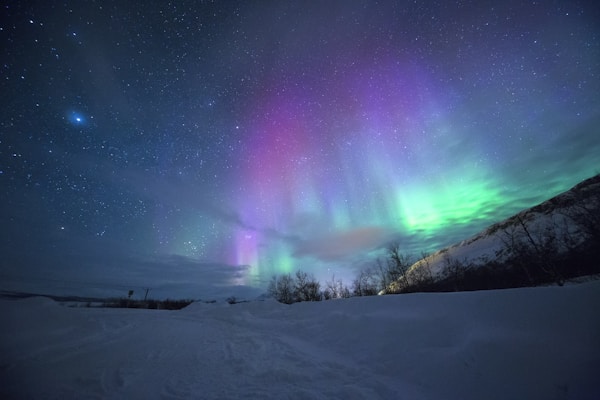
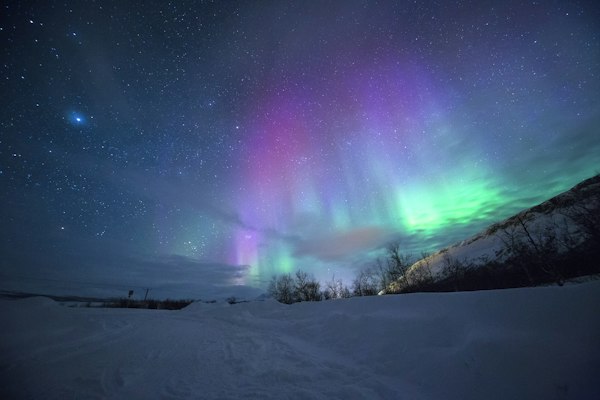
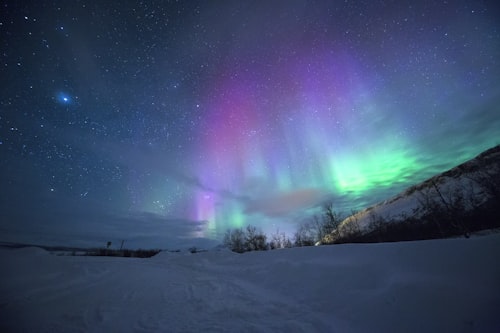
The Northern Lights (Aurora Borealis) are charged solar particles colliding with atmospheric gases at altitudes of 100–300km, creating light. The science is straightforward. The experience is not. Here is everything needed to see them properly.

Tromsø Norway Northern Lights aurora borealis green sky
🇳🇴 Above 69°N · Arctic Norway
Tromsø, Norway

Tromsø is the world’s most reliable Northern Lights destination — a city of 77,000 at 69.6°N latitude (350km north of the Arctic Circle), with an airport, regular flights from Oslo (1.5hrs), excellent infrastructure, and more dedicated aurora tour operators per capita than any city on earth. The aurora oval — the magnetic belt where Northern Lights activity is most concentrated — passes directly over Tromsø. Aurora seasons: late September through late March, with October and February the most reliable months (avoiding the midnight sun of summer and the shortest days of December). The city itself is beautiful — the Arctic Cathedral (a striking geometric titanium structure), the cable car to Mount Storsteinen for panoramic views, and a restaurant scene that has discovered what to do with Arctic char, reindeer, and king crab.

KP needed:
1
2
3
4
5
KP 1–2 is sufficient to see aurora from Tromsø on a clear night — lower threshold than most aurora destinations because of its position within the oval. Stay a minimum of 4–5 nights to statistically guarantee at least one clear-sky aurora event. Take the guided aurora chase tour (NOK 900–1,400) at least once — the guides drive to locations where the cloud has broken.
Finnish Lapland Rovaniemi aurora borealis snow forest lake reflection
🇫🇮 66.5°N · Arctic Circle, Finland
Rovaniemi & Levi, Finland

Finnish Lapland — accessible from Rovaniemi (the official hometown of Santa Claus, directly on the Arctic Circle, 1hr from Helsinki by air) — offers the Northern Lights in combination with the full Finnish winter experience: reindeer safaris, husky sled tours, snowmobile expeditions, wilderness sauna sessions followed by snow rolling, and glass-roofed Aurora Cabins (accommodation designed specifically for Northern Lights viewing without leaving your bed). The aurora cabins — igloo-shaped glass-domed suites where you lie watching the sky — have become one of Finland’s defining luxury accommodation forms. The most famous: Kakslauttanen Arctic Resort (the original, 65km from Ivalo Airport) and the Apukés Wilderness Resort near Saariselkä. Finnish Lapland’s continental climate means clearer skies (on average) than coastal Norway, though the auroras are no less spectacular.

KP needed:
1
2
3
4
5
The glass Aurora Cabins at Kakslauttanen Arctic Resort book out 8–12 months ahead for the peak aurora months (January–March). A workaround: self-drive from Rovaniemi to Saariselkä (2.5hrs north), where several smaller operators have glass cabins at lower prices with shorter booking windows.
Iceland Reykjavik Northern Lights aurora borealis green purple sky volcano
🇮🇸 64°N · Iceland (Year-round Geology)
Iceland — Aurora + Everything Else

Iceland is at 64°N — lower latitude than Tromsø and Finnish Lapland, requiring a slightly higher KP index for reliable aurora viewing — but offers the Northern Lights in combination with a geological landscape that has no equivalent on earth. The experience of watching the aurora from the Thingvellir rift valley (where the North American and Eurasian plates have separated over millennia — you can walk between the two continents in a canyon of solid basalt), from a geothermal beach of black sand, or from beside a glacier lagoon with floating icebergs is categorically different from viewing them from a Norwegian city or a Finnish forest cabin. Iceland’s darkness is also extreme in winter (Reykjavík has only 4–5 hours of daylight in December) — which extends the aurora viewing window significantly. The aurora forecast app (vedur.is — the Icelandic Meteorological Office’s official app) is the most accurate available for Iceland-specific aurora predictions.

KP needed:
1
2
3
4
5
In Iceland, drive away from Reykjavík’s light pollution — 30 minutes east on the Ring Road or south toward Selfoss — on any forecast KP 4+ night with clear skies. The aurora in Iceland is often best seen from the Thingvellir National Park (40 min from Reykjavík) where the rift valley removes urban light from the northern horizon entirely.
Svalbard Longyearbyen Norway High Arctic Northern Lights polar bears
🇳🇴 78°N · Svalbard, Norway — Ultimate Arctic
Svalbard — The Ultimate Aurora Location

Svalbard — the Norwegian archipelago at 78°N, midway between mainland Norway and the North Pole — is the highest-latitude permanently inhabited settlement on earth and the most extreme aurora viewing location accessible by commercial flight. The polar night at Svalbard lasts from late October to mid-February — complete darkness 24 hours a day — meaning any clear period during those months offers aurora viewing regardless of time. The aurora oval sits directly overhead. The settlement of Longyearbyen (the world’s northernmost city, 2,500 people, polar bears outnumber humans on the archipelago) has a handful of exceptional hotels and aurora tour operators who use snowmobiles to reach remote dark-sky locations. Flights: Oslo to Longyearbyen (LYR) daily with Norwegian Air and SAS, 3 hours. No visa required for Australian citizens (Svalbard has unique non-military zone status open to all nationalities).

KP needed:
1
2
3
4
5
Svalbard in February: polar night ending (the sun returns around February 15), aurora still visible, and the dramatic blue light of late polar winter on the snowy mountains — the most beautiful light in the Arctic. The Svalbard Museum and the coal-mining ghost town of Pyramiden (Soviet-era abandoned settlement, accessible by snowmobile or boat) round out the most extraordinary short break in the Nordic region.
Abisko Sweden aurora borealis Sweden Lapland clear sky dark sky
🇸🇪 68°N · Swedish Lapland
Abisko, Sweden

Abisko National Park in northern Sweden — accessible by the Arctic Circle Train from Stockholm or fly to Kiruna (1.5hrs from Stockholm, then 1hr drive) — has the clearest skies of any aurora location in the Nordic region. The Lake Torneträsk’s unique microclimate creates a natural wind pattern that sweeps cloud away with unusual frequency — Abisko’s aurora visibility rate is statistically the highest of any location in Scandinavia. The Aurora Sky Station (a cable car-accessed observatory and restaurant at 900m, operated November–March — book well ahead) provides elevated, heated viewing above the cloud line on overcast nights. The ICEHOTEL in Järkkvikärä (30min from Kiruna — the world’s original ice hotel, rebuilt annually from Torne River ice, a genuine architectural marvel) is the Nordic accommodation landmark. A bed in the cold rooms (−5°C — sleeping bag provided) is NZD/AUD $450–900/night.

KP needed:
1
2
3
4
5
The ICEHOTEL (Jukkasjärvi) books out its cold room accommodation 6–9 months ahead for January–March peak aurora season. The warm suites (heated, adjacent to the ice building) are slightly easier to book and still give full access to the ice rooms and aurora viewing. The hotel’s bar (the original ice bar, rebuilt each winter) serves drinks in glasses carved from Torne River ice.
Northern Lights photography tips camera DSLR long exposure aurora green
📷 Aurora Photography · All Locations
How to Photograph the Northern Lights

Aurora photography requires a camera with full manual control (DSLR, mirrorless, or modern phone with manual camera mode), a wide-angle lens (14–24mm is ideal), and a tripod. Standard settings: ISO 1600–3200, aperture as wide as possible (f/1.8–2.8), shutter speed 5–20 seconds (shorter for faster-moving aurora, longer for faint aurora). Focus manually on infinity or use a bright star to confirm sharp focus before the aurora appears. A remote shutter release eliminates camera shake. The strongest aurora displays (KP 5+) move fast enough that 3–5 second exposures capture the vertical pillars and movement. Phone photography: modern iPhone 15 Pro and Google Pixel 8+ in Night Mode can capture faint aurora; for strong displays, they approach DSLR quality in good conditions.

Apps: Space Weather Live · My Aurora Forecast · vedur.is (Iceland)
The single most useful aurora tip: download Space Weather Live or My Aurora Forecast before departure and enable notifications for KP 3+ events. On the night of your best forecast, be outside and dark-adapted (eyes adjusted to darkness — no phone screen) 30 minutes before the predicted peak. The aurora’s first appearance is often faint green — invisible to the unadapted eye. The camera captures it; the eyes confirm it; then it intensifies.
Norway’s Greatest Landform

Norway’s Fjords — The Essential Guide

Norway has 1,190 fjords. These four are the ones that justify the flight from Australia — each presenting a different character of the same essential phenomenon: the sea where the glacier was.

Sognefjord Norway longest deepest fjord mountains reflection
🇳🇴 UNESCO World Heritage · Western Norway
Sognefjord & the Nærøyfjord

The Sognefjord is the longest and deepest fjord in Norway and the second longest in the world — 204km from the coast to its inland end at Skjolden, 1,308m deep at its maximum, with walls rising 1,700m above sea level on the northern shore. The branching Nærøyfjord (UNESCO World Heritage-listed) is the visual climax: only 250m wide at its narrowest point, completely still water between walls that rise 1,000m on both sides, a 17km passage that takes approximately 90 minutes by ferry in complete, reverential quiet. The Flåm Railway — a 20km rack railway descending 864m from Myrdal (on the Bergen–Oslo main line) to Flåm at the fjord’s edge — is routinely listed as one of the world’s top ten train journeys: waterfalls beside the tracks, tunnels through solid granite, the fjord appearing below as you descend. The standard Sognefjord circuit (Bergen → Gudvangen by boat → Voss by bus → Myrdal by train → Flåm by Flåmsbana → Bergen by boat) is the most efficient 2-day introduction to the Norwegian fjord world.

204km
Length
1,308m
Depth
250m
Nærøyfjord width
2.5hrs
From Bergen
The Norway in a Nutshell tour (fjordnorway.com — a pre-booked circuit of Bergen, the Flåmsbana, the Nærøyfjord ferry, and return — from NOK 1,850 per person) is the single most efficient day-trip or overnight introduction to the Norwegian fjord world. It can be done as a long day from Bergen or extended to 2 days with a night at Flåm or Undredal. Book 2–4 weeks ahead in summer.
Geirangerfjord Norway UNESCO waterfalls Seven Sisters cruise ships
🇳🇴 UNESCO World Heritage · Møre og Romsdal
Geirangerfjord

Geirangerfjord — 15km long, a branch of the Sunnylvsfjord — is Norway’s most dramatic single fjord vista and the one most cruise ships visit, making it simultaneously the most spectacular and most visited fjord in the country. The Seven Sisters waterfall (a cascade of seven parallel falls, 250m high, tumbling from the plateau directly into the fjord — visible from the ferry and from the village of Geiranger below) and the Suitor waterfall opposite (a single fall, named as the “suitor” trying to offer the Seven Sisters flowers — a piece of folklore attached to a geological accident) are the defining visual moments. The Ørnesvingen (Eagle Road — 11 hairpin bends ascending 620m from the fjord floor, with a panoramic viewpoint at the top looking directly down the fjord’s full length) is the finest single viewpoint in Norway. Drive or take the bus from Ålesund (1.5hrs) or ferry from Hellesylt.

15km
Length
260m
Depth
250m
Seven Sisters height
1.5hrs
From Ålesund
Visit Geirangerfjord in the shoulder season (May or September) — in July, up to 200 cruise ships visit per week, concentrating thousands of people in the tiny village of Geiranger (population 250). In May, the waterfalls are at maximum snowmelt flow (the Seven Sisters runs at its most spectacular) and the fjord is quiet. The Eagle Road viewpoint at 7am in early June has the fjord entirely to itself.
Preikestolen Pulpit Rock Lysefjord Norway hiking cliff drop
🇳🇴 Stavanger Region · Southwest Norway
Lysefjord — Preikestolen & Kjeragbolten

The Lysefjord (42km long, 1km wide, 457m deep at maximum) is less celebrated than the Sognefjord or Geirangerfjord but contains the two most photographed hiking destinations in Scandinavia — Preikestolen (Pulpit Rock) and Kjeragbolten. Preikestolen: a flat-topped granite cliff 604m above the Lysefjord, with a horizontal overhang that extends 25m over the water — the most extraordinary viewpoint accessible by foot hike in Northern Europe. The hike is 8km return, 330m elevation gain, and takes 3–4 hours; the final approach crosses the plateau to the edge where the fjord appears 600m below. At the edge, you can sit with your legs dangling over 604m of open air. The path is well-maintained and marked; no experience required. Kjeragbolten (a boulder wedged in a crack 1,084m above the Lysefjord — people stand on the boulder for photographs, suspended above a kilometre of thin air) is a harder 10km hike with 500m vertical from the Kjerag car park.

604m
Preikestolen height
8km
Return hike
1,084m
Kjeragbolten height
40min
Ferry from Stavanger
Preikestolen requires an advance booking from May–September through pulpitrock.no — a shuttle bus system from Stavanger Ferry Quay manages visitor flow to the trailhead. Parking at the trailhead is prohibited in summer. Start early (7am bus) to avoid the crowds at the rock itself — by midday in July, 2,000+ people are on the path simultaneously. The sunrise hike is the definitive Preikestolen experience.
Hardangerfjord Norway apple blossom orchards fruit farms glacier
🇳🇴 Hordaland · Hardanger Region
Hardangerfjord — The Orchard Fjord

The Hardangerfjord (179km, Norway’s second longest fjord) has a different character from the vertical drama of the Sognefjord and Geirangerfjord — lower walls, wider valley, and a fjord-side landscape of extraordinary fertility. The fjord’s inner arms are lined with apple, pear, plum, and cherry orchards that bloom in late April and early May in one of Norway’s most spectacular seasonal events: the Hardanger apple blossom season, when the white and pink blossoms contrast against the snow on the peaks above and the cobalt water below. The Vørings fossen waterfall (182m free fall — the most powerful waterfall in Norway, with its own RV park above) and the Folgefonna National Park (Norway’s third largest glacier, accessible by the Folgefonna Summer Ski Centre until August) are the inland highlights. The town of Eidfjord (a stunning location at the head of the fjord’s inner arm) and the Hardangervidden mountain plateau (Norway’s largest national park — a high arctic landscape accessible on foot or by the Bergensbanen railway) complete the circuit.

179km
Length
182m
Vøringsfossen height
Late Apr
Apple blossom
2hrs
From Bergen
The Hardangerfjord apple blossom in late April–early May is one of Norway’s most photogenic and least crowded seasonal events — the flowers typically peak over 7–10 days, the timing varies by 2–3 weeks depending on the year’s temperature, and the fjord villages (Ulvik, Lofthus, Utne) are in blossom simultaneously. Check the Hardanger Frukt blossom calendar (hardangerfrukt.no) from March for the predicted date.
What to Do

Nordic Region’s Unmissable Experiences

A region that invented the sauna, the fjord hike, and the restaurant movement that changed world cuisine. These are the experiences that deliver the Nordic character most completely.

Copenhagen Noma restaurant New Nordic cuisine Denmark food
Copenhagen’s Restaurant Scene

Copenhagen has more Michelin stars per capita than any city except Tokyo and San Sebastian, and it earned them by inventing New Nordic cuisine — a cooking philosophy (local, seasonal, foraged, fermented) that Noma popularised from 2004 and that has since changed how restaurants cook on every continent. Geranium (three stars — the world’s most celebrated restaurant in 2022, chef Rasmus Kofoed, on the 8th floor of the national football stadium — book 3 months ahead) and Alchemist (the most formally ambitious dining experience in Europe — 50 “impressions,” 5 hours — book 4–6 months ahead when reservations open) are the headline addresses. Noma’s legacy is the mid-range: the city has extraordinary food at every price point rooted in the same philosophy.

Year-round · Book Geranium 3 months ahead
Midnight sun Norway Scandinavia Arctic Circle June July landscape
The Midnight Sun

Above the Arctic Circle (66.5°N), the sun does not set from late May to mid-July — a phenomenon that is, for first-time visitors, genuinely disorienting and persistently beautiful. The light at midnight is not the direct overhead light of noon: it is low, golden, raking across the landscape at the angle of late afternoon, creating shadows that don’t move. Tromsø has midnight sun from May 20 to July 22; the North Cape (the northernmost point of mainland Europe, accessible by road) has it from May 14 to July 30. The practical effect: your body doesn’t want to sleep, because every outdoor scene looks like golden hour. Bring a sleep mask and surrender to the extended day.

May–Jul · Above Arctic Circle
Finnish sauna smoke sauna lake plunge swim naked forest Finland
The Finnish Sauna

The Finnish sauna — a UNESCO Intangible Cultural Heritage, a constitutional near-right, and the thing Finns cite first when asked what defines their culture — is not a spa treatment or a hotel amenity. It is a social institution of 2,000+ years: a room heated to 80–100°C with steam (löyly) from water thrown on hot stones, followed by a plunge in a cold lake, river, or snow. The authentic experience: a lakeside smoke sauna (savusauna — heated by burning wood directly in the sauna room, lower ceiling, softer heat, different smell entirely), 45 minutes in the heat, lake plunge, beer or cider on the dock, repeat. Every Finnish person has access to a sauna; every Finnish visitor should do it at least once in a genuine setting rather than a hotel facility.

Year-round · Every Finnish town
Flåm Railway Norway scenic train mountain fjord rack railway winter
The Flåm Railway

The Flåmsbana — a 20km rack railway descending 864m from the mountain plateau at Myrdal to the fjord village of Flåm — is one of Europe’s most spectacular train journeys and the most dramatically descending railway in the world operated on standard gauge. The train passes through 20 tunnels, spirals inside a mountain to reverse direction, and passes directly behind the Kj øsfossen waterfall (which the train stops at for photography). The journey takes 60 minutes; operates year-round; NOK 390 per person. Combine with the Nærøyfjord ferry from Flåm for the complete Norway in a Nutshell experience.

Year-round · NOK 390 · Book ahead
Husky dog sledding Finnish Lapland Rovaniemi forest snow Arctic
Husky Safari, Finnish Lapland

A husky safari — driving a 6–8 dog sled through the forests of Finnish Lapland, standing on the runners as the dogs run in silence through the birch trees, the only sound the runners on snow and the panting of the team — is one of the genuinely distinctive physical experiences available in the Nordic region. Multiple operators in Rovaniemi and Levi offer 1–4 hour safaris (from EUR 90 for 1hr; EUR 200–300 for a half-day with lunch); multi-day expeditions to remote cabins (2–5 days) are the most extraordinary option. Season: December–March. The dogs are Alaskan and Siberian huskies bred for endurance; the noise at the kennel before departure (howling anticipation) is itself memorable.

Dec–Mar · From EUR 90 · Lapland
Stockholm design museum Vasa ship Sweden Scandinavian architecture
Stockholm’s Museums

Stockholm’s museum district — on the island of Djurgården, 20 minutes by tram from the city centre — contains some of the finest specialist museums in Europe. The Vasa Museum (the world’s only intact 17th-century warship — the royal warship Vasa sank in Stockholm Harbour in 1628 on its maiden voyage and was salvaged in 1961; the 69m ship is displayed in its own purpose-built museum, intact and dark-cured to the colour of teak — the most remarkable single object in a Scandinavian museum, SEK 190) and ABBA The Museum (interactive, genuinely delightful regardless of prior ABBA commitment, SEK 250) are the headline addresses. The Nationalmuseum (recently renovated — the finest Nordic art collection) and the Fotografiska (photography museum — major international exhibitions, rooftop restaurant with the best view in Stockholm) complete the island circuit.

Year-round · Vasa Museum SEK 190
Lofoten Islands Norway red houses stilts sea mountains fishing village
Lofoten Islands, Norway

The Lofoten archipelago — above the Arctic Circle, accessible by ferry from Bodsø (3hrs) or by direct flight to Leknes or Svolvær — is consistently cited by photographers and landscape travellers as the most beautiful archipelago in Europe. Red fishing huts (rorbu) on stilts above still water, sheer mountain walls rising directly from the sea, the midnight sun in summer reflecting in the fjord, the Northern Lights in autumn and winter. The islands are small enough to drive across in an hour but varied enough to fill a week. Surfing at Unstad (one of the world’s northernmost surf breaks), kayaking between the islands, the dry-cured cod (the islands’ traditional export, hanging in racks visible from every road) — Lofoten is distinctly Norwegian at its finest.

Year-round · Above Arctic Circle
Geysir Iceland geyser eruption golden circle Strokkur steam
Iceland’s Golden Circle

The Golden Circle — a 300km day trip circuit from Reykjavík — visits three of Iceland’s most concentrated geological and historical sites. Thingvellir National Park (the site of the world’s first parliament, 930 AD; the Mid-Atlantic Ridge visible as a canyon between the North American and Eurasian tectonic plates — you can snorkel between the continents in Sil fr a pool). Geysir geothermal field (the original geysir, which gave its name to all geysers; the active Strokkur erupts to 30m every 5–10 minutes). Gullfoss (a two-tiered waterfall descending 32m into a canyon — one of the most powerful waterfalls in Europe). Self-drivable year-round; a hire car makes the circuit in 6–8 hours from Reykjavík.

Year-round · Self-drive 6–8hrs
When to Visit

Nordic Region Through the Seasons

The Nordic region’s extreme seasonality is its defining travel characteristic. The same destination in June and February are genuinely different worlds. Choose deliberately.

🌸
Spring — Blossom & First Light
April – May

Spring is the Nordic region’s most undervisited and most rewarding season. May is the finest month for Norwegian fjords — the waterfalls are at maximum snowmelt flow (the Seven Sisters at Geiranger runs at its most spectacular), the Hardangerfjord apple blossom peaks in late April, the hiking season opens, and the summer crowds have not arrived. Copenhagen and Stockholm in May — outdoor cafés reopening, parks in first green, the light extending to 10pm — are at their most animated. The Flåm Railway and Sognefjord ferries are fully operational. Northern Lights are fading (aurora season runs to late March/early April), but May still offers occasional aurora displays above 65°N. Hotels are 20–30% cheaper than July peak.

Summer — Midnight Sun
June – August

Summer is the Nordic peak season and the period of the midnight sun above the Arctic Circle. Every activity is available: fjord cruises, Preikestolen and Trolltunga hikes (fully open), the Lofoten surf break, the Stockholm archipelago sailing and kayaking season, Swedish midsommar celebrations (late June), the Copenhagen restaurant scene in full swing, and Finland’s lake district at its most swimmable. The trade-offs: July is the most crowded month in all Nordic destinations (Geiranger in July can have 200 cruise ships per week), and prices are at peak. Norwegian fjord hikers should book accommodation and the Preikestolen shuttle bus 4–8 weeks ahead. Above the Arctic Circle, the sun does not set from late May to late July — a beautiful and genuinely disorienting experience that requires a sleep mask to manage.

🍂
Autumn — Aurora Season Opens
September – October

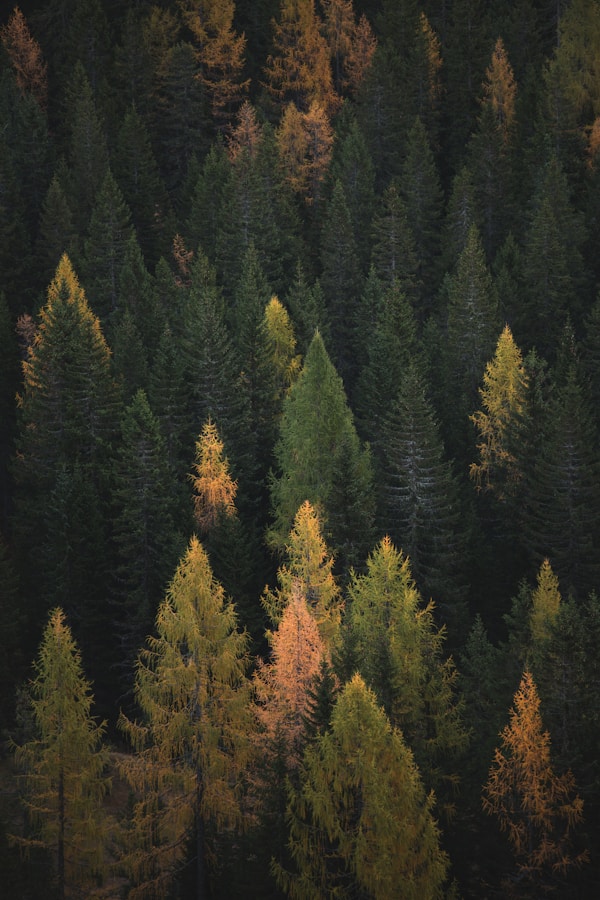
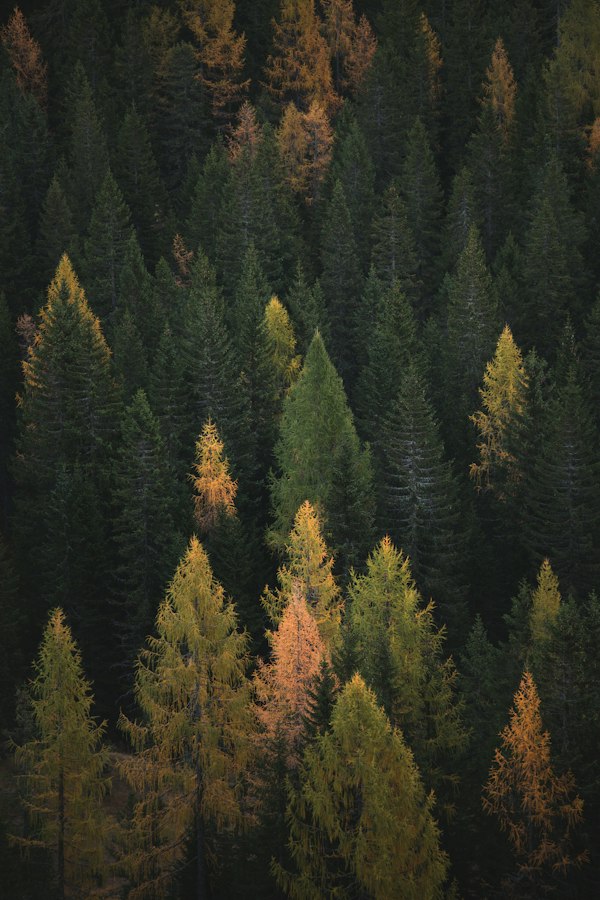
September is the Nordic region’s finest single month — the summer crowds have departed, prices drop 20–35% below peak, the aurora season begins (the first KP 3+ events appear above 60°N from mid-September), the autumn colour (particularly in Swedish and Finnish forests in October — the phenomenon called ruska in Finnish, when the birch forests turn gold simultaneously) is extraordinary, and the hiking season is still fully open. Tromsø in late September: the city is at its most energetic (the International Film Festival, the Midnight Sun Marathon — wait, the aurora marathon is in January — and the return of the Northern Lights as the days shorten). October: the aurora is more frequent and more intense; the mountain landscapes are dusted with first snow above 1,000m; the fjord cruises are quiet and beautiful.

Winter — Aurora Peak & Snow
November – March

Winter is the Nordic region’s aurora peak season and its most extreme experience — the polar night descends (in Tromsø, the sun is below the horizon for 8 weeks around the winter solstice; in Longyearbyen/Svalbard, from late October to mid-February), the snow transforms the landscape, and the Northern Lights appear on clear nights with increasing frequency and intensity. January and February are the peak aurora months — statistically the most frequent clear-sky events. The husky safaris, reindeer sleigh rides, snowmobile expeditions, and glass-roof sauna cabin experiences of Finnish Lapland are all at their operational best. Norwegian cities (Bergen, Oslo, Tromsø) maintain full restaurant and cultural programmes; Copenhagen’s Christmas markets (November–December) are among Europe’s finest. Budget for significantly higher accommodation prices in Finnish Lapland’s Christmas–New Year and February school holidays.

Expert Tips for the Nordic Region

From the team who has watched the Northern Lights from a snowmobile stop in Finnish Lapland, driven the Geiranger Eagle Road at 6am, and understood why Norwegians think NOK 200 for a beer is reasonable.

01
The Nordic Countries Are Extremely Expensive — Plan Accordingly

Norway, Denmark, Sweden, Finland, and Iceland are consistently among the five most expensive countries on earth for visitors. A meal and a beer in Oslo costs approximately 3× the equivalent in Australia. A mid-range hotel in Bergen in July runs NOK 2,000–3,500 (A$280–490) per night. A grocery supermarket dinner (Rema 1000 in Norway, Netto in Denmark, Lidl across the region) is the single most effective cost-reduction strategy — supermarket food quality in the Nordic countries is excellent and the price difference from restaurants is extreme (a Norwegian supermarket lunch costs NOK 80–120 vs NOK 250–400 at a café). The Vinmonopolet (Norway’s state alcohol monopoly — the only place to buy wine and spirits above 4.7% ABV) is significantly cheaper than any bar or restaurant. Budget realistic numbers: NOK/DKK/SEK 1,500–2,500 per person per day is a comfortable mid-range budget for accommodation, food, and transport in the fjord regions. Visiting in shoulder season (May or September) reduces accommodation costs by 25–35%.

02
The Northern Lights Require Time — Not Just Location

The single most common Northern Lights disappointment: arriving in Tromsø or Finnish Lapland for 2–3 nights and encountering cloud cover for the entire stay. The Northern Lights require three things simultaneously: darkness (no midnight sun — September to March above 65°N), solar activity (KP index 3 or above — check Space Weather Live), and clear skies. You cannot control any of them. The correct approach is time: stay a minimum of 5–7 nights in an aurora location to statistically guarantee at least one clear-sky aurora event. Take the guided aurora chase tour (operators drive in search of cloud gaps — NOK 900–1,400 per person — worth every cent for the first visit) at least twice. Do not go to Finnish Lapland for 2 nights in February and expect to see the lights — go for a week.

03
Copenhagen Is the Smartest Gateway

Copenhagen (CPH — Copenhagen Airport, Kastrup) is the best international entry point for the Nordic region. It is the most directly connected to Australia (via Dubai with Emirates, via London with various carriers, via Singapore with SQ to Frankfurt and then CPH — typically 25–28hrs total), the cheapest of the Nordic gateways by airfare, and the most immediately rewarding city to spend the first recovery days after the journey. From Copenhagen: trains to Oslo (8hrs — via Gothenburg and Stockholm — or fly in 90min), flights to Bergen and Tromsø (SAS and Norwegian), flights to Reykjavík (Icelandair, 3hrs), and the Scandinavian Rail Pass covers the entire region’s main train network. A Copenhagen–Bergen–Sognefjord–Oslo–Copenhagen circuit is the most complete introduction to the Nordic region in 10–14 days.

04
Dress for the Weather — All of It

Nordic weather is unpredictable and the temperature range across the region is enormous. Bergen (one of Europe’s rainiest cities — 260 rain days per year) requires waterproof outerwear year-round. The fjord regions in May are 8–14°C with frequent rain. Oslo and Stockholm in July are warm (22–28°C); Finnish Lapland in February is −20°C to −35°C (operators provide full Arctic suits for outdoor activities, but your own base layers matter). The correct packing formula: merino wool base layers (warm when wet, odour-resistant for multi-day hiking), a waterproof outer layer for Norwegian fjord weather, and insulated mid-layer for temperatures below 0°C. The Nordic principle of “there is no bad weather, only bad clothing” (Norwegian: det finnes ikke dårlig vær, bare dårlig klær) is not a cliché — it is a survival philosophy that has kept people functional in this climate for 10,000 years.

Before You Go

Getting to & Around the Nordic Region

No direct flights from Australia, but Copenhagen is the smartest gateway. The region’s rail and ferry network is world-class; budget for the prices.

Flights from Australia to the Nordic Region
  • No direct Australia–Nordic flights. All routings from Australia connect through at least one hub. Total journey time: 24–30 hours from Brisbane depending on routing and layover. Allow a full recovery day on arrival before starting demanding sightseeing or long drives.
  • Copenhagen (CPH) — the recommended gateway: The most cost-effective and frequently served Nordic gateway from Australia. Emirates via Dubai (Brisbane–Dubai–CPH, approximately 25–27hrs) is typically the best-value routing and has excellent schedules. Singapore Airlines via Singapore and Frankfurt to Copenhagen is an alternative with good connectivity. Lufthansa via Frankfurt, British Airways via London, and Finnair via Helsinki all serve CPH from Australian cities with competitive fares.
  • Oslo (OSL): Direct train connection from CPH to Oslo (4hrs on the high-speed X2000 — Swedish high-speed rail — or 8hrs on the Vy Norway service via Gothenburg). Flying Oslo from Dubai, London, or Frankfurt is comparably priced to CPH with slightly fewer options. OSL is the best choice if the itinerary is Norway-focused (fjords, Tromsø, Lofoten).
  • Stockholm (ARN) and Helsinki (HEL): Well-served international airports with connections from London, Frankfurt, Amsterdam, and Dubai. Finnair’s Helsinki hub has efficient connections to East Asia and Australia via Singapore or Tokyo; for travellers focused on Finland and Sweden, Helsinki can be the most direct entry point. Finnair’s partnership with Qantas enables Frequent Flyer points redemption on Helsinki routes.
  • Reykjavík (KEF — Keflavik): Icelandair connects Reykjavík to multiple European cities (London, Paris, Amsterdam, Copenhagen) and to North America. From Australia, add a Copenhagen or London connection. Icelandair’s stopover programme — allowing a free overnight in Reykjavík en route between Europe and North America — is the smartest way to combine Iceland with a broader Europe trip.
  • Best booking window: Summer peak (June–August) — book 4–6 months ahead; Nordic summer airfares rise sharply from March onward. Aurora season (January–February) — book 10–14 weeks ahead. Autumn (September–October) and Spring (April–May) — 8–10 weeks, with the best value fares. January is typically the cheapest month for Australia–Europe fares, which includes Nordic routing.
  • Schengen entry: Norway, Sweden, Denmark, and Finland are all Schengen Area members. Australian passport-holders enter visa-free for up to 90 days in any 180-day period. Iceland is EEA (same 90-day visa-free rules apply). Your 90 days covers all five countries combined — not 90 days per country. Keep a record of entry and exit dates. ETIAS (the European Travel Information and Authorisation System) is expected to launch for Australian visitors in 2025–2026 — check current requirements at ec.europa.eu before departure.
🚊
Getting Around the Nordic Region
  • Rail — the backbone of the region: The Nordic rail network is comprehensive, punctual, and scenically extraordinary. The key routes: Copenhagen–Stockholm (5hrs, Swedish SJ high-speed X2000 — book ahead for the best fares), Stockholm–Oslo (6hrs, Vy Norway — the final 2hrs through Scandinavian lake and forest scenery is the finest train view in Scandinavia), Oslo–Bergen (7hrs, the Bergensbanen — crossing the Hardangervidda plateau at 1,237m, one of Europe’s finest mountain rail journeys, winter or summer). The Interrail Global Pass (for non-EU residents — Australian citizens are eligible) and the Eurail Global Pass cover Norway, Sweden, Denmark, and Finland; Iceland has no rail. Book through eurail.com or the individual national rail operators (SJ for Sweden, Vy for Norway, DSB for Denmark, VR for Finland).
  • Norway’s fjord ferries: The Norwegian coastal ferry network (Fjord1, Norled, and Ruter operate the main fjord routes) is the essential mode for the fjord regions — ferries cross fjords that would require 2–4 hours by road to circumnavigate, and the ferry crossing itself is the experience. The Nærøyfjord ferry (Gudvangen to Flåm — 90 minutes through the UNESCO-listed narrows — NOK 420 per person, book online through visitflam.com) is the most important single booking in a fjord region visit. The Hurtigruten coastal route (12-day sailing from Bergen to Kirkenes and back, visiting 34 ports — the most comprehensive Norway coastal experience available — from NOK 12,000–35,000 per person depending on cabin and season) is the premium option for Norway completists.
  • Hire car — essential for fjords and Iceland: Self-driving is the only way to access many of Norway’s most spectacular fjord viewpoints (the Eagle Road above Geiranger, the Trollstigen mountain road, the Atlantic Ocean Road, the Lofoten Islands’ interior). Iceland’s Ring Road is best done by hire car — a 7–10 day self-drive circuit with complete flexibility. Book well ahead in summer: Norwegian fjord gateway rental car availability depletes from June and the most popular SUV categories sell out in July. For Iceland’s interior F-roads (Landmannalaugar, etc.), a 4WD is mandatory; standard cars are not permitted. Norwegian tunnel tolls (the country has 900+ road tunnels, many with electronic tolling — register your rental car’s registration plate at autopass.no before driving to avoid fine-by-mail).
  • Domestic flights within the region: The Nordic countries’ internal air networks (Norwegian Air, SAS, Widerøe in Norway — Wid erøe operates the regional prop aircraft routes to remote coastal communities and fjord airports) cover distances that rail cannot reach efficiently. Tromsø and Lofoten from Oslo are 90 minutes by air versus 15–18 hours by road/ferry. Rovaniemi from Helsinki is 1.5hrs by air. Domestic flying is comparably priced to driving once accommodation and ferry costs are factored.
  • Copenhagen cycle hire: Copenhagen is the world’s most cycling-friendly city — 675km of dedicated bike lanes, 62% of residents commuting by bicycle year-round, and a bike hire network (Bycyklen — electric bikes at docking stations throughout the city, DKK 30/hour) that makes the entire city accessible on two wheels. Cycling from Nyhavn to Christianshavn, to the National Museum, to Tivoli, and back along the harbour in a single afternoon is the most efficient and most characteristically Copenhagen way to experience the city. Helmet not legally required but recommended.
  • Stockholm’s archipelago ferries: Waxholmsbolaget operates the archipelago ferry network connecting Stockholm to 1,000+ islands — the SL transit card (the same Oyster-equivalent card used for the metro and buses) covers some routes; additional SL archipelago tickets cover the outer islands. A day trip to Vaxholm (45min, medieval castle, village of wooden houses) or Sandhamn (2.5hrs — the outer archipelago, open sea, sailing culture) on the ferry is the essential Stockholm summer experience.
💰
Budget Guide — What the Nordic Region Costs
  • Realistic daily budget — Norway: Norway is the most expensive country on earth for visitors by most measures. Budget backpacker (hostel dorm, supermarket meals, free hiking): NOK 800–1,200 (A$110–170)/day. Mid-range (3-star hotel, two restaurant meals, ferry and activity): NOK 2,500–4,000 (A$350–560)/day. Comfortable (4-star hotel, daily restaurant dining, fjord tours and activities): NOK 4,000–7,000 (A$560–980)/day. The supermarket strategy (Rema 1000, Kiwi, Coop — all excellent quality) genuinely halves food costs: a supermarket packed lunch and dinner (charcuterie, cheese, bread, fruit, beer from a supermarket — alcohol is only available from Vinmonopolet, the state monopoly, not regular supermarkets) costs NOK 150–250 versus NOK 400–800 at any restaurant.
  • Realistic daily budget — Denmark/Sweden/Finland: Marginally cheaper than Norway but still among Europe’s most expensive. Copenhagen mid-range: DKK 1,500–2,500 (A$330–550)/day. Stockholm mid-range: SEK 1,800–3,000 (A$260–440)/day. Helsinki mid-range: EUR 150–250 (A$250–415)/day. Finland is the most affordable of the four continental Nordic countries — broadly comparable to mid-range Western European pricing in Helsinki, significantly cheaper in provincial towns.
  • Iceland — a special case: Iceland’s costs are between Norway and Denmark for accommodation; food is broadly Norwegian-level (expensive). The Ring Road hire car is the main cost: EUR 60–150/day for a 4WD (mandatory for the F-roads and advisable everywhere in winter). Petrol in Iceland is EUR 2.20–2.60/litre; fill up in towns — petrol stations in the interior are sparse. Camping in Iceland (camping passes available from visit.is — EUR 14–18/night across the country’s network of designated campsites) reduces accommodation costs dramatically for summer visitors.
  • Oslo Pass, Copenhagen Card, Stockholm Pass: City tourism cards (Oslo Pass — NOK 595/24hrs; Copenhagen Card — DKK 799/24hrs; Stockholm Pass — SEK 799/24hrs) include unlimited public transport and free or discounted entry to 30–60 museums and attractions. Worth calculating based on your specific itinerary — if visiting 3–4 paid attractions per day, the passes almost always pay for themselves. The Oslo Pass in particular delivers significant value given the high individual admission prices of Norwegian museums.
  • Northern Lights tours — the main winter activity cost: Aurora chase tours from Tromsø (NOK 900–1,400 per person for a 3–4hr minibus tour to clear-sky locations) and Finnish Lapland (EUR 90–180 per person for guided snowshoe aurora walks; EUR 200–350 for snowmobile + aurora expeditions) are the primary winter expenditure beyond accommodation. Budget EUR/NOK 200–500 per person per day for the full winter Lapland or Arctic Norway experience including accommodation, activities, and food.
  • Tipping: Unlike the USA, tipping is not culturally embedded in the Nordic countries. A restaurant service charge is included in all Nordic prices by law. Rounding up to a convenient figure (DKK 180 on a DKK 165 bill) is appreciated but never expected. The absence of tipping pressure is one of the most immediately noticeable differences from the Australian and American dining experience — the price on the menu is the price you pay.
Day by Day

Nordic Itineraries for Australians

Three Nordic circuits designed around the long-haul flight from Australia — each requiring a minimum of 2 weeks to do meaningful justice to the distances and the cost of getting there.

⌛ 14 Days · The Classic Nordic
Copenhagen to Bergen
Denmark · Sweden · Norway Fjords
Days 1–3
Copenhagen. Arrival recovery. Nyhavn, Tivoli, Designmuseum Denmark. Dinner at one of the city’s excellent mid-range New Nordic restaurants (Restaurant Mes, Bror, Geist — all Noma alumni, all under DKK 800 for two courses). Day 3: rent a bike and cycle the entire harbour waterfront to Christiania and back.
Days 4–6
Stockholm. Train from Copenhagen (5hrs, X2000 — book ahead). Gamla Stan (the medieval old town, best at 7am before the crowds), Vasa Museum (the 17th-century warship — the most remarkable object in a Scandinavian museum), archipelago ferry day trip to Vaxholm (45min). Fotografiska evening.
Days 7–8
Oslo. Train from Stockholm (6hrs). National Museum (The Scream — the Munch original), Vigeland Sculpture Park (free — 200+ bronze and granite figures in a park of extraordinary ambition), Aker Brygge waterfront. Oslo Opera House rooftop walk (free, extraordinary harbour view).
Days 9–11
Bergen & Fjords. Train Oslo to Bergen (7hrs — the Bergensbanen, crossing the Hardangervidda plateau). Bergen: Bryggen wharf, fish market, Fløibanen funicular to the hilltop view. Day 10: Norway in a Nutshell — Nærøyfjord ferry + Flåm Railway. Day 11: Hardangerfjord excursion or Edvard Grieg’s home at Troldhaugen (composer of Peer Gynt — the house museum and concert hall above the fjord).
Days 12–14
Bergen “Rest” Days. Day 12: Preikestolen day trip from Stavanger (fly Bergen–Stavanger 40min, ferry + hike). Day 13: Ålesund day trip (art nouveau architecture city, one of Norway’s most beautiful small cities, 1hr flight or 4hr bus from Bergen). Day 14: Bergen to CPH for return flight.
Book This Itinerary →
⌛ 14 Days · The Aurora Circuit
Northern Lights & Arctic
Norway · Finland · Svalbard
Days 1–2
Oslo arrival. Recovery, city orientation. National Museum, Aker Brygge. Brief city visit before flying north.
Days 3–6
Tromsø. Fly Oslo–Tromsø (1.5hrs). 4 nights minimum. Aurora chase tours every clear night (book all 4 nights on arrival). Arctic Cathedral, cable car to Storsteinen summit view, whale safari in Skjervøya (Nov–Jan), king crab dinner. The Tromsø Universe science centre for aurora science context.
Days 7–9
Finnish Lapland — Rovaniemi. Fly Tromsø–Rovaniemi (2hrs via Oslo or direct in season). 3 nights. Husky safari (half-day), reindeer sled with Sámi guide, snowmobile evening + aurora viewing, sauna + snow roll at wilderness lodge. Santa Claus Village on the Arctic Circle for the children’s iteration of this experience.
Days 10–12
Svalbard (Longyearbyen). Fly Rovaniemi–Oslo–Longyearbyen (4hrs total, 2 legs). 3 nights in polar night. Snowmobile expedition to dark-sky aurora viewing (maximum KP advantage at 78°N). Svalbard Museum. Polar bear safety briefing required to leave town perimeter (all organised tours include this).
Days 13–14
Return via Oslo. Fly Longyearbyen–Oslo (3hrs). Oslo overnight. Return to Australia via CPH or OSL.
Book This Itinerary →
⌛ 21 Days · The Grand Nordic
All Five Countries
Denmark · Sweden · Finland · Norway · Iceland
Days 1–4
Copenhagen + Målbæk. The capital and Denmark’s countryside (Målbæk, Møn’s Klint chalk cliffs) — or Aarhus (second city, ARoS art museum, Old Town open-air museum).
Days 5–7
Stockholm. The city at its best: Old Town, Vasa, archipelago ferry. Optional: train north to Uppsala (cathedral, university town, Viking burial mounds — 1hr from Stockholm).
Days 8–10
Helsinki. Ferry from Stockholm to Helsinki (Viking Line, 15hrs overnight — the crossing itself is a Nordic experience, excellent buffet dinner, cabin for the night). Helsinki: Design District, Market Square, Suomenlinna sea fortress (UNESCO, 20min ferry). A proper Finnish smoke sauna experience (Sörnäinen or Rajasaari public sauna — EUR 10–15).
Days 11–14
Norway Fjords. Fly Helsinki–Bergen. 4 days: Norway in a Nutshell, Preikestolen, Geirangerfjord drive, Bergen food market. Lofoten alternative (fly Bergen–Bodø, take the ferry to Lofoten — requires 3 extra days but delivers the most beautiful archipelago in Europe).
Days 15–17
Tromsø (Aurora, Oct–Mar). Fly Bergen–Tromsø. 3 nights: aurora chase tours, Arctic light, midnight sun or polar twilight depending on season. King crab from a local fisherman directly.
Days 18–21
Iceland. Fly Tromsø–Reykjavík (2hrs, direct Icelandair). 4 days: Golden Circle day 1, South Shore + black sand beaches + Skógafoss waterfall day 2, Snæfellsnes Peninsula day 3 (Jules Verne’s Journey to the Centre of the Earth volcano), Reykjavík evening. Depart home via CPH.
Book This Itinerary →

The light that stops you.
The silence that stays.
We’ve been sending Australians north for 35 years.

Our Nordic specialists know the Tromsø aurora chase operator who actually drives toward clear sky breaks instead of stopping at a fixed location. They know the correct Nærøyfjord ferry departure time for the light. They’ve eaten at Geranium and can tell you what to order at the market restaurants in Bergen’s Fisketorget that aren’t aimed at tourists. After 35 years building Nordic itineraries for Australians, we know the difference between seeing the Northern Lights and actually being inside them. Let us build your version of the north.

Plan My Nordic Trip Call 0409 661 342

Trusted by 50,000+ Australian travellers · ATAS Accredited · 35+ Years

More World Travel

More World Travel Guides