 Travel guide
Getting Around Japan: Rail, Airports & Local Travel
Plan airport transfers, Shinkansen journeys, city transport and luggage without buying a pass before you know your route.
Explore Getting Around Japan →Travel lighter between cities by planning delivery dates, hotel acceptance and an overnight bag before handing over your suitcase.
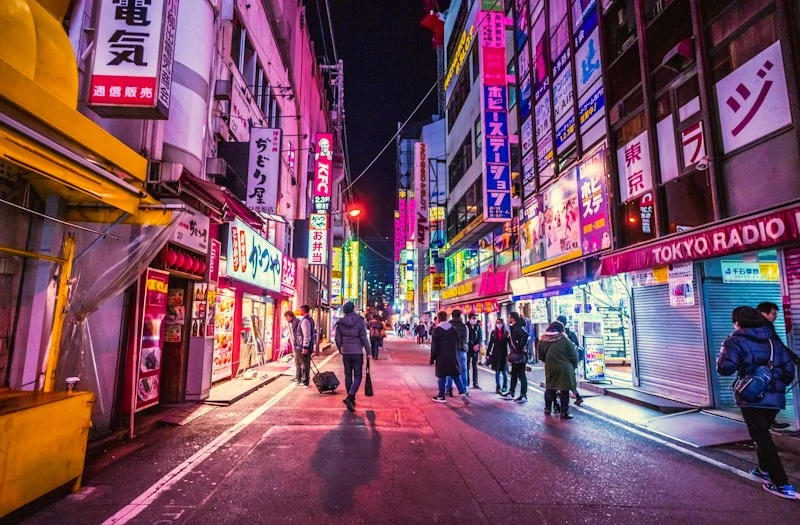
Neon-lit shopping street in Japan · Photography source
Forwarding sends your suitcase separately to a later accommodation or an eligible collection point. It can be particularly useful when a short Hakone or mountain stay sits between city hotels. Instead of taking a large bag through every station and bus connection, carry the clothes and essentials needed for the intervening nights.
The service is not instant and does not remove the need to plan. Delivery time depends on origin, destination, cutoff time, weather and the product chosen. Some limited same-day services exist, but they should never be assumed for an ordinary hotel-to-hotel shipment. Confirm the actual delivery date before deciding what to keep with you.
Ask the sending hotel whether it can arrange the service and accept payment. Then ask the receiving property whether it will accept luggage before your arrival, how it identifies a reservation and whether there are storage limits or fees. A staffed hotel is generally easier to coordinate than an unattended rental, but individual policies still matter.
Use the exact accommodation name, address, telephone number, booking name and check-in date. Save these details in Japanese if available. Similar hotel names and multiple branches are common. A parcel sent to the wrong branch can create a problem that a correct postcode alone does not solve.
Tell the carrier when you need the bag, not simply when you hope it will arrive. Ask about the route-specific lead time and the latest dispatch time. Islands, remote areas, severe weather and busy travel periods can affect delivery. Keep enough clothes for a delay rather than relying on a suitcase arriving before a particular dinner.
Carry passports, tickets, medicines, valuables, electronics and important documents yourself. Add toiletries, chargers and the clothing needed for the climate at your next stop. A warm city departure does not mean a mountain overnight will be warm. Photograph the suitcase and keep the receipt and tracking details accessible.
Suppose you leave Tokyo for one night in Hakone and then continue to Kyoto. Ask the Kyoto hotel to accept the suitcase, confirm the carrier’s delivery schedule and send it from Tokyo at the required time. Travel to Hakone with a small bag containing everything needed until collection in Kyoto.
Do not promise yourself that the suitcase will already be in your room. Delivery is usually to the property or designated receiving point, and hotel staff may require you to identify it. If the schedule cannot meet your needs, send earlier, carry more essentials or take the bag by train using the correct luggage reservation.
For Kanazawa, Shirakawa-go and Takayama, forwarding a large bag to a later Kyoto hotel can make buses and small inns easier. Check how many nights the bag will be away and whether the receiving hotel accepts early delivery for that interval. Carry footwear and layers suitable for the mountains rather than packing only city clothes.
If the route changes, contact the carrier and hotel promptly. Do not assume a change of delivery address is free or possible at every stage. Keep the tracking number separate from the luggage and make sure someone in the travelling party can access the contact details without the other person’s phone.
Airport delivery services can have earlier deadlines than ordinary hotel deliveries. Confirm the correct airport, terminal, carrier counter, collection hours and flight date. The process for sending luggage to an airport is different from handing it to your airline, and it does not complete airline check-in.
On departure day, allow time to collect the bag before checking in. Keep items you may need for customs procedures accessible. Do not place essential documents or anything needed for the flight in a bag that could be delayed. If the final hotel-to-airport interval is too short, use a direct transfer or carry the suitcase yourself.
Charges depend on the service, size, weight and distance. Measure the actual bag including wheels and handles where required, and use the carrier’s current calculator or counter quote. Oversized or unusual equipment may need a specific service. Golf clubs and skis should not be sent under assumptions based on an ordinary suitcase product.
Check accepted payment methods and whether payment is made at dispatch or delivery. Confirm restrictions on contents and compensation terms with the carrier. A travel insurance policy may have separate limits for unattended or transported baggage; understand those conditions rather than assuming all belongings are fully covered.
For a one-night city stop with no delivery buffer, carrying the bag may be simpler. The same is true when the receiving property cannot accept it or your itinerary is still uncertain. Station lockers and staffed storage can help for a few hours, but availability and size are not guaranteed.
Compare the full cost and convenience against packing less, choosing a direct train or using a taxi for the final station-to-hotel leg. Forwarding is most useful when it removes a genuinely awkward part of the route. A clear address, a realistic delivery window and a well-packed overnight bag are the foundations of a smooth experience.
Travel guidePlan airport transfers, Shinkansen journeys, city transport and luggage without buying a pass before you know your route.
Explore Getting Around Japan →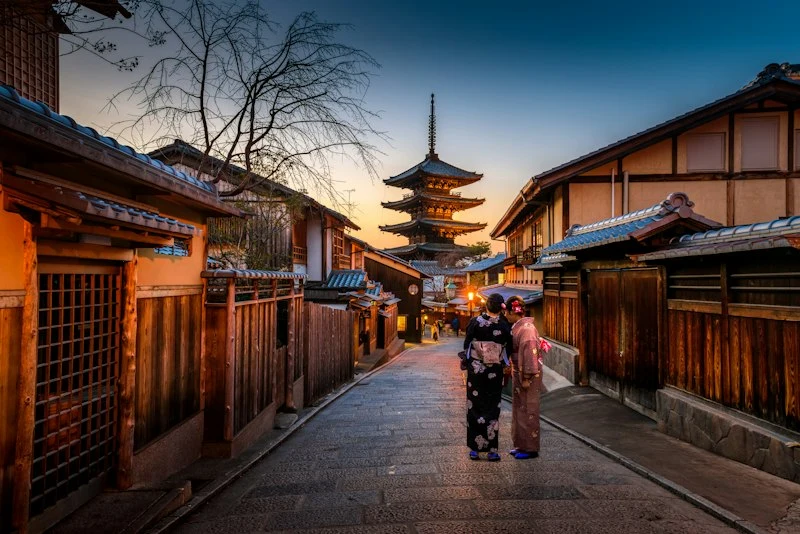 Travel guide
Match your hotels to the journey: Tokyo neighbourhoods, Kyoto or Osaka, mountain towns and a route with fewer changes.
Explore Where to Stay in Japan →Travel journalHow much a Japan trip costs from Australia in 2026 — flights, hotels, ryokan, Shinkansen and the JR Pass question, food, sightseeing and three sample ten-day budgets in AUD.
Explore Japan Travel Costs →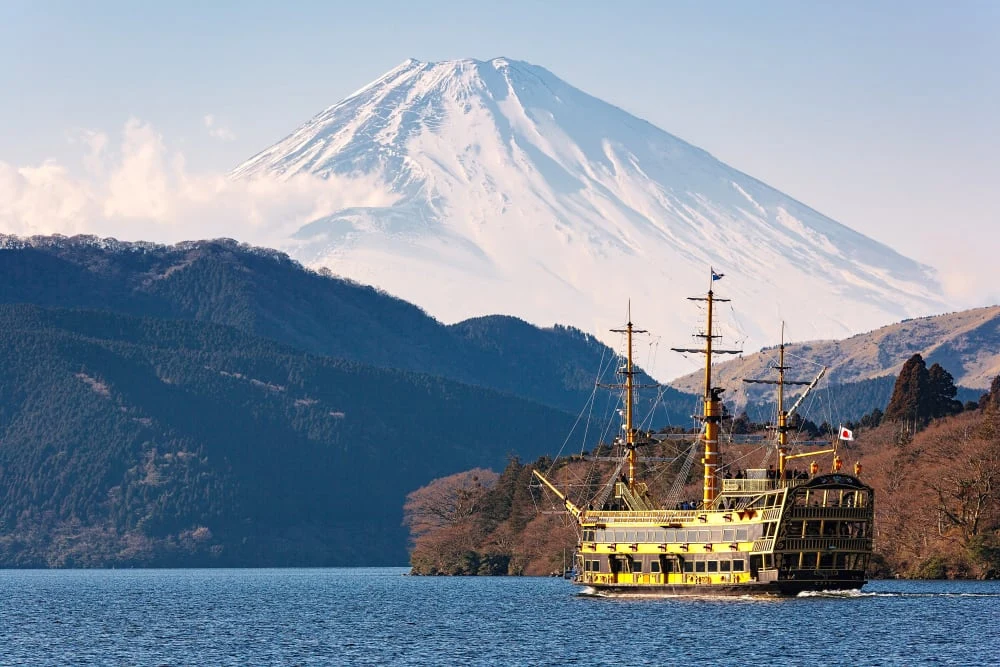 Tours & itineraries
Four nights in Tokyo, one in Hakone, four in Kyoto and one in Osaka: a proposed first-visit route with room to tailor the details.
Explore Classic Japan →Reviewed 12 November 2026. Check current fares, entry conditions, opening arrangements and booking terms for your actual dates. Any older indicative budget figures retained in the detailed guides are planning examples, not live quotes.
Your Japan, thoughtfully planned
Tell us your dates, group size, preferred pace and interests. Include dietary, bedding and access needs so we can discuss suitable options and confirm what can be arranged.
Keep exploring
Build your next journey with practical destination guides across Australia, New Zealand and the world.
Explore Tokyo · Explore Kyoto · Explore Osaka · Explore Taiwan