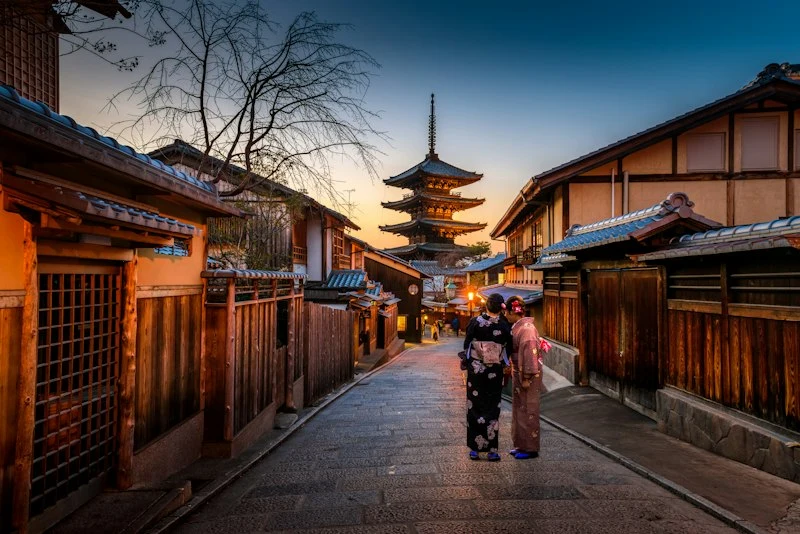
 Travel guide
Japan Accommodation: Hotels, Ryokan & Apartments
Understand room types, meal plans, traditional inns, family accommodation and the questions to ask before booking.
Explore Japan Accommodation →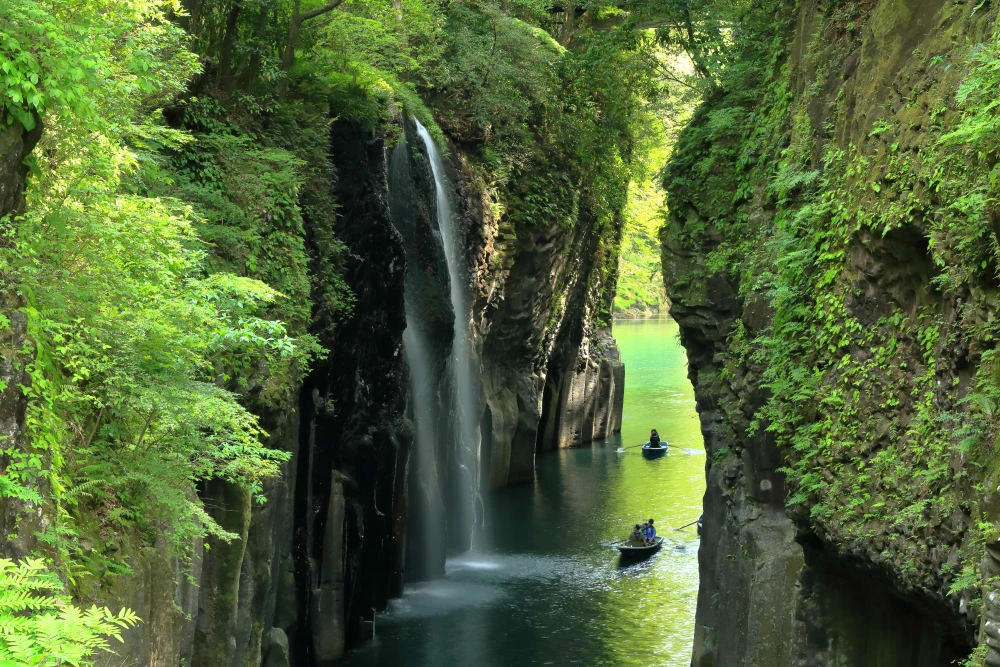
A regional itinerary through Fukuoka, Nagasaki, Kumamoto and Beppu, with realistic transfers and optional extensions.
Takachiho Gorge in Kyushu; an optional regional extension · Photography source
Shape this journey around you. This is a proposed itinerary. Dates, prices, accommodation, transport, guides and inclusions must be confirmed in a written quote. Daily lists are choices to tailor, not a promise to complete every stop.
Kyushu suits travellers who want food-focused cities, distinctive history and hot springs without repeating a Tokyo–Kyoto route. This ten-day proposal uses nine nights: Fukuoka three, Nagasaki two, Kumamoto two and Beppu two. It can stand alone or follow another part of Japan, but the travel time to and from the island belongs in the overall holiday.
The itinerary is an enquiry framework, not a confirmed tour departure. Accommodation, rail tickets, guides, meals, airport transfers and any private transport require a written quote and availability check. Choose the start and end airports around the actual flight options rather than assuming a direct Australian service or a convenient connection exists on every date.
Transfer to your accommodation and spend the first afternoon close to the hotel. Hakata is useful for onward rail connections, while Tenjin suits shopping and evening activity. Check the actual station exit and room configuration before booking. A simple first meal and a short walk are enough after a flight or a long rail journey.
If you arrive early, explore one nearby district rather than crossing the city repeatedly. Save a major prepaid experience for another day. Confirm tomorrow’s plans and any restaurant booking that is important to the party.
Use day two for the city: a park or cultural visit, a neighbourhood walk and time for local food. Tonkotsu ramen is an obvious introduction, while yatai stalls can offer an enjoyable evening for a small, flexible group. Stalls have limited seating and individual operating arrangements; they are not a guaranteed large-group dinner booking.
Day three can include Dazaifu if its cultural setting appeals, or remain in Fukuoka for a slower day. Check the transport and any works affecting the sites you intend to see. Keep the last afternoon light enough to pack and prepare for the move to Nagasaki.
Rail journeys from Fukuoka towards Nagasaki involve the current connection pattern, including the transfer associated with the Nishi Kyushu Shinkansen. Check the exact service and interchange rather than relying on an old direct-train description. Leave time to reach the hotel and orientate yourself in the city.
Choose a gentle waterfront or neighbourhood walk for the afternoon. Nagasaki’s hills can make a short map distance more demanding than expected. If your group needs step-free access, confirm the hotel approach and local transport options before booking.
Give the Peace Park and Atomic Bomb Museum time and attention. The museum can be emotionally challenging, so avoid placing a packed entertainment schedule immediately afterwards. Families should consider children’s sensitivity and allow members of the party to take different amounts of time.
Choose one other historical or cultural area, such as Dejima or the southern hillside districts, rather than trying to cover everything. A viewpoint can be an optional evening addition if weather and energy suit. Boat excursions to sites such as Gunkanjima depend on conditions and landing rules, so they require a separate contingency plan.
Treat the transfer as a significant part of the day and check the current rail routing. Settle into Kumamoto and enjoy a simple city evening. Do not assume the fastest connection on a general planner is included in every regional pass; compare eligibility and coverage for the ticket being considered.
Kumamoto’s castle area is an important visit, but restoration and access arrangements should be checked for the travel date. Allow a dedicated sightseeing period rather than squeezing it between arrival and dinner with luggage still in hand.
Spend the day in Kumamoto with the castle area, gardens and food, or arrange a carefully planned excursion towards Aso. The latter needs realistic transport and attention to volcanic and weather notices. Access to a crater or viewpoint is never guaranteed merely because it appears in a tour description.
A private or guided excursion may simplify the rural day, but the proposed vehicle, route and cancellation arrangements should be confirmed. If conditions are unsuitable, the city day remains a worthwhile alternative. Do not self-design a tightly timed mountain itinerary using only optimistic driving estimates.
Move to Beppu using the route best suited to the day’s schedule and the party. Cross-island journeys can be slower or less frequent than travel along the main Shinkansen corridor. Verify train or bus reservations and whether a different sequence would improve your particular dates.
Choose accommodation according to the bath experience, access needs and meal plan. Arrive in time for any included dinner. Check tattoo policies, private-bath options and bed type in advance; a traditional inn is not automatically suitable for every traveller’s mobility or privacy needs.
Enjoy Beppu at a modest pace. Its sightseeing hot-spring sites and bathing facilities are different experiences: water that is viewed for its colour or steam is not necessarily a bath visitors can enter. Follow the individual facility’s rules and health guidance.
A Yufuin excursion is possible as an alternative, but check transport and avoid spending the entire final full day in transit. Staying in one area, taking a bath and enjoying a leisurely meal may deliver more of the holiday you came for. Keep time to prepare the onward journey.
Depart via a suitable airport or rail connection, with a buffer appropriate to your onward travel. If the international flight is elsewhere in Japan, consider a positioning night rather than a risky same-day chain. The final route should be built around confirmed flights, not the other way around.
Add Kagoshima, Miyazaki or another rural area only with extra nights. A ten-day itinerary does not need to cover all of Kyushu. For an enquiry, provide the travel dates, preferred pace, bath and room requirements, interest in guided days and budget. Request a clear list of included transport, accommodation and meals, plus alternatives for weather-sensitive excursions.
Travel guideUnderstand room types, meal plans, traditional inns, family accommodation and the questions to ask before booking.
Explore Japan Accommodation →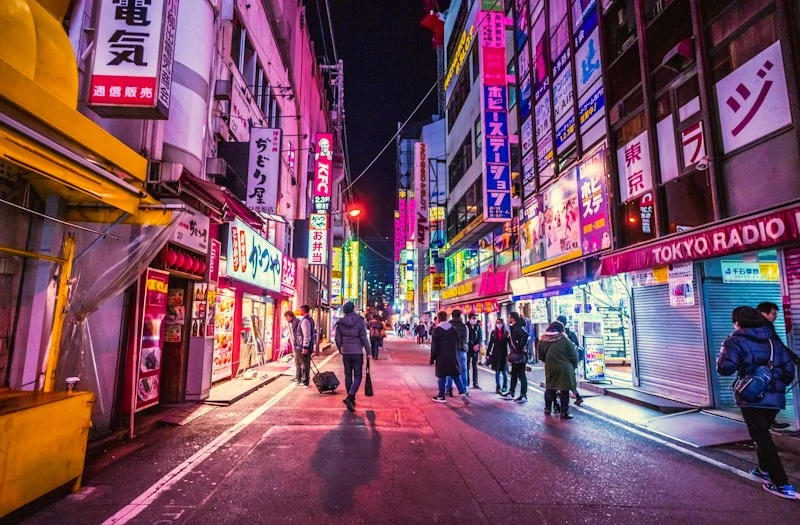 Travel journal
Travel lighter between cities by planning delivery dates, hotel acceptance and an overnight bag before handing over your suitcase.
Explore Luggage Forwarding in Japan →Travel journalCheck visa exemption, passport validity, arrival procedures, medicines and customs using the official rules for your circumstances.
Explore Japan Entry Requirements for Australians →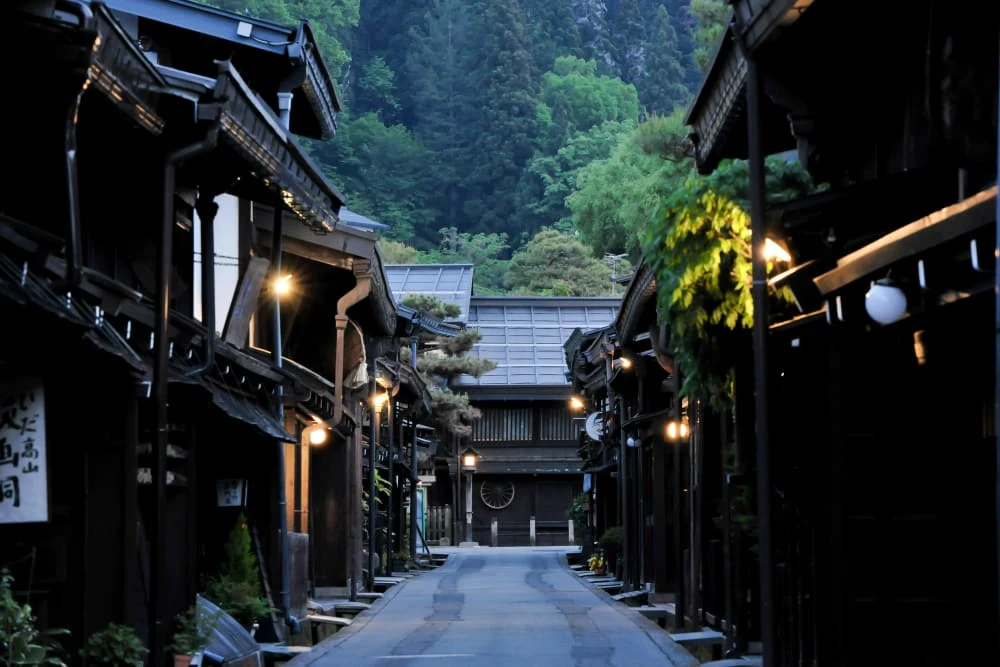 Tours & itineraries
Compare classic, slower-paced, seasonal, family, Alps, hot-spring, Kyushu and golf travel ideas before shaping your own trip.
Explore Japan Tours & Itineraries for Australians →Reviewed 12 November 2026. Check current fares, entry conditions, opening arrangements and booking terms for your actual dates. Any older indicative budget figures retained in the detailed guides are planning examples, not live quotes.
Your Japan, thoughtfully planned
Tell us your dates, group size, preferred pace and interests. Include dietary, bedding and access needs so we can discuss suitable options and confirm what can be arranged.
Keep exploring
Build your next journey with practical destination guides across Australia, New Zealand and the world.
Explore Tokyo · Explore Kyoto · Explore Osaka · Explore Taiwan