🌊 Continent Guide · Home Waters

The Pacific at Your
Doorstep —
All of It

The world's largest ocean, the oldest continent, the youngest country on earth, and some of the most biodiverse marine ecosystems ever mapped — all within five hours of each other by air from Brisbane. Oceania is the one region where Australians travel with the unfair advantage of proximity, shared seasons, no jet lag, and a landscape that includes both the world's largest coral reef and the world's most dramatically fjorded coastline in neighbouring countries.

2,300km
Great Barrier Reef
3hrs
Brisbane to Queenstown
14
Pacific Island Nations
3,900m
Aoraki / Mt Cook
No Visa
AUS · NZ · Fiji · Pacific
Flights
No Long-haulAll within 5hrs of Brisbane
🛂
Visas
Visa FreeAUS, NZ, most Pacific
💲
Currencies
AUD · NZD · FJDAUD accepted widely in Pacific
🌡
Climate
Same Seasons as AUSNo hemisphere flip
🔎
Dive Sites
World’s BestGBR · Fiji · Vanuatu
🥊
Adventure
QueenstownAdventure capital of the world
About Oceania

The World’s Largest Ocean,
the Closest Big Adventure

Oceania is simultaneously the most familiar and the most extraordinary travel region available to Australians — and the most underrated. The instinct to fly 22 hours to Europe before properly exploring what exists within five hours of Brisbane has produced a generation of Australians who know Paris better than Queenstown, Rome better than the Whitsundays, and London better than Fiji. The corrective impulse is increasingly common: travellers returning from their third European summer and discovering that New Zealand's Fiordland, Milford Sound in morning mist, and the Tongariro Alpine Crossing represent landscapes of a quality that the European continent simply cannot match.

The Great Barrier Reef alone — 2,300km of living coral reef, the largest structure on earth built by living organisms, visible from space — is one of the world's seven natural wonders and one of the planet's most biodiverse ecosystems. The Whitsunday Islands, the Daintree Rainforest (the world's oldest tropical rainforest, 135 million years old), the Kimberley coast, and Uluru/Kata Tjuῤa are each UNESCO-level natural landmarks that Australians pass through on domestic flights without fully reckoning with their global significance. New Zealand adds a geological drama that rivals Iceland's — a country still being tectonically assembled, with active volcanoes, geothermal valleys, and fjords carved by glaciers over millions of years — all within a three-hour flight from east-coast Australia.

Beyond Australia and New Zealand, the Pacific Islands offer a travel category that exists nowhere else on earth — overwater bungalows in French Polynesia (Bora Bora's turquoise lagoon is genuinely the most beautiful body of water on earth), the extraordinary dive sites of Vanuatu (including the SS President Coolidge wreck, the most accessible large wreck dive on the planet), the Yasawa and Mamanuca island chains of Fiji, and the sailing circuits of the Cook Islands. These are not consolation-prize destinations for travellers who cannot afford Europe — they are the finest luxury resort and marine experiences on earth, with a logistical advantage for Australians that visitors from any other continent would envy.

🌊 Oceania at a Glance
  • Great Barrier Reef: 2,300km, 900 islands, 400 coral species, 1,500 fish species — largest living structure on earth
  • Daintree Rainforest: 135 million years old — the world's oldest continuously surviving tropical rainforest
  • New Zealand: 14,000km of coastline, 3,900m Aoraki/Mt Cook, Milford Sound (the world's wettest inhabited place)
  • Bora Bora (French Polynesia): overwater bungalow category invented here in 1967; lagoon rated the world's most beautiful body of water
  • Fiji: 333 islands, the world's softest coral, considered the “soft coral capital of the world”
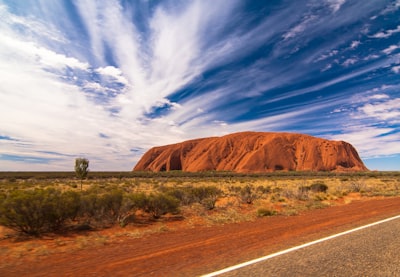
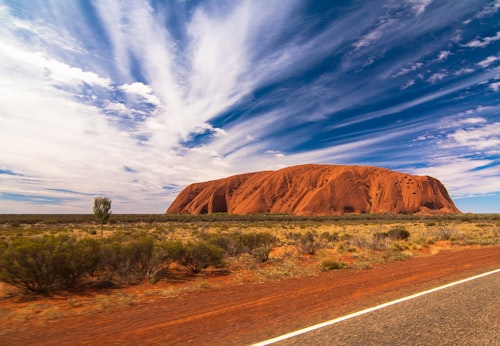
  • Uluru/Kata Tjuῦa: 550 million years old; sacred to the Anangu Traditional Owners; changes colour in changing light
  • Queenstown, New Zealand: bungee jumping invented here (AJ Hackett, 1988); world's first commercial bungee site still operating
  • Vanuatu: SS President Coolidge wreck — 212m long, 20–70m depth, most accessible large wreck dive on earth
Cooee Tours Destination Guides

Oceania Destination Guides

In-depth destination guides written specifically for Australian travellers — covering the best regions, experiences, seasons, and itineraries across Australia, New Zealand, and the Pacific Islands.

Must-See Places

Oceania’s Essential Destinations

From the world's largest living reef to the world's most dramatic fjords — within five hours of home.

Great Barrier Reef aerial Queensland coral island turquoise
🌄 World Heritage

The Great Barrier Reef

The largest coral reef system on earth — 2,300km of living reef stretching from the tip of Cape York to the Whitsunday Islands off the Queensland coast. The reef is visible from space; it is the world's biggest single structure built by living organisms; it hosts 1,500 species of fish, 4,000 species of mollusc, and 240 species of birds. The base of operations is Cairns (for the outer reef), the Whitsunday Islands (for sailing and Island resort stays), or Townsville (for the wreck of the SS Yongala, the finest wreck dive in Australia). The Reef is under documented pressure from ocean warming and bleaching events — which makes the argument for visiting now, rather than later, more compelling than it has ever been.

Queensland, Australia · 2hrs from Brisbane · Year-round diving
★ 5.0
Milford Sound Fiordland New Zealand fjord mountains
Fiordland

Milford Sound

South Island, New Zealand · 4hrs from Queenstown
★ 5.0
Bora Bora French Polynesia overwater bungalow tropical
French Polynesia

Bora Bora

Society Islands, French Polynesia · 5.5hrs from Sydney
★ 4.9
Uluru Ayers Rock Northern Territory Australia red desert
Sacred Site

Uluru — Kata Tjuῥa

Northern Territory, Australia · 3hrs from Sydney
★ 4.9
Queenstown New Zealand adventure mountains lake
Adventure Capital

Queenstown

Otago, New Zealand · 3hrs from Brisbane
★ 4.9
Fiji Yasawa Islands overwater resort Pacific coral
Soft Coral Capital

Fiji Islands

333 islands, South Pacific · 3.5hrs from Brisbane
★ 4.8
Australia’s Living Wonder

The Great Barrier Reef — Complete Guide

The Great Barrier Reef is the most biodiverse marine ecosystem on earth and one of the world’s seven natural wonders. This is how to experience it properly — beyond the day-trip boats and into the reef that most visitors never reach.

1
⛾ Cairns Region · Outer Reef
Cairns — The Reef Gateway
✈ 2hrs from Brisbane🌊 Outer Reef 90min by boat⌛ 3–5 days base

Cairns is the largest gateway to the Great Barrier Reef and the base for the northern and outer reef experiences. Day trips to Agincourt Reef and Flynn Reef (90-minute boat journey to the outer reef) are the standard entry experience — purpose-built pontoons allow snorkelling, diving, and a semi-submersible observatory. For serious divers, the Cod Hole (Ribbon Reefs, 2.5hrs north by liveaboard) and the Coral Sea beyond (Osprey Reef, night dives with grey reef sharks and hammerheads) are the finest dive sites in Australian waters. The Daintree Rainforest (1.5hrs north of Cairns) and Cape Tribulation — where the world's oldest rainforest meets the Great Barrier Reef at the shoreline — extend any Cairns trip into a dual UNESCO World Heritage experience.

Agincourt ReefFlynn ReefCod HoleCoral Sea liveaboardsDaintree Rainforest
The best single upgrade from a Cairns day trip: book a 3-night liveaboard dive vessel to the Ribbon Reefs and Cod Hole. This places you on the outer reef at dawn before day-trip boats arrive, with night dives, multiple daily dives, and access to the most pristine sections of the northern reef inaccessible from shore.
2
⛰ Whitsunday Islands · Sailing & Island Stays
The Whitsundays — 74 Islands, One Lagoon
✈ 1.5hrs from Brisbane to Proserpine/Airlie Beach🌄 74 islands⌛ 4–7 nights optimal

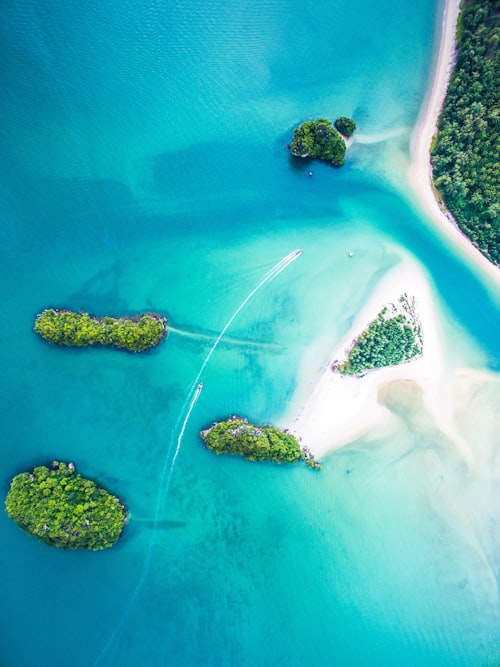
The Whitsunday Islands — 74 islands scattered in the sheltered inner reef passage between the Queensland coast and the main reef — are the most pictorially recognisable stretch of the Great Barrier Reef. Whitehaven Beach (the 7km silica sand beach that photographs as white as printer paper) is regularly listed among the world's top five beaches. Hill Inlet (the swirling tidal sandbank at the northern end of Whitehaven, where the turquoise and white of sand and water merge and shift with the tides) is the region's most iconic aerial image. The Whitsundays are best experienced by sailing: bareboats (self-skippered), skippered charter, and crewed catamarans all operate from Airlie Beach, with itineraries of 3–7 nights. Resort options range from Hamilton Island (full resort island with four hotels, a marina, and its own airport) to Hayman Island (one of Australia's finest luxury resort properties) to the rustic “glamping” of Hook Island.

Whitehaven BeachHill InletHamilton IslandSailing charterHayman Island
The Hill Inlet aerial view requires a seaplane or helicopter transfer from Hamilton Island (20 minutes) or the Hill Inlet viewpoint walk from Whitehaven Beach (45 minutes each way). The best time is mid-morning when the tidal swirls are at their most photogenic — low tide exposes the most dramatic sand patterns.
3
⚓ Townsville Region · Wreck Diving
The SS Yongala — Australia’s Finest Wreck Dive
✈ 1.5hrs from Brisbane to Townsville🔎 Wreck at 16–30m depth🚹 Intermediate divers +

The SS Yongala sank in a cyclone in 1911 with 122 passengers and crew — it was not found until 1958. The wreck lies at 14–30m depth in the outer reef passage 80km southeast of Townsville, and in the 115 years since sinking has become one of the world's top-ten dive sites: a 110-metre-long vessel encrusted in hard and soft coral, inhabited by a resident population of giant Queensland grouper, sea snakes, loggerhead turtles, marble rays, giant trevally, and intermittent tiger shark and bull shark sightings. The Yongala is also a registered maritime grave — the site is protected and nothing may be removed; the extraordinary marine life density is the entire point. Day trips operate from Townsville and Ayr; liveaboard overnight trips deliver two dawn dives in minimal boat traffic.

SS Yongala wreckSea snakesGiant grouperProtected siteIntermediate+ divers
The Yongala is accessible to intermediate open-water certified divers (minimum 20 logged dives recommended due to current and surge). The liveaboard overnight option — departing Townsville late evening, arriving at dawn — gives two dives in the early morning before day boats arrive, when the water clarity and marine life activity are both at their peak.
4
🌊 Coral Sea · Advanced Diving
Osprey Reef — The Coral Sea Seamount
✈ 2hrs from Cairns by boat + overnight liveaboard🔎 Wall dives to 40m+🚹 Advanced divers

Osprey Reef is an isolated coral atoll in the Coral Sea, 350km northeast of Cairns — a seamount rising from 2,000m-deep ocean to a narrow lagoon rim. The North Horn dive site at Osprey Reef is Australia's most celebrated shark diving location: grey reef sharks patrol the wall in visible numbers; hammerhead schools pass in the blue water beyond the wall edge; silvertip sharks occasionally appear from the deep. The walls at Osprey drop from 3 metres below the surface to beyond recreational diving depth — the clarity is extraordinary, the coral coverage near pristine, and the marine life density reflects the site's remoteness and protection. Accessible only by liveaboard (3-night minimum, departing Cairns) from approved operators including Mike Ball Dive Expeditions, Spirit of Freedom, and Coral Sea Dreaming.

North Horn shark diveWall dives 40m+Liveaboard onlyGrey reef sharksHammerheads
Mike Ball Dive Expeditions' Coral Sea liveaboard circuit (Ribbon Reefs + Cod Hole + Osprey Reef, 7 nights) is the benchmark Australian liveaboard experience — widely regarded as one of the finest dive trips available in the Southern Hemisphere. Book 3–6 months ahead for peak season (June–October).
5
🕌 Lady Elliot Island · Manta Rays
Lady Elliot Island — The Southern Reef Gateway
✈ 30min light plane from Bundaberg or Hervey Bay🌊 Southernmost coral cay⌛ 2–3 nights eco-resort

Lady Elliot Island is the southernmost coral cay of the Great Barrier Reef — accessible by small aircraft (Cessna Caravan, 30 minutes from Bundaberg), with a single eco-resort and walking distances to five distinct dive and snorkel sites directly from the beach. The island is one of the world's most reliable manta ray encounter sites: between May and August, manta rays (wingspan up to 5m) aggregate in the bommie gardens (coral formations) directly off the southern beach for cleaning and feeding. Whale sharks pass through in spring (September–October). The underwater visibility at Lady Elliot — clear, calm, no powerboat traffic — is among the finest on the entire reef. The eco-resort (Lady Elliot Island Eco Resort) is modest and deliberately low-impact; it is entirely the right way to experience this site.

Manta ray encountersWhale sharks Sep–OctEco-resort onlyLight aircraft accessWalk-in snorkelling
May–August is peak manta ray season at Lady Elliot — book the eco-resort (ladyelliot.com.au) at least 3 months ahead for this window. The island has strictly limited accommodation capacity (100 guests maximum at any time), which is the best guarantee of a genuinely uncrowded reef experience on the entire GBR.
🌄 Reef Planning Essentials
🌊Best season: June–October (dry season, low humidity, clearest water, calm seas). November–April is wet season; diving still excellent but cyclone risk in northern QLD.
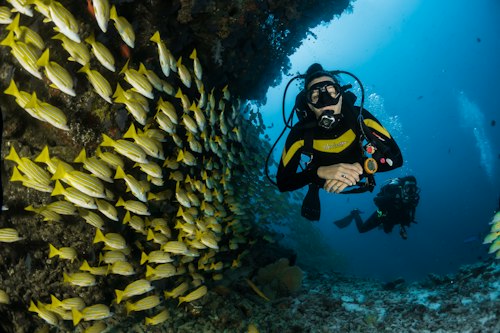
🔎Snorkel vs. dive: Non-divers can see excellent reef on snorkel at most sites. The outer reef (Agincourt, Flynn, Osprey) requires diving to fully appreciate the wall and pelagic marine life.
😀Learn to dive: Cairns is one of the world's best locations to complete a PADI Open Water course — 3-day courses operate daily, including 2 days of pool and classroom followed by 4 open-water dives on the reef itself.
🌈Bleaching: The reef has experienced significant bleaching events (2016, 2017, 2020, 2022). Outer reef and deep bommies retain excellent coral health; inner shallow reef sections are patchier. Ask operators which specific sites have best current coral cover.
💬Responsible operators: Choose Great Barrier Reef Marine Park Authority-certified operators (the “High Standard Tourism Operator” designation). These are monitored for visitor limits and conservation practice.
Liveaboards: Book Mike Ball, Spirit of Freedom, Coral Sea Dreaming, or Tusa Dive 3–6 months ahead for peak season (July–September). Same-week bookings exist in shoulder season.
Aotearoa

New Zealand — North Island & South Island

New Zealand is two islands, two characters, and one of the world’s finest self-drive road-trip destinations. Understanding the difference between the islands is the most useful planning decision you will make.

New Zealand North Island Tongariro volcanoes Rotorua geothermal
🌊 NORTH ISLAND
Te Ika-a-Māui — Geothermal & Māori Culture
Auckland — Māori Name: Tāmaki Makaurau
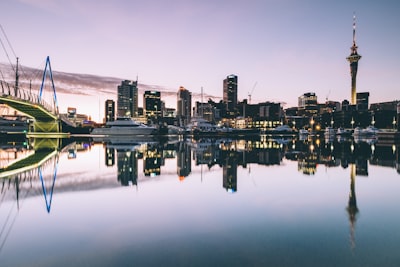
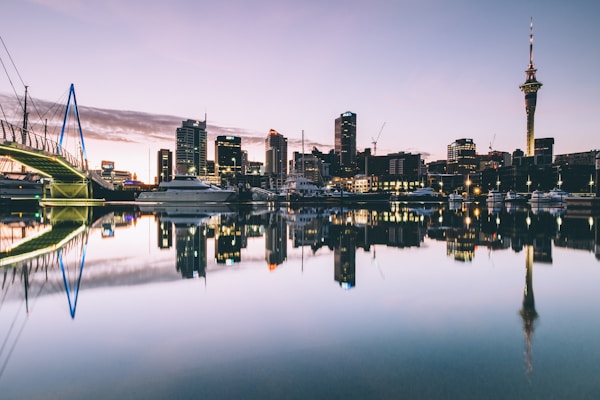
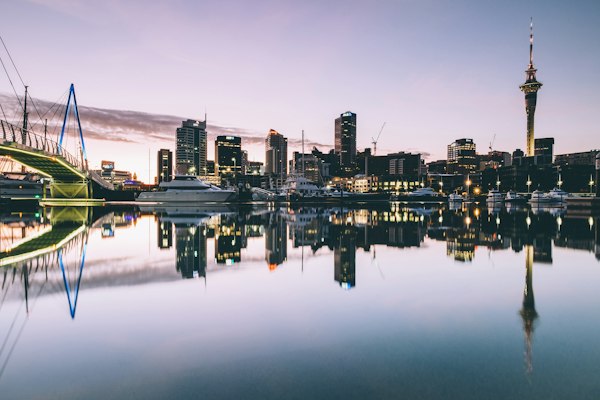
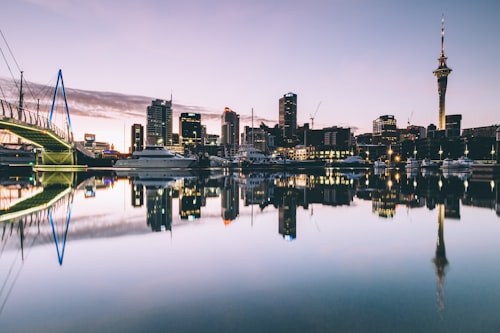
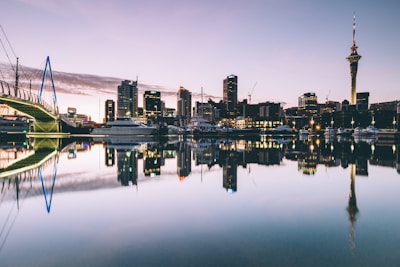
New Zealand's largest city (1.7 million people, 35% of the country's population) spread across 53 volcanic cones. The Sky Tower observation deck, the Waiheke Island ferry (45 mins, vineyards and beaches), the Viaduct Harbour, and the Auckland Museum (Māori taonga collection) are the essentials. Auckland is the gateway city — most Australian flights arrive here. Allow 2 nights before heading south or east.
Rotorua — Geothermal Heart of NZ
Rotorua is New Zealand's most concentrated Māori cultural destination and its most geologically dramatic city — the entire town smells of sulphur from the geothermal activity beneath it. Te Puia (Māori cultural performance + Pohutu Geyser, the largest active geyser in the Southern Hemisphere), the Wai-O-Tapu thermal wonderland (champagne pool, Artist's Palette, Lady Knox Geyser), and the Whakarewarewa Living Māori Village are all within 30 minutes of the town centre. Polynesian Spa (outdoor geothermal pools on the shores of Lake Rotorua) is the finest hot spring experience in New Zealand outside of a private lodge pool.
Tongariro Alpine Crossing
The Tongariro Alpine Crossing is New Zealand's most celebrated day hike — 19.4km across the volcanic plateau of Tongariro National Park (a dual World Heritage site for both natural and cultural significance), passing the emerald and blue Crater Lakes, the Red Crater (the highest point at 1,886m), and the Ketetahi thermal area. The crossing requires clear weather to be safe — it is routinely closed in cloud, rain, or high wind. Book shuttle transport from Taupo or National Park Village; check the Department of Conservation forecast the evening before.
Hawke's Bay & Marlborough
New Zealand's two finest wine regions — Hawke's Bay (Napier's Art Deco city, Gimblett Gravels red wines, Mission Estate, the oldest winery in NZ) and Marlborough's Wairau Valley (90% of all New Zealand Sauvignon Blanc; Cloudy Bay, Brancott Estate, Whitehaven). Both are excellent for self-drive vineyard circuits.
The North Island is generally undervisited by Australians who go straight to the South Island. Tongariro, Rotorua, and the Coromandel Peninsula (Cathedral Cove, Hot Water Beach) are collectively as rewarding as most of the South Island, with significantly fewer international tourists.
New Zealand South Island Milford Sound Fiordland mountains reflection
⛰ SOUTH ISLAND
Te Wai Pounamu — Fiords, Alps & Wild Coast
Queenstown — Adventure & Alpine
Queenstown sits on the shore of Lake Wakatipu, ringed by the Remarkables range — it is the world's self-styled “adventure capital”, and the claim holds. AJ Hackett bungy (Kawarau Bridge, the world's first commercial bungee site); Coronet Peak and The Remarkables ski fields (June–September); the Skyline gondola; jet boating in the Shotover River canyon. In summer, the Queenstown Trail cycling network, lake kayaking, and the Ben Lomond hike (half-day, summit views to the Fiordland peaks) are the best non-adrenaline options. Arrowtown (20 minutes, historic gold rush town, finest autumn colour in NZ) and Gibbston Valley (pinot noir heartland, 30 minutes east) extend any Queenstown stay.
Milford Sound — Piopiotahi
Milford Sound is the world's wettest inhabited place (7,000mm of rain annually — more than double London's total, falling in roughly 200 days). The rain is the point: the waterfalls that cascade off 1,200m vertical cliffs are fed by it, the forest on every cliff face is saturated emerald-green because of it, and the wildlife (Fiordland crested penguins, NZ fur seals, bottlenose dolphins) thrives in it. A boat cruise (1.5–2.5 hours, multiple operators) is the standard experience. Kayaking in the inner fiord gives a more intimate perspective; an overnight cruise (anchored in the fiord, kayaking at dawn in mirror-still water before day boats arrive) is the finest version of this experience.
Franz Josef & Fox Glaciers
Two valley glaciers on the West Coast that descend from the Southern Alps to near sea level through temperate rainforest — a geological anomaly that exists nowhere else at this latitude. Helicopter-accessed ice walks and heli-hike experiences (ice axes, crampons, guide included, 3–5 hour excursion) offer direct glacier surface access. The glaciers have retreated significantly since the 1990s — the ice walks that were previously accessible on foot now require helicopter access.
Abel Tasman & the Marlborough Sounds
The Abel Tasman Coast Track (3–5 days, golden sand beaches, water taxi access between stages) is New Zealand's most popular Great Walk. The Marlborough Sounds (Queen Charlotte Track, sea kayaking in the sheltered bays, the Interislander ferry crossing from Wellington) provide a gentler and equally beautiful northwest counterpoint to the drama of Fiordland further south.
The Milford Road (State Highway 94, Te Anau to Milford Sound, 119km, 1h 45min) is one of the world's great scenic drives — the Homer Tunnel, Mirror Lakes, and the Hollyford Valley. Drive it both ways; the light is different in each direction and the landscape never repeats itself exactly.
The Pacific

Pacific Islands — Choose Your Island

The Pacific Islands offer a travel category that exists nowhere else on earth — overwater bungalows, world-class diving, and extraordinary resort experiences within five hours of Brisbane. Here is how to choose between them.
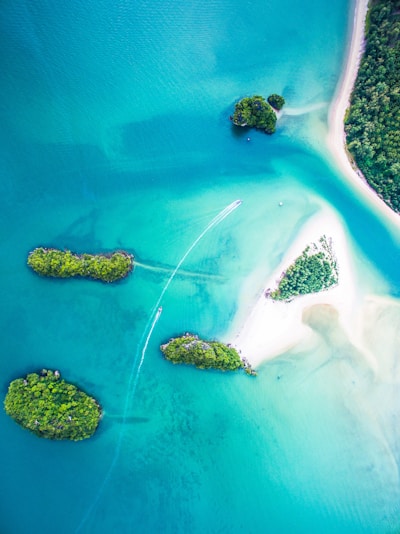
Fiji Yasawa overwater bungalow soft coral turquoise
🇫🇯 333 Islands · 3.5hrs from Brisbane
Fiji

Fiji is the closest tropical island destination to Australia — 3.5 hours from Brisbane, visa-free, with resorts across a price spectrum from backpacker bures on the Yasawa Islands to Six Senses Fiji (one of the finest wellness resorts in the Pacific). The diving in Fiji — particularly around the Bligh Waters (the passage between the main island Viti Levu and the northern island group) and Namena Marine Reserve — is considered the world's “soft coral capital”: the density and colour of soft coral is unmatched anywhere in the Pacific. The Mamanuca Islands (closest to Nadi, Monuriki Island where Cast Away was filmed) and the Yasawa chain (more remote, fewer resorts, more authentic) represent different ends of the Fijian island experience.

Best For
Diving & Families
Peak Season
May – October
Budget
Mid – Luxury
Currency
FJD (AUD accepted)
🌊The Yasawa Flyer fast ferry connects the Yasawa chain daily from Port Denarau, Nadi — island-hopping without flying is entirely feasible. Six Senses Fiji (Malolo Island) and Kokomo Private Island are the finest luxury properties.
Bora Bora French Polynesia overwater bungalow lagoon
🋏 French Polynesia · 5.5hrs from Sydney
Bora Bora & French Polynesia

Bora Bora is the original overwater bungalow destination — the concept was invented here in 1967 at the Hotel Bora Bora — and its lagoon, rated the most beautiful body of water on earth, is genuinely that. The turquoise-to-cobalt gradation of the Bora Bora lagoon, the volcanic peak of Mount Otemanu above it, and the complete silence (no road noise, no crowds, the Pacific lapping beneath your bungalow floor) is the definitive Pacific luxury experience. Tahiti (capital: Papeete, gateway airport with Air Tahiti Nui flights from Sydney and Auckland) is the entry point; internal flights connect Bora Bora (20min), Moorea (8min, or 30min ferry), and the Marquesas (3.5hrs, for the most dramatic volcanic island scenery in the Pacific). French Polynesia uses the CFP franc but all resorts price in USD; it is the most expensive Pacific destination.

Best For
Honeymoons & Luxury
Peak Season
May – October
Budget
Ultra-luxury
Best resort
Four Seasons Bora Bora
The Four Seasons Bora Bora and the St Regis Bora Bora are consistently rated the finest overwater bungalow resorts on earth. Book 6+ months ahead for peak season (July–August). The Le Taha'a Island Resort on a motu near Ra'iatea is a less-visited alternative with equivalent quality.
Vanuatu diving volcano Pacific islands culture
🇻🇺 Vanuatu · 3hrs from Brisbane
Vanuatu

Vanuatu is the Pacific's most underrated destination — three hours from Brisbane, visa-free, with the world's most accessible large wreck dive (SS President Coolidge, 212m long, 15–70m depth, accessible from shore on Santo island), an active volcano you can walk to the rim of (Mount Yasur on Tanna island, one of the world's most accessible active volcanoes), and a genuinely distinct Melanesian culture (83 languages across 80 inhabited islands) that Fiji and French Polynesia largely do not offer. Espiritu Santo has the finest beaches in the Pacific — Champagne Beach and Million Dollar Point (where the US military dumped surplus WWII equipment into the sea, now a snorkel site). Port Vila on the main island (Efate) has the resort concentration; serious divers and volcano visitors must fly to their respective islands.

Best For
Divers & Adventurers
Wreck dive
SS President Coolidge
Volcano
Mt Yasur, Tanna
Budget
Budget – Mid
Cook Islands Aitutaki lagoon turquoise motu Pacific
🇨🇰 Cook Islands · 4hrs from Brisbane
Cook Islands

The Cook Islands offer the closest approximation to French Polynesia at a fraction of the price — the lagoon of Aitutaki (the outer atoll, 45-minute flight from Rarotonga) is frequently cited alongside Bora Bora as one of the Pacific's finest, with a ring of motus (sand islets) enclosing a vast turquoise shallows and one of the Pacific's best snorkel sites at the edge of the reef drop-off. Rarotonga (the main island, population 14,000) has a lush interior ringed by mountains, a 32km coastal road, and a laid-back Polynesian character that genuinely earns the description. The Cook Islands are a self-governing territory in free association with New Zealand; New Zealand currency is used; English is widely spoken. Aitutaki lagoon day cruises from Rarotonga (including snorkelling, motu visit, and seafood BBQ) are the signature experience.

Best For
Couples & Honeymooners
Highlight
Aitutaki Lagoon
Currency
NZD
Budget
Mid – Luxury
Samoa tropical palm beach Pacific island culture
🇼🇸 Samoa · 4.5hrs from Brisbane
Samoa

Samoa is the most culturally intact and least tourism-homogenised Pacific island destination — the fa'asamoa (Samoan way of life) is alive and visible in every village, in the open-sided fale architecture, in the Sunday umu (underground oven feast), and in the extraordinary To Sua Ocean Trench (a perfectly circular swimming hole plunging 30 metres into the earth, connected to the sea by an underground lava tube — one of the Pacific's most singular natural experiences). Savai'i (the larger, quieter island, 2-hour ferry from Apia) has lava fields, blowholes, and an archaeological platform complex (Pulemelei Mound, the largest ancient structure in Polynesia) that most visitors never reach. Samoa is the most genuinely “off the beaten path” accessible Pacific destination within five hours of Brisbane.

Best For
Culture & Adventure
Highlight
To Sua Ocean Trench
Budget
Budget – Mid
Season
May – October
Lord Howe Island World Heritage Australia Pacific ocean
🇦🇺 Lord Howe Island · 2hrs from Sydney
Lord Howe Island

Lord Howe Island — a UNESCO World Heritage site (1982), the world's southernmost coral reef, 400 permanent residents, and a strict cap of 400 tourists at any time — is one of Australia's finest and most underknown travel destinations. The lagoon (enclosed by the world's most southerly coral reef on three sides) is warm, protected, and snorkelled at arm's length from the beach; the kentia palm forest is found nowhere else on earth; Mount Gower (875m, guided summit walk, full day) is the most beautiful mountain hike in Australia east of the Snowy Mountains. The accommodation cap means it never feels crowded; the no-traffic culture (most residents and all tourists move by bicycle) means it genuinely feels removed from the 21st century.

Visitor cap
400 at any time
Highlight
Mt Gower summit walk
Fly from
Sydney (2hrs)
UNESCO
1982 · Natural
Itineraries

Oceania Grand Tour Itineraries

The continent's greatest advantage for Australian travellers: all of these itineraries are achievable without long-haul flights, at Australian prices, with no visa requirements, and no jet lag adjustment.

⌛ 10 Days · The Queensland Reef Circuit
Reef, Rainforest & Islands
🇦🇺
Days 1–2
Cairns — Arrive, settle, eat at Night Markets. Book outer reef day trip for tomorrow at first light (Silversea Cruises / Tusa Dive to Agincourt Reef).
Day 3
Outer Reef — Full-day pontoon visit to Agincourt Ribbon Reef. Snorkel, introductory dive, semi-sub. Return Cairns for seafood dinner.
Days 4–5
Daintree & Cape Tribulation — Self-drive north. Daintree River cruise (crocodiles, birdlife, dawn). Cape Tribulation beach where rainforest meets reef — night at Daintree Ecolodge.
Days 6–9
Whitsunday Islands — Fly Cairns to Proserpine. 3-night sailing charter from Airlie Beach. Whitehaven Beach, Hill Inlet viewpoint, snorkelling Bait Reef, sunset at anchor.
Day 10
Hamilton Island — Resort day before evening flight back to Brisbane. Sunset at the yacht club. Fly home.
Book This Itinerary →
⌛ 14 Days · New Zealand South Island Complete
Queenstown to Christchurch
🇳🇿
Days 1–3
Queenstown — Arrive, AJ Hackett bungy, Skyline gondola, Queenstown Trail bike. Arrowtown afternoon. Gibbston Valley pinot noir dinner.
Days 4–5
Milford Sound — Drive Te Anau (1.5hrs from Queenstown). Day 2: Milford Road scenic drive, 2-hr boat cruise. Overnight Fiordland National Park.
Days 6–7
Wanaka & Mt Aspiring — Wanaka township, Roys Peak hike (sunrise start), Puzzling World. Day 2: Mt Aspiring valley drive, Roy's Peak sunset.
Days 8–9
West Coast Glaciers — Drive Haast Pass. Fox Glacier heli-hike (3hrs on glacier with guide). Franz Josef village, overnight. Helicopter flight the following morning if clear.
Days 10–11
Aoraki / Mt Cook — Drive south via Hokitika. Aoraki/Mt Cook National Park: Hooker Valley Track (flat, 5hrs, dramatic Mt Cook views). Tasman Glacier boat tour.
Days 12–14
Christchurch & Peninsula — Drive via Lake Tekapo (Church of the Good Shepherd, Mackenzie Basin stargazing). Christchurch 1.5 days: Botanic Gardens, Cardboard Cathedral, Banks Peninsula/Akaroa (French settlement, Hector's dolphins). Fly home.
Book This Itinerary →
⌛ 21 Days · The Oceania Grand Tour
Australia + NZ + Pacific
🇦🇺 🇳🇿 🇫🇯 🋏
Days 1–4
Queensland Reef — Cairns base: outer reef liveaboard (2 nights), Daintree day tour, fly Whitsundays. 1 night Hamilton Island.
Days 5–7
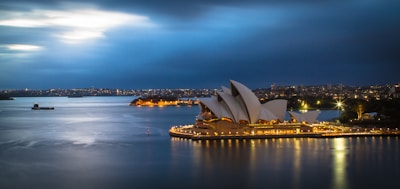
Sydney — Fly from Hamilton Island via Brisbane. Opera House, Bondi, Manly Ferry, Blue Mountains day trip (Three Sisters, Scenic Railway).
Days 8–11
New Zealand South Island — Fly Christchurch. Hire car south: Aoraki/Mt Cook, Queenstown, Milford Sound day drive. Fly Auckland.
Days 12–14
Auckland & Northland — Auckland 1 day, Waiheke Island. Drive Northland: Cape Reinga, 90 Mile Beach, giant kauri forest at Waipoua (Tane Mahuta, the world's largest kauri).
Days 15–17
Fiji Yasawa Islands — Fly Nadi. Yasawa Flyer fast ferry north. 3 nights Navutu Stars or Turtle Island resort. Diving, snorkelling, genuine seclusion.
Days 18–21
Bora Bora, French Polynesia — Fly Nadi to Papeete, internal flight to Bora Bora. 4 nights Four Seasons or St Regis overwater bungalow. Lagoon snorkel tour, manta ray dive, sunset from the motu. Fly home via Papeete-Sydney.
Book This Itinerary →
What to Do

Oceania’s Unmissable Experiences

From the world's largest reef to the southernmost active volcano you can stand on the rim of — within five hours of home.

Great Barrier Reef snorkelling fish coral
Snorkel or Dive the Outer Reef

The outer reef of the Great Barrier Reef — at least 90 minutes by boat from shore — has a coral density and marine life diversity that the inner reef cannot match. The first time you put your face in the water and see the wall of colour and movement below is genuinely one of the world's great sensory experiences. Get on a boat; go to the outer reef; go early.

Year-round · Best June–October
Milford Sound New Zealand fiord kayak boat
Milford Sound by Kayak at Dawn

The overnight cruise into Milford Sound — anchored in the fiord, launching kayaks at 6am in mirror-still water before the day boats arrive — is the finest way to experience New Zealand's most famous landscape. The silence is total. The waterfalls are audible from 500 metres. The cliff faces drop sheer from above into black water below your hull. This is the version that sticks.

Year-round · Overnight cruise
Tongariro Alpine Crossing New Zealand volcanic crater lakes
Tongariro Alpine Crossing

19.4km across the volcanic plateau of the world's fourth oldest national park — past the Emerald Lakes, over the Red Crater rim, through the mineral-streaked steam vents of the South Crater. On a clear day, from the highest point, you can see both coasts of the North Island. It is a hard day’s walk, and one of the world's finest.

Oct–April optimal · Shuttle required
Bora Bora overwater bungalow sunrise Pacific lagoon
Overwater Bungalow at Sunrise

Waking in an overwater bungalow in Bora Bora or the Cook Islands — the sun rising over the outer reef into your glass-floored bedroom, the lagoon moving slowly below, a ray gliding through the coral visible through the floor panels — is the experience that defined Pacific luxury travel and has been replicated everywhere else in the world with variable success. The original still does it best.

Year-round · Book 3–6 months ahead
Uluru Kata Tjuta sunrise red desert Australia
Uluru at Dawn & Dusk

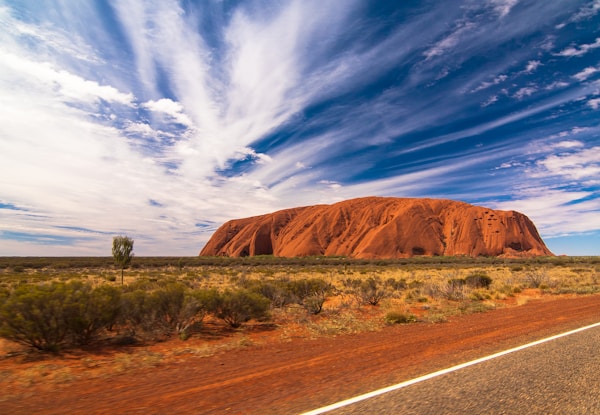
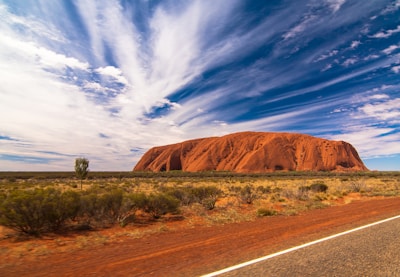
Uluru changes colour — from deep red at noon through orange to a blazing crimson-to-purple sequence in the last 20 minutes before sunset. The Field of Light installation (Bruce Munro's 50,000-stem solar-lit field, surrounding the base at night) turns the desert into an aurora. Walking the 10.6km base walk at dawn — before any other tourists, with the rock face illuminated from directly ahead — is the finest approach to Australia's most significant natural landmark.

Year-round · Dawn and dusk best
Fiji diving soft coral reef fish tropical
Diving Fiji’s Soft Coral

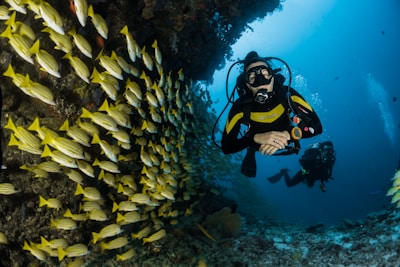
The soft coral reefs of Fiji's Bligh Waters and Namena Marine Reserve — rated the world's finest concentration of soft coral by multiple international dive organisations — produce a colour density underwater that cannot be photographed accurately (the camera always underexposures the pinks, purples, and reds that the eye sees at depth). At 15 metres in Fiji, the soft coral covers every surface in every direction. It is not like anything else in any ocean.

Year-round · May–Oct best visibility
Mount Yasur Vanuatu volcano eruption rim active
Mount Yasur — The Accessible Volcano

Mount Yasur on Tanna island, Vanuatu is one of the world's most accessible active volcanoes — a 4WD truck from the island's airstrip delivers you to the rim crater in 20 minutes, and you stand at the crater edge watching lava bombs arc 200 metres into the air and crash back into the caldera every 5–15 minutes. A level system (1–4) determines how close to the rim you can approach. At Level 1, you are 50 metres from active lava ejections. It is not subtle.

Year-round · 4.5hrs Brisbane to Tanna
Whitehaven Beach Whitsundays Australia silica sand aerial
Whitehaven Beach

Whitehaven Beach — 7km of 98% pure silica sand (so fine and white it is used for NASA lens calibration) on Whitsunday Island — is one of the world's genuinely exceptional beaches. The silica is cool to the touch even in direct sun; the water is warm; the Hill Inlet end offers the swirling tidal sandbank that is the region's most famous image. Arrive by seaplane from Hamilton Island for the aerial approach, or by sailboat for the overnight anchor experience.

Year-round · April–November best
When to Travel

Oceania Through the Seasons

The strategic advantage for Australian travellers: Oceania’s seasons align with Australia’s — there is no hemisphere flip, no inverted summer, and no 12-hour jet lag adjustment on arrival.

Reef & Queensland — Dry Season
April – October

The Great Barrier Reef's optimal window is the Queensland dry season — April through October. Lower humidity, calmer seas, clearer water (visibility up to 40m on the outer reef in June–August), and minimal cyclone risk. July–August is peak season for liveaboard bookings; June and September are the best balance of excellent conditions and slightly reduced demand. The Whitsundays are pleasant year-round but sailing is best in the south-easterly trade winds of June–September. The wet season (November–March) brings higher humidity, more dramatic skies, and box jellyfish risk in the inshore waters — stinger suits are required for swimming off beaches north of 1770 in this period.

New Zealand — Summer Hiking Season
November – March

New Zealand's summer (November–March) is the optimal hiking season — the Tongariro Alpine Crossing, the Routeburn and Milford tracks (Great Walks), and all backcountry hut routes are fully open. Days are long (16–17 hours of light in December), temperatures are pleasant (18–24°C in most lowland areas), and the glaciers are accessible. December–January coincides with Australian school holidays and NZ's domestic peak — book DOC hut passes for the Great Walks 6 months ahead for this window. Ski season (June–September) is excellent for Australian snowseekers: Queenstown's Coronet Peak and The Remarkables, Wanaka's Cardrona, and the North Island's Turoa and Whakapapa on Mt Ruapehu.

🌊
Pacific Islands — Dry Season
May – October

For Fiji, French Polynesia, Vanuatu, Cook Islands, and Samoa: May–October is the dry season — cooler (25–28°C), lower humidity, clearest dive visibility, and lowest cyclone risk. This is also when trade winds make sailing conditions in the Cook Islands and French Polynesia excellent. The wet season (November–April) is warmer (30–33°C), has higher humidity, and brings cyclone risk (January–March in the South Pacific). The wet season does not preclude travel — the showers are typically short and intense, and the underwater visibility remains good — but resort prices are 20–35% lower and advance booking less critical.

NZ Ski Season
June – September

New Zealand's ski season (June–September) is the most convenient and fastest-growing international ski destination for Australians — Queenstown is 3 hours from Brisbane with no altitude acclimatisation, no jet lag, same currency, same language, and world-class powder conditions in good years on Coronet Peak, The Remarkables, and Cardrona. The 2023 and 2024 seasons delivered excellent conditions. August is peak ski season; mid-June and September offer cheaper lift passes and less crowded slopes. Combine with Milford Sound (accessible year-round, dramatic in winter light) and a Doubtful Sound overnight cruise for a complete Fiordland winter experience.

Expert Tips for Oceania

From our team who have dived the Cod Hole, kayaked Milford Sound at dawn, and watched the sun set over Uluru from a table at Longitude 131° — the insights that matter most.

01
Stop Flying Past Your Own Backyard

The statistical reality of Australian travel is that most people have been to Bali, Phuket, London, and Paris before they have seen the Great Barrier Reef from a boat, walked the Tongariro Crossing, or watched the sun set at Uluru. There is a cultural tendency to under-value proximity — the subconscious logic that something requiring a 22-hour flight must be more significant than something three hours away. It is not. The Great Barrier Reef is one of the world's seven natural wonders. Milford Sound is one of the world's finest landscapes. Uluru is one of the world's most significant natural and cultural sites. The fact that they are close is the advantage, not the diminishment. Use it.

02
Go to the Outer Reef, Not the Inner

Most Great Barrier Reef day-trippers visit the inner reef — the coral shoals and bommies within a short boat ride of the coast. The inner reef has suffered the most bleaching and is the most affected by agricultural run-off and coastal development. The outer reef — at least 90 minutes from Cairns or Airlie Beach — retains spectacular coral health and dramatically higher marine life density. Booking a liveaboard (2–7 nights, departing Cairns) puts you on the outer reef at dawn and dusk when day-trip boats are absent, in conditions that deliver the reef that David Attenborough programmes are made about. It is also not as expensive as it sounds: a 3-night Spirit of Freedom liveaboard costs less per day than a Cairns resort with day-trip add-ons.

03
Book Milford Sound Overnight, Not Day Trip

Milford Sound receives 250+ visiting coaches and 1,500+ day visitors daily in peak season. The overnight cruise — anchored in the fiord from 10pm to 6am — delivers a fundamentally different experience: the fiord in stillness after the day boats have left, the waterfalls audible rather than drowned by engine noise, a dawn kayak in conditions that look nothing like the photographs on the day-trip brochures. Real Journeys and Fiordland Navigator both operate excellent overnight vessels; book 3–4 months ahead for December–February and any school holiday period. The overnight option costs A$250–350 per person including dinner, breakfast, and kayak access — one of the finest travel value propositions in New Zealand.

04
Bora Bora at Shoulder Season

Bora Bora in July and August — the trade-wind dry season, coinciding with European and American summer holidays — is peak season at the Four Seasons, St Regis, and Intercontinental Bora Bora. Overwater bungalows book out 6–12 months ahead; rates are at their annual maximum. The shoulder season (May–June and September–October) has near-identical weather, the same turquoise lagoon, and rates 25–40% below peak. The water temperature varies by only 2–3°C between the seasons; the trade winds are present in May–June and September in any case. Book shoulder season, save substantially, and avoid the peak-season resort density. November–April (wet season) brings occasional rain and lower rates still — perfectly acceptable for non-divers and couples who are not primarily there for sailing or kitesurfing.

Before You Go

Visas, Flights & Practicalities

Oceania is the world’s most accessible travel region for Australians — no visa applications for any mainstream destination, no long-haul flights, no jet lag, and currencies either identical or highly favourable.

Destination Entry Flight Key Notes for Australian Travellers
New Zealand 🇳🇿 ✓ No Visa 3–4hrs from Brisbane Australian citizens have the right to live and work in New Zealand indefinitely under the Trans-Tasman Travel Arrangement — no visa, no immigration form, no advance registration. Present Australian passport at arrival. NZD currently trades at approximately A$0.90 — New Zealand is slightly cheaper than Australia for most travel costs. Qantas, Air New Zealand, Jetstar, and Virgin all operate multiple daily Brisbane–Auckland and Brisbane–Christchurch services; return fares start from A$250 in off-peak. Auckland is the main gateway; Christchurch is the better entry point for a South Island–focused itinerary. Hire car at the airport; all roads are well-sealed and well-signed. International driving licence not required for Australians (Australian licence valid).
Fiji 🇫🇯 ✓ Visa Free 3.5–4hrs from Brisbane Australians receive a free visa on arrival valid for 4 months. Present Australian passport and a return/onward ticket at Nadi International Airport (NAN). The Fijian dollar (FJD) trades at approximately A$0.70; Fiji is notably cheaper than Australia for food, activities, and mid-range accommodation. AUD is accepted at most tourist-facing businesses. Qantas, Fiji Airways, Jetstar, and Virgin operate the Sydney–Nadi and Brisbane–Nadi routes; return fares start from A$450 in shoulder season. The resorts on Denarau Island (closest to Nadi airport) are the most convenient; the Yasawa and Mamanuca Islands require a Yasawa Flyer fast ferry connection (Port Denarau, daily departures from 8am) or a seaplane (20–45 minutes to most island groups). Yellow fever certificate required if arriving from a yellow fever endemic country.
French Polynesia 🋏 ✓ Visa Free 5.5–6hrs from Sydney Australians can enter French Polynesia visa-free for up to 90 days (it is a French Overseas Collectivity, so French visa rules apply for EU/non-EU nationals; Australians fall under the 90-day visa-exempt category). The main gateway is Faaa International Airport in Papeete, Tahiti. Air Tahiti Nui operates direct Sydney–Papeete and Auckland–Papeete services; fares start from A$900 return. Qantas codeshares on the Air Tahiti Nui route. Internal flights to Bora Bora (20 min), Moorea (8 min), Huahine, Ra’iatea, and the Marquesas (3.5 hrs) are operated by Air Tahiti (domestic only) — book internal flights well ahead as they sell out. French Polynesia uses the CFP franc (XPF); all resorts price in USD. It is the most expensive Pacific destination — budget A$600–2,000+ per person per night for overwater bungalow resorts.
Vanuatu 🇻🇺 ✓ Visa Free 3hrs from Brisbane Australians receive a free 30-day visa on arrival at Port Vila’s Bauerfield Airport (VLI). The Vanuatu vatu (VUV) trades at approximately A$0.013; Vanuatu is one of the Pacific’s most affordable destinations for food and local activities. Qantas, Air Vanuatu, and Virgin operate Brisbane–Port Vila routes; return fares start from A$500. For Espiritu Santo (SS President Coolidge wreck diving) and Tanna (Mount Yasur volcano), internal Air Vanuatu flights connect from Port Vila (40–55 minutes). The volcano tour on Tanna is typically organised through local operators in Lenakel town; 4WD transport to the crater rim is included. Check DFAT travel advice before departure for current situational alerts.
Cook Islands 🇨🇰 ✓ Visa Free 4–4.5hrs from Brisbane Australians receive a free 31-day visa on arrival at Rarotonga International Airport (RAR). The Cook Islands use the New Zealand dollar (NZD) — no currency exchange required for most Australians carrying NZD or credit cards. Qantas, Air New Zealand, and Virgin operate Sydney–Rarotonga and Melbourne–Rarotonga routes; Brisbane connections are typically via Auckland or Sydney. Internal flights to Aitutaki (Air Rarotonga, 45 minutes) must be booked separately — seats are limited on the small prop aircraft and sell out 4–8 weeks ahead in peak season. The Aitutaki Lagoon Cruise (full-day catamaran, snorkelling at Honeymoon Island, BBQ lunch on a motu) is the signature Cook Islands experience; book through the resort or operators on arrival in Rarotonga.
Flights from Brisbane
  • Queensland (internal): Cairns 2hrs, Hamilton Island 1.5hrs, Townsville 1.5hrs. Jetstar, Qantas, and Virgin operate multiple daily services; fares from A$120 return in sale periods.
  • New Zealand: Auckland 3hrs, Christchurch 3.5hrs, Queenstown 3hrs. Qantas, Air New Zealand, Jetstar; return from A$250. Fly into Queenstown directly for a South Island–first itinerary.
  • Fiji: Nadi 3.5hrs direct. Qantas, Fiji Airways, Jetstar; return from A$450. Multiple daily departures. Book direct Nadi for Denarau Island resorts; Yasawa Islands require further ferry connection.
  • French Polynesia: Papeete via Sydney (5.5hrs total) or Auckland (9hrs total). Air Tahiti Nui; from A$900 return from Sydney. Bora Bora requires 20-minute Air Tahiti internal connection from Papeete.
  • Vanuatu: Port Vila 3hrs direct. Qantas, Virgin, Air Vanuatu; from A$500 return. Internal flights to Santo (Coolidge wreck) and Tanna (Yasur volcano) 40–55 minutes from Vila.
  • Best booking window: 6–10 weeks ahead for domestic QLD and NZ routes; 10–16 weeks for Pacific Islands in peak season (July–August, December–January school holidays).
💲
Budget Guide — What Oceania Costs
  • Queensland reef travel: Budget A$150–200/day (backpacker accommodation + day tours). Mid-range: A$280–400/day (3-star accommodation, liveaboard diving, reef day trips). Luxury (Hamilton Island resort + seaplane + private reef experiences): A$800–2,000+/day.
  • New Zealand: Budget self-drive A$120–180/day (campervans, DOC hut passes for Great Walks, supermarket cooking). Mid-range A$250–380/day (motel/holiday lodge, restaurant meals, guided activities). Luxury lodges (Blanket Bay, Huka Lodge, Kauri Cliffs): A$1,500–3,500/night all-inclusive.
  • Fiji: Budget bure on the Yasawa Islands from A$80/night (meals included at most). Mid-range island resort: A$250–450/night. Premium resorts (Six Senses, Kokomo Private Island, Turtle Island): A$1,200–4,000+/night (all-inclusive).
  • French Polynesia: Budget travel is difficult — even the cheapest guesthouses (pensions) on Moorea start at A$150/night. Overwater bungalows: A$700–2,500+/night. Plan a minimum A$600/person/day for any French Polynesia itinerary. Its value is luxury and uniqueness, not price.
  • Saving on Pacific Islands: Travel in the shoulder season (May–June or September–October) for 20–35% lower resort rates vs July–August peak. Most Pacific resorts are all-inclusive — budget once at booking rather than daily. Book direct with the resort for best-rate guarantees.
🔐
Health, Safety & Getting Around
  • Medicare & EHIC — NZ only: Australia and New Zealand have a reciprocal health agreement — Australians are eligible for immediately necessary public hospital treatment in NZ. Travel insurance is still strongly recommended for evacuation coverage and trip cancellation. No other Pacific destination has a reciprocal health agreement with Australia.
  • Vaccinations: No mandatory vaccinations for NZ, Fiji, Cook Islands, or French Polynesia for Australians. Yellow fever certificate required if arriving from a yellow fever endemic country (relevant for travellers combining South America with Pacific). Hepatitis A and typhoid vaccinations recommended for Vanuatu and Samoa. Consult your GP 6–8 weeks before departure.
  • Marine hazards — Queensland: Box jellyfish (Chironex fleckeri) are present in inshore north Queensland waters November–April. Stinger suits are mandatory at many beaches in this period. The outer reef is stinger-free year-round. Irukandji jellyfish (tiny, dangerous) can be present even on the reef in warm months — wear a stinger suit for all snorkelling and diving in this period.
  • Driving in NZ: Drive on the left (same as Australia). Australian driver’s licence valid. NZ roads are narrow, winding, and dramatically scenic — allow double the time suggested by maps. The Milford Road (SH94) and the Crown Range Road (Queenstown–Wanaka) both require careful driving. A campervan (Jucy, Britz, Maui) is the most flexible and cost-effective way to travel the South Island; book 3–4 months ahead for December–January.
  • Cyclone season: November–April is cyclone season across the South Pacific (Fiji, Vanuatu, Cook Islands, Samoa, Tonga). The risk is real but manageable — travel insurance with cyclone cancellation cover is essential if travelling in this window. Most resort islands have structured cyclone protocols. Check BOM (Bureau of Meteorology) Pacific outlook before departure.

G’day from your own
back yard.
The world’s finest ocean is right here.

Our Oceania specialists have dived the Cod Hole at dawn, kayaked Milford Sound before the first day boat arrived, watched Mount Yasur throw lava 200 metres into the night sky, and spent four nights at anchor in the Bora Bora lagoon in an overwater bungalow where the only sound was the reef. We have been sending Australians into their own region — and the Pacific around it — for 35 years. We know which Whitsunday charter skipper finds the wind, which Fiji island resort genuinely earns its all-inclusive rate, and which Queenstown guide will show you the mountain views the tourists on the gondola never see. Let us design your Oceania.

Start Planning My Oceania Trip Call 0409 661 342

Trusted by 50,000+ Australian travellers · ATAS Accredited · 35+ Years

Explore More

More World Travel Guides

Asia Japan Tokyo temples
Continent Guide
Asia Travel Guide 2026
South America Machu Picchu Peru
Continent Guide
South America Travel Guide 2026
Europe Neuschwanstein Germany Alps
Continent Guide
Europe Travel Guide 2026
Africa Kenya safari Serengeti
Continent Guide
Africa Travel Guide 2026