Welcome to Australia - Your Ultimate Travel Adventure Awaits
Australia isn't just a destination—it's an experience that captures your imagination, transforms your perspective, and creates memories that last a lifetime. With over 28 years of expertise in Australian tourism, Cooee Tours specializes in crafting unforgettable guided tours and travel packages that showcase the very best of this extraordinary continent.
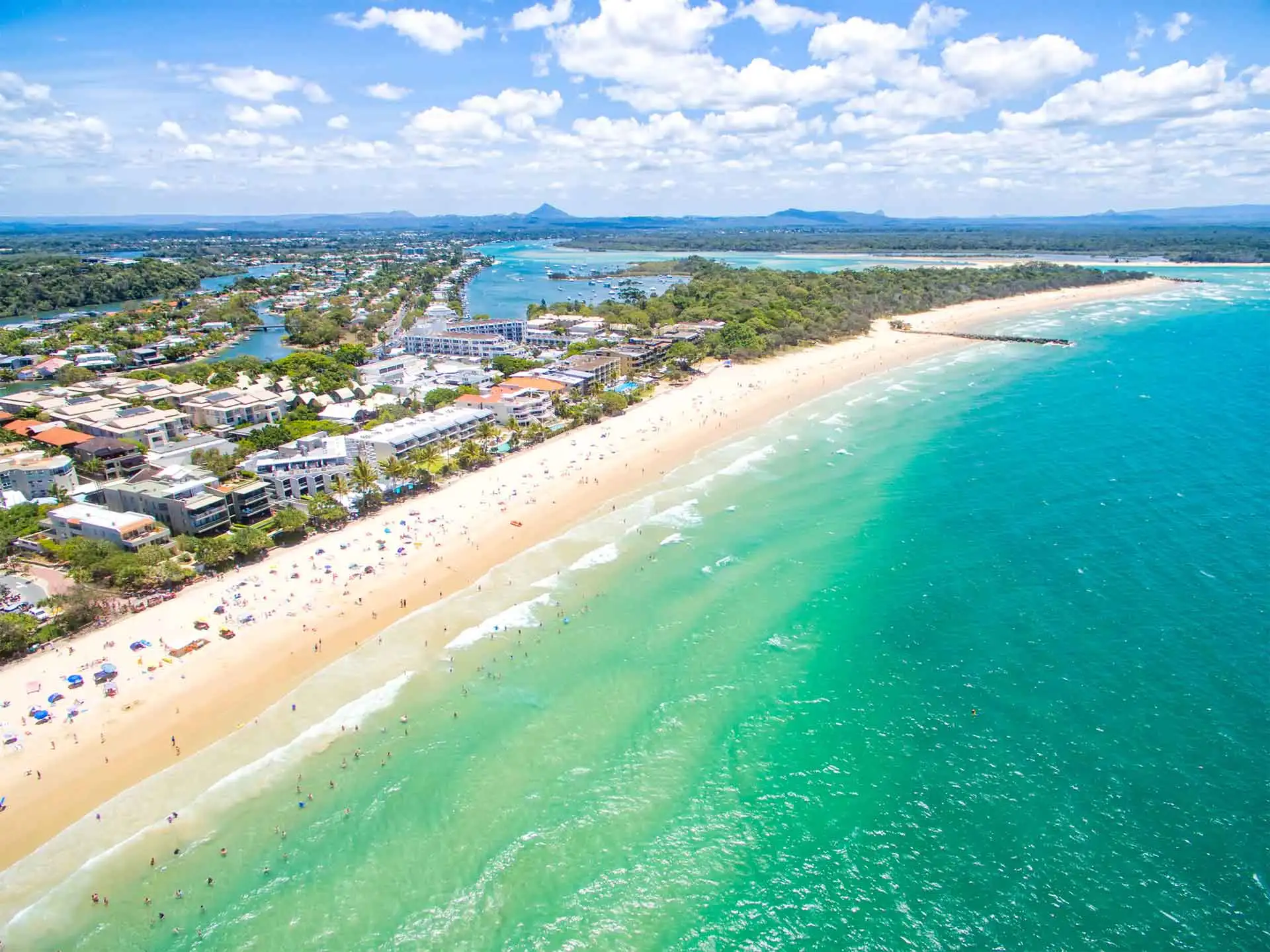
From the sun-drenched beaches of the Gold Coast and Sunshine Coast to the vibrant cosmopolitan energy of Sydney, Melbourne, and Brisbane, Australia offers an unparalleled diversity of experiences. Our expertly curated Australian tour packages take you beyond the typical tourist trails, revealing hidden gems, authentic cultural encounters, and breathtaking natural wonders that define this remarkable country.
Why Choose Cooee Tours for Your Australian Adventure?
As Australia's trusted tour operator with 28+ years of experience, Cooee Tours combines local expertise with personalized service to deliver exceptional travel experiences. Our professional tour guides are passionate Australians who bring destinations to life with insider knowledge, fascinating stories, and genuine enthusiasm for sharing their country's treasures.
🏆 Award-Winning Australian Tour Operator
Recognized for excellence in sustainable tourism, customer service, and authentic Australian experiences. Over 34,500+ satisfied travelers have explored Australia with Cooee Tours.
Comprehensive Australian Tours Across All States & Territories
Whether you're seeking coastal adventures, outback expeditions, wine region tours, wildlife encounters, or cultural immersion, our diverse range of Australian travel packages caters to every interest and travel style:
New South Wales Tours: Explore iconic Sydney landmarks including the Opera House and Harbour Bridge, discover the Blue Mountains' dramatic escarpments, relax on pristine beaches, and experience the Hunter Valley's award-winning wineries
Queensland Adventures: Snorkel the Great Barrier Reef, trek through ancient Daintree Rainforest, enjoy the tropical paradise of the Whitsundays, and soak up the vibrant atmosphere of Brisbane and the Gold Coast
The most useful way to plan Australia is to pick a primary region, decide how many full days are available and research the weather where you will actually be travelling. Australia spans different climate zones and very long distances. A plan that makes sense around Sydney and the Blue Mountains may be a poor fit for the tropical north or the Red Centre. Add a second region if the trip has room for moving between them and you know what the extra leg gives you.
Start by writing the places you have a strong reason to visit and what you hope to do in each. Put possible extras on a separate list. That list becomes a resource if weather changes or there is time left over. A route based on an initial three or four decisions can be much easier to book, read and enjoy than one based on visiting as many places as possible.
Choose a first region that suits your trip
Cities and nearby landscapes
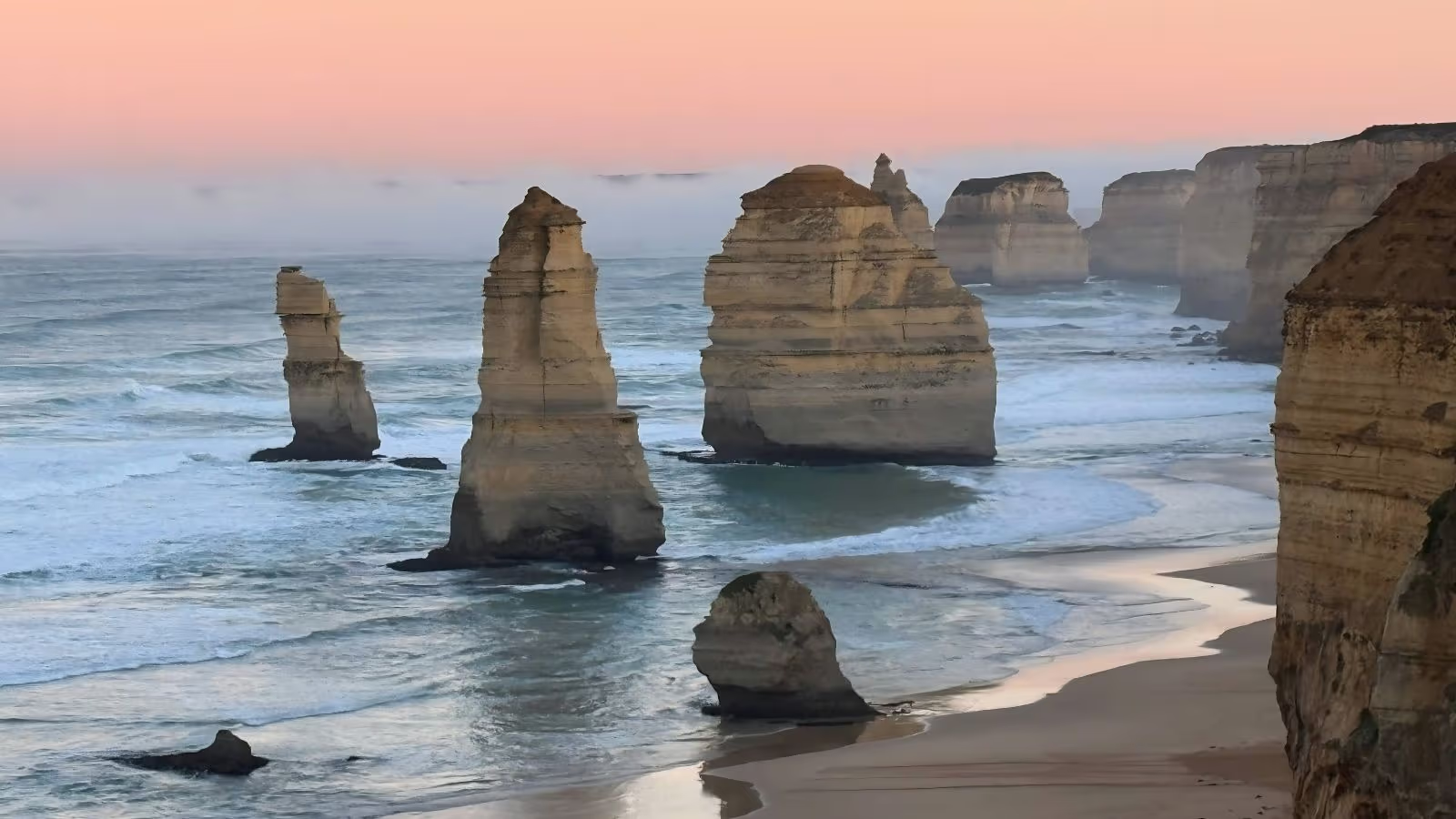
Sydney is a useful place for a city-and-harbour stay with a separately planned day in the Blue Mountains or a coastal district. Choose a base near the transport you will use, then look at how airport access, luggage and a group departure fit your booking. Melbourne gives you a different city experience and a choice of separate day trips. The Great Ocean Road takes a large share of a day. Giving it an overnight stop is a way to explore beyond the best-known lookout.
If the stay is only a few days, pick one city and give it time. Spend the first day around a compact area, plan one regional outing and use the last morning for places that do not demand a specific return time. A second city makes most sense when you have enough time to take two first-day routines and one transfer without losing the actual experiences you wanted.
Tropical Queensland
A Queensland itinerary can combine reef, rainforest and coastal towns, but the distance between each part is worth checking. From Cairns you can use one base for a marine outing and a day inland or north. Port Douglas suits a stay based further north. The Cassowary Coast and Townsville offer their own reasons to stop if you have time for a coastal journey. Allocate a separate travel day if you would otherwise have to arrive at a boat or tour desk immediately after a long drive.
If you are interested in coral and want to spend a day on the water, compare what you can experience from each port. An island or shore activity can suit people who want time out of the water. Give weather-dependent plans room to move by avoiding your final departure day. When summer rain affects access, a city or shore plan that can still be enjoyed is useful.
The Red Centre and the Top End
The Red Centre and the Top End are distinct trips with different seasonal patterns, transport and attractions. For a few nights, choose which landscape you most want to understand and then decide around the places you can reach comfortably. Look up route and park information, talk to the operator about travel days and check when places are open. A sunrise or sunset activity can be the fixed part of the day, with indoor time or a meal set separately.
In remote areas, plan fuel, water, accommodation and road surfaces from the outset. The distance between turns can hide the effort of several stops, unsealed roads and variable conditions. Ask hire companies which roads are allowed and verify that each part of the itinerary suits the vehicle. If you prefer to have driving and timings handled, compare complete itineraries from operators that describe the actual roads and time in each location.
Tasmania, South Australia and the west
Tasmania is a good choice when you want wildlife, short walks, small towns and a few longer nature visits on a self-contained trip. Look at driving times in the context of changing conditions and give the most important outdoor outings more than one potential day. Use a single area for a short trip or choose a route around several bases if you have the time to spend a proper day at each.
In South Australia, choose a rollout that could centre on Adelaide, food and wine regions or a longer natural landscape and island trip. For Kangaroo Island, check the whole transport chain before confirming accommodation. In Western Australia, decide whether the objective is Perth and places within reach, or a much longer drive to the north or south. Every extra region changes the time and conditions you need to plan around.
Count whole days and protect arrival and departure
Arrival and departure days rarely function as full sightseeing days. Read your ticket for local arrival time, terminal and any international-to-domestic transfers. Choose one easy thing to do on arrival such as a meal or a walk near the accommodation. Give extra time for settling a family or a bigger group. When you have a long journey behind you, an unhurried first afternoon often improves the rest of the trip.
A seven-night trip might yield six mostly usable days if flights work well. Allocate one to a major day outing, another to a flexible exploration and enough time to take in the region at your pace. If you want two distinct regions, set aside most of a day for their connection. The visible flight time does not include airport access, check-in or bags. Allow the same margin on a drive, with breaks and daylight where those matter.
For a stay of two weeks or longer, choose one of two routes. One is a deeper overland trip through related places, with one or two longer stays and smaller steps in between. The other is two or three separate blocks with domestic flights. The overland route gives you a chance to notice how landscapes change. The flying route can connect very different climates. Compare those benefits by the time you will actually spend in your chosen destinations.
Match the month to activities in a particular region
Northern and southern conditions differ, so “Australia in winter” is only a starting point. Make a list of the outdoor activities that matter and research conditions for their actual locations. A comfortable period for tropical sightseeing may bring cool weather further south. Conversely, an attractive beach holiday in the southern summer can coincide with different conditions on the tropical coast. Use the Australian seasonal travel guide to compare regions before applying the calendar to a whole trip.
School holidays and major events can affect both accommodation and the character of a visit. Check dates for the relevant state or territory and look at whether a restaurant, ferry or tour might be busy when you want to use it. If your trip is tied to an event, book the pieces that are hardest to replace, then use the remainder of the time to explore at a slower pace. If you have flexibility, compare adjacent dates with the activities you want still operating.
Weather information is useful on more than one scale. Use seasonal sources before committing and official forecasts, travel alerts and park advice immediately before the activity. Keep a version of each sightseeing day that still makes sense if the outdoor part changes. A state museum or covered food visit works better as a backup if you have looked at its actual hours.
Decide which legs a guide can improve
Use independent travel for parts where transport is simple and the pace is easy to control. A city stay near public transport can work well if the group chooses its own meals and museum times. A guided outing can be valuable for a longer drive, a strong interest in local interpretation or a day with several precise pickup or landing points. Compare the itinerary and time on site with the headline list of experiences.
For a shared tour, ask how pickup and drop-off work, the maximum group size and how much time you have at the stops you care about. For a private vehicle, ask what is included in the quote and where the vehicle can actually travel. Make clear which passengers need a short route, access support or storage for equipment. It is possible to organise a less rushed day without making every stop inaccessible to the guests who want a more active option.
If planning with several households, prepare a core plan and an optional list. The core plan describes what is booked, who has paid and where the group meets. The optional list can include an early walk, a show, a more active trip or meals people can organise independently. Guests can plan their own time with a clear idea of when they need to regroup.
Calculate a workable budget and travel rhythm
Price the route in categories. Include flights, transfer days, accommodation, food, admissions and optional excursions. For road travel, look at fuel, one-way allowances or vehicle conditions, parking and time on the road. Coastal or island itineraries can have extra transport legs and baggage limits. Cross-check what you have already included so the estimate neither omits a ferry nor counts a transfer twice.
A longer stay can be more comfortable if some days have just one fixed plan. Use a free morning to wash clothes, read about the next place or let family members choose separate activities. Consider the cost of changing accommodation more than once every few days, including early packing and time waiting for keys. A smaller number of bases gives the trip a rhythm and can save time for local experiences.
For a group, define the shared cost first. Pay attention to who is using a room, what food is included and when a quote can change. Ask whether the final cost depends on passenger numbers. An organiser can compare the cost of a single shared vehicle with several smaller transport plans only after everyone agrees on inclusions, timing and baggage.
Turn the outline into a route you can book
Write the arrival and departure first, then name your night stops. Add one main activity for each full day and identify its usual cancellation or weather constraints. Confirm that your day meals and comfort stops still work. Book essential travel and accommodation with the correct local dates, then secure the outings that need lead time. Save confirmations offline along with a route and one person to contact.
When requesting help, supply the dates, where passengers are coming from, how many nights you can use, what is already booked and which experiences would make the holiday worthwhile. If you have a flight, family event or ship that gives you a firm time, put it close to the top of the enquiry. A useful quote can name the areas, the intended nights and the transport it includes. It should give you a decision you can make with the other travellers and give the provider the information it needs to confirm the route.
For travellers combining a city with a driving holiday, finish the first city stay before collecting a vehicle where that makes financial and practical sense. Check airport and city pickup rates, accommodation parking and how the return location affects the final day. A city stay can give an overseas visitor time to adjust before driving unfamiliar roads. For coach travellers, the equivalent decision is which legs benefit from pickup at one convenient meeting place and which parts of the trip work independently.