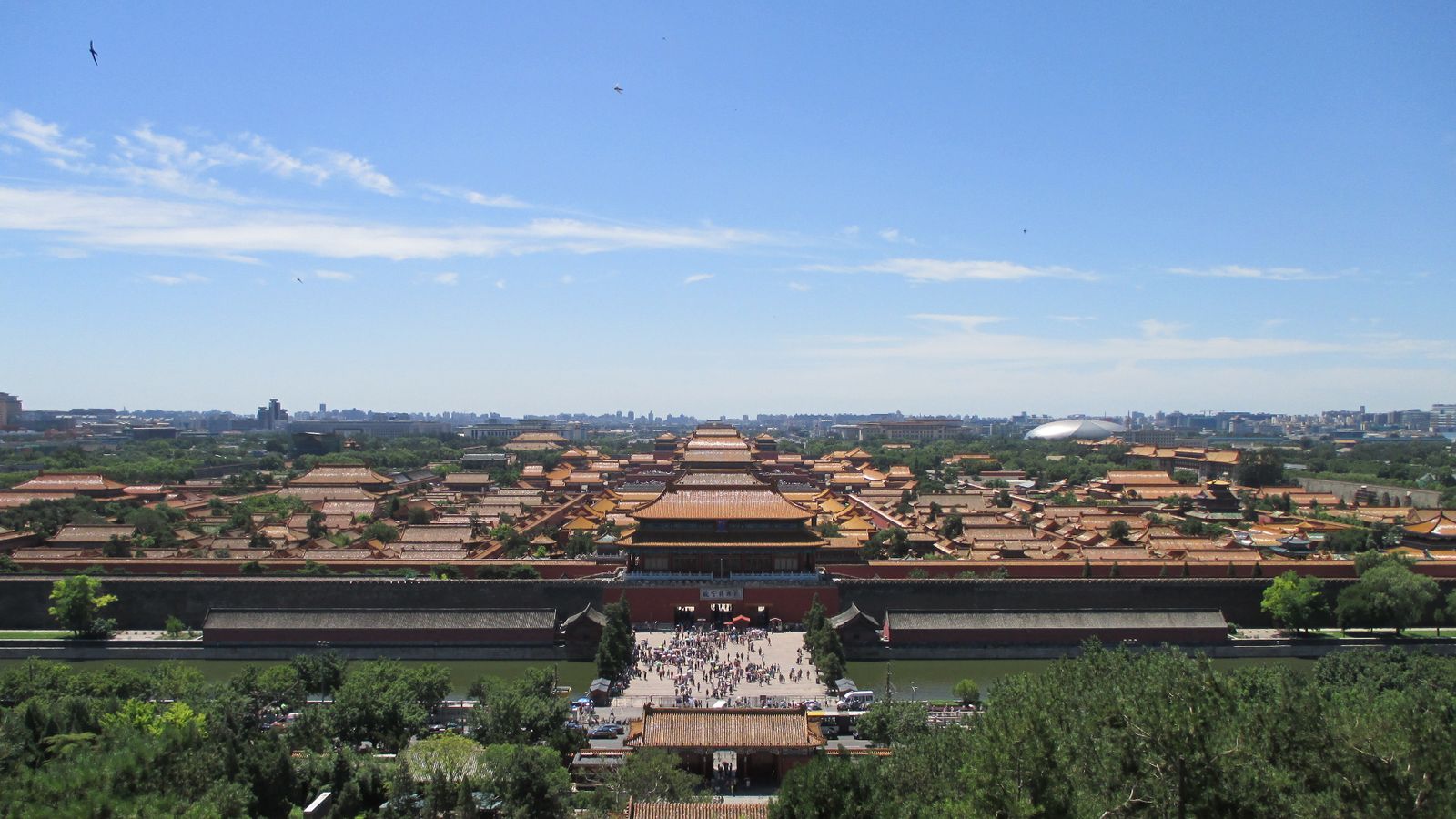
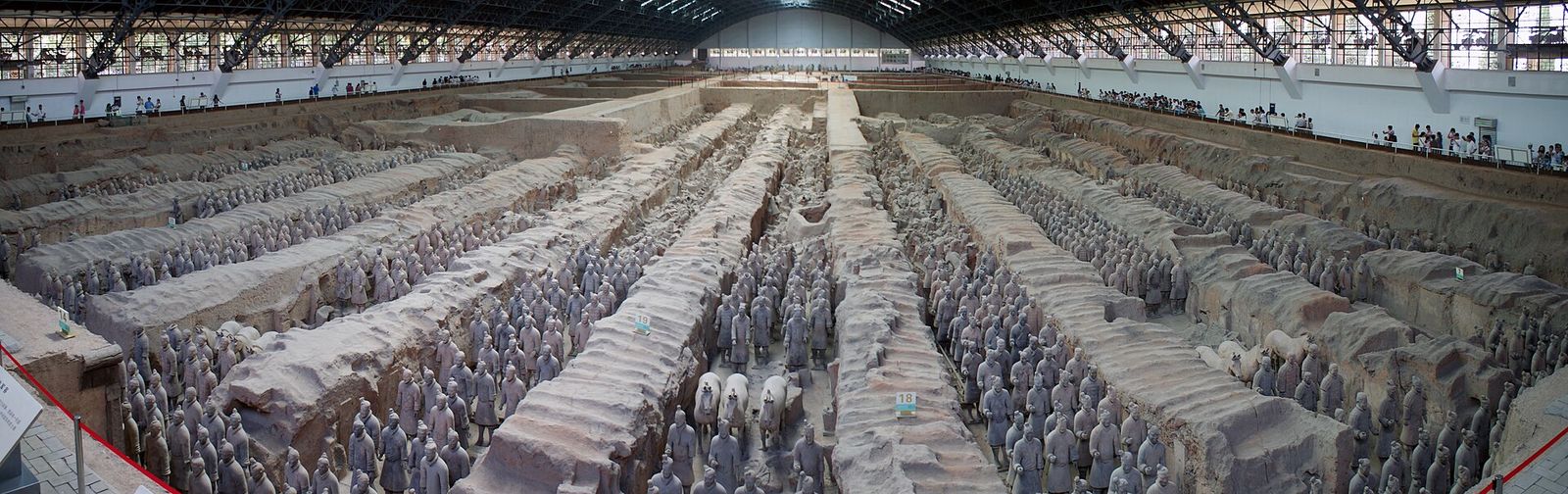
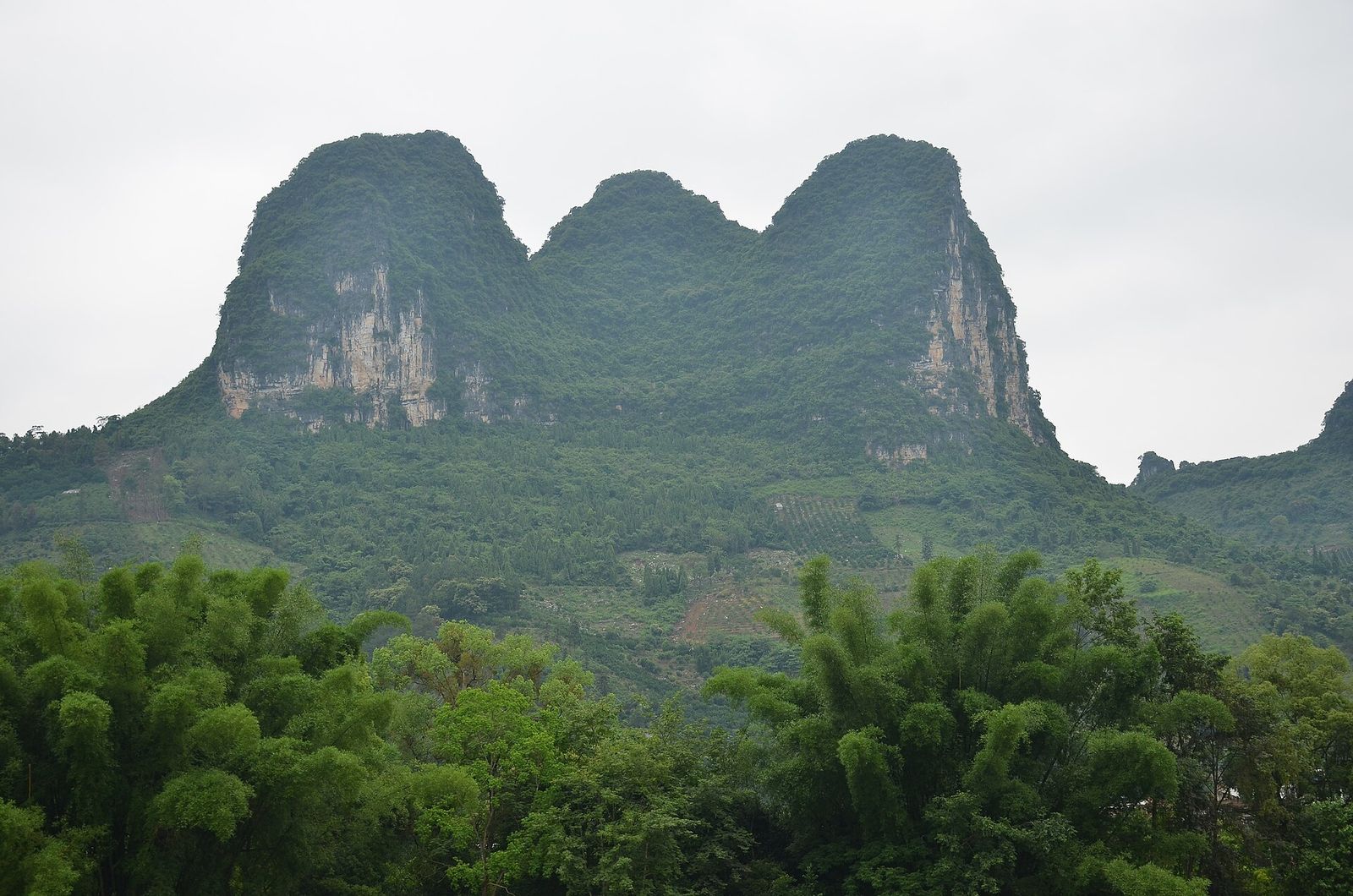
China rewards a first trip that has room to breathe. Beijing, Xi’an and Shanghai give you three very different introductions: imperial spaces and the Great Wall, the Terracotta Army and an old capital, then a riverfront metropolis. You do not need to add every famous landscape to make that journey worthwhile. The best starting question is how many full days you can actually spend exploring after flights and hotel changes.
This is an independent itinerary framework, not a scheduled departure or a promise of available transport. Use it to decide your priorities, then check flights, trains and attraction reservations for your dates. The suggested 10-day route has nine nights in China; the longer version has 13. International travel may require additional days away from Australia.
At a glance
| 10 days / 9 nights | Beijing 4 nights · Xi’an 2 · Shanghai 3 |
|---|---|
| 14 days / 13 nights | Beijing 4 · Xi’an 2 · Guilin 1 · Yangshuo 2 · Shanghai 4 |
| Before booking | Confirm flights and intercity services; international travel may need extra days |
Choose the right version before booking flights
A 10-day visit suits travellers who want the three-city introduction and are comfortable with two substantial transfers. Four nights in Beijing, two in Xi’an and three in Shanghai give each stop a purpose. The arrival and departure days remain travel days, even if a flight schedule happens to leave a few useful hours.
With 14 days, you have a real choice. Keep the same three cities and add unhurried mornings, museums and neighbourhood time, or introduce Guilin and Yangshuo for a southern landscape chapter. The second option adds another hotel change and a longer transport connection. Choose it because rivers and karst scenery matter to you, rather than because four cities sound better than three.
A 10-day route: Beijing, Xi’an and Shanghai
Day 1 is arrival in Beijing. Arrange the transfer to your accommodation, settle in and keep dinner close to the hotel. Do not make a timed attraction reservation dependent on an international arrival. Stay in Beijing for nights 1–4.
Day 2 is your central Beijing day, built around a confirmed Palace Museum reservation. Allow time for security and movement through a large site. Tiananmen Square has its own arrangements, so do not assume a museum ticket covers every nearby space. Keep the evening flexible.
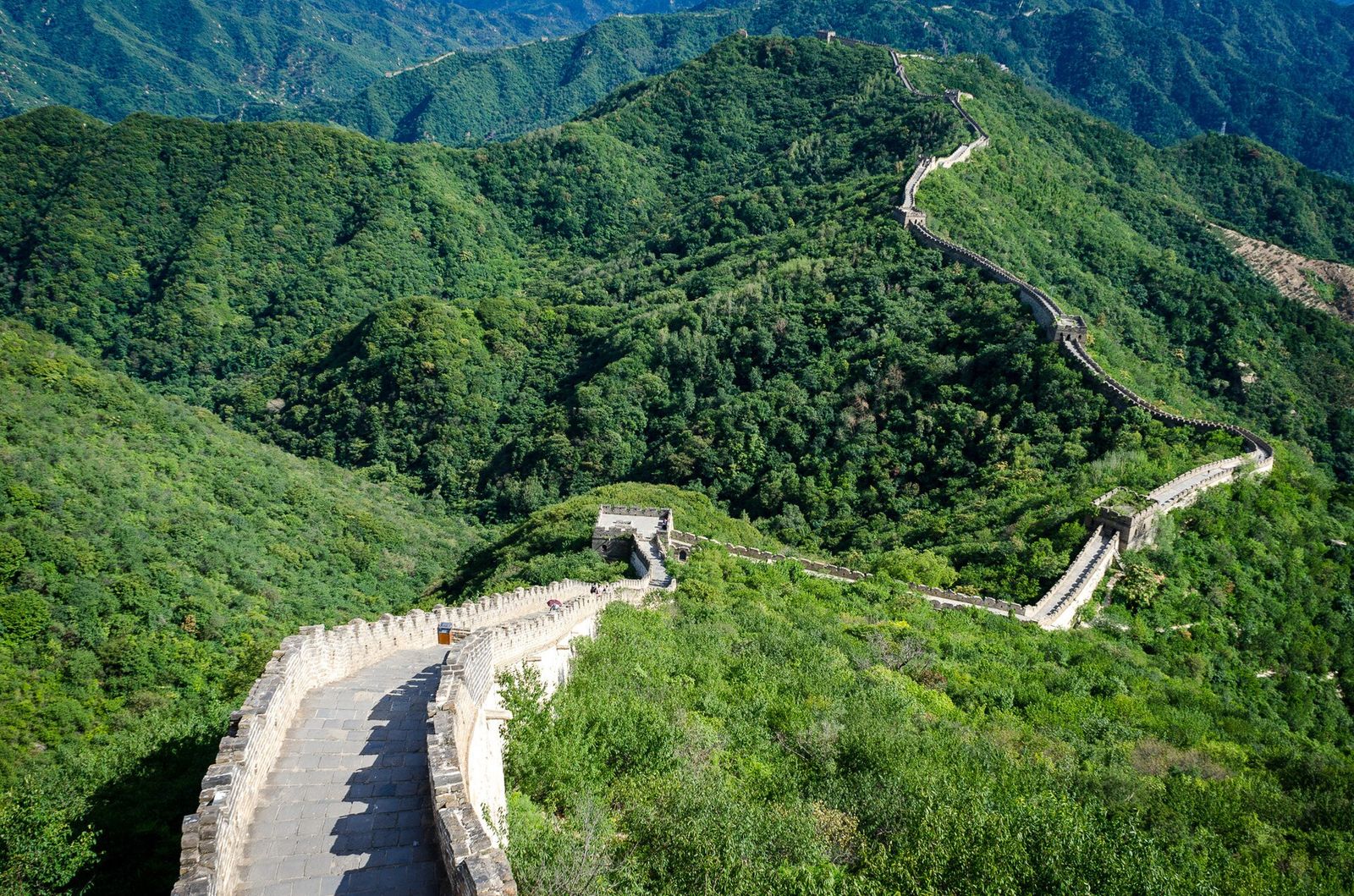
Day 3 is the Great Wall outing. Choose one section and organise a return transfer, with a realistic agreement about pickup and meeting points. Day 4 is the city day you will be glad you kept: choose the Temple of Heaven and a neighbourhood walk, or the Summer Palace if gardens and lakes appeal more. Avoid treating those alternatives as a compulsory combined list.
Day 5 transfers to Xi’an. Compare the actual train or flight available before committing to evening plans. Check into your hotel and have a simple local meal. Day 6 focuses on the Terracotta Army, with time for the journey out and back. A short city walk can fit later if you feel like it. Stay in Xi’an for nights 5–6.
Day 7 transfers to Shanghai. Nights 7–9 give you two full days after arrival. On day 8, pair the Bund with one nearby area rather than rushing between both riverbanks all day. On day 9, choose a garden, museum or neighbourhood programme around your own interests. Day 10 is departure. This is a satisfying introduction, but it does not provide two full sightseeing days in Xi’an; add a night there if the city wall and more museums are priorities.
A 14-day route with Guilin and Yangshuo
Keep Beijing nights 1–4 and Xi’an nights 5–6. Make day 7 the transfer to Guilin, where you spend that night. This connection needs particular checking: compare the available services, any change of vehicle and the time you reach the hotel. A flight may be more practical than a long rail itinerary, depending on the date.
On day 8, take your selected Li River experience and continue to Yangshuo if the booked service and luggage arrangements support that plan. Stay in Yangshuo on nights 8–9. Day 9 is a countryside day, choosing a gentle outing or a more active option that suits the weather and your ability. Day 10 transfers to Shanghai for nights 10–13. Days 11–13 then offer three full days in the city before departure on day 14.
That extra Shanghai day is deliberate. It provides some recovery after the southern detour and lets you enjoy the final destination instead of using it only as an airport gateway. If the transport connections make this version awkward, keep three cities and distribute the extra four nights among them. You will still have an excellent two-week holiday.
Choose accommodation for the day you will actually have
Start with the places you expect to visit and the evenings you want. A hotel close to a useful transport connection can be more convenient than one with a prestigious district name but a long walk to the station. Check the precise entrance, not simply the map pin. Ask about steps, lifts and vehicle access if these affect your comfort.
For every transfer, save the hotel name and address in Chinese as well as English. Keep a copy available without relying on a new connection. For the Guilin extension, decide whether you prefer town restaurants or a quieter countryside stay before choosing Yangshuo accommodation. A scenic setting may mean arranging vehicles for meals and outings.
Make reservations in a useful order
Begin with your dates, international flights and overall route. Check current entry requirements through the Chinese Embassy in Australia before making assumptions about visas or permitted stays. Passport nationality, route and trip purpose matter; an itinerary article cannot establish your eligibility.
Then identify the attractions that are essential to you and check their official reservation instructions. Align hotel cancellation terms with these plans where possible. Train bookings have their own release and identity-verification processes, so a hotel reservation does not mean your preferred rail service is secured. Keep a small planning sheet with the exact booked station, attraction, date, name and confirmation.
Keep the journey personal
Choose one highlight per full day and one optional addition. In Beijing that might be a palace followed by a quiet meal; in Xi’an, time looking closely at the warriors; in Shanghai, a long riverfront walk rather than another observation deck. Your memorable moment may be a familiar landmark or an ordinary street that was never on the original list.
Before paying for any organised itinerary, ask who operates it, which transport is confirmed, what is included and what happens if a reservation cannot be obtained. These suggested routes are editorial planning ideas. They do not establish that Cooee Tours operates or can book a particular China departure.