Plan France with confidence: a practical traveller’s handbook
France rewards thoughtful planning. Distances can look short on a map but travel times change with rail connections, mountain roads, seasonal traffic and the time needed to enjoy each place. Use this guide to choose a realistic route, understand the trade-offs between transport options and build a trip around your interests rather than trying to see everything at once.
Start with the shape of your trip
For a first visit, Paris combined with one nearby region is often more satisfying than crossing the country every second day. With a week, choose a main base and perhaps one overnight stop. With ten days, two or three regions can work if the route follows a logical direction. Two weeks gives room for a north-to-south journey, while three weeks makes a slower regional trip possible.
Count nights, not just calendar days. An arrival day affected by jet lag and a departure day spent reaching the airport are rarely full sightseeing days. Allow time for check-in, luggage, meals and the simple pleasure of wandering without a timetable.
Choose destinations by travel style
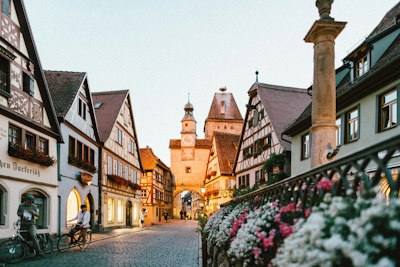
Art and architecture lovers may prioritise Paris, Lyon and the Loire châteaux. Food-focused travellers can combine Lyon with Burgundy or Bordeaux. Coastal scenery and village life suit Provence and the French Riviera, while Normandy and Brittany offer maritime towns, dramatic shorelines and layered history. Alsace brings half-timbered towns and a distinct Franco-German cultural character; the Alps are a better fit for mountain scenery and outdoor activities.
Do not select a region only because it is famous. Consider the season, your preferred pace, how comfortable you are changing hotels and whether the experiences you want require advance reservations.
Understand rail travel
France has high-speed TGV services on major intercity routes, alongside Intercités and regional TER trains. High-speed trains can make long distances practical, but stations are not always in the centre of the attraction or village you want to visit. Check the complete journey, including transfers, station changes and the final local connection.
Book popular long-distance services early when your dates are fixed, and compare the total fare rather than only the headline ticket price. Some tickets have limited exchange or refund conditions. Regional services can be useful for flexible day trips, but frequencies vary, especially in rural areas, on Sundays and during holidays.
Know when a car helps
A rental car can be useful for countryside itineraries, vineyards, small villages and places with infrequent public transport. It is often less convenient in central Paris and other dense historic centres, where parking is costly and restricted streets can make driving stressful. A practical approach is to use trains between cities and hire a car only for the rural portion of the trip.
Before collecting a vehicle, check the licence and rental requirements, insurance excess, fuel policy, toll arrangements, parking rules and any low-emission-zone restrictions relevant to your route. Confirm whether your accommodation has parking. Do not assume a village hotel or city property includes it.
Pick accommodation bases strategically
In large cities, staying near a useful metro, tram or rail connection can save time even if the address is not beside the best-known landmark. In the countryside, decide whether you want a lively town with restaurants or a rural property that requires a car. For a château, wine or coastal circuit, two nights in one base can be more relaxing than changing accommodation every day.
Check room size, lift access, air-conditioning where relevant, breakfast arrangements, late check-in, luggage storage and cancellation conditions. Older buildings may have stairs, compact rooms or no lift. If mobility or accessibility matters, ask the property specific questions rather than relying only on a general label.
Plan around opening times and reservations
Museums, monuments, gardens, wineries and restaurants may have weekly closing days, seasonal hours or timed-entry systems. Major attractions can sell out for preferred dates. Confirm details on the official attraction or operator website before travelling, particularly for the Palace of Versailles, major Paris museums, popular châteaux and guided vineyard visits.
Keep a flexible alternative for outdoor days and avoid stacking several timed activities far apart. A reservation that looks close on a map may require a longer transfer than expected. Allow a buffer for queues, security checks and finding the correct entrance.
How much should you budget?
There is no single daily budget that suits every France trip. Costs vary significantly between Paris, resort towns, rural areas and peak travel periods. Accommodation is often the largest variable, followed by intercity transport, meals and paid attractions. Build a trip budget by estimating each category separately instead of relying on one broad average.
For accommodation, compare the total price including local taxes, breakfast and any cleaning or service charges. For transport, include transfers to and from stations, local tickets and luggage considerations. For sightseeing, separate free experiences—such as neighbourhood walks, markets, viewpoints and many churches—from ticketed museums, guided visits and special events. For meals, consider a mix of bakery breakfasts, market lunches, casual restaurants and a few planned dining experiences.
Budgeting tip: Make a shortlist of the experiences that matter most and reserve money for them first. Then balance the rest of the itinerary with free walks, public gardens, local markets and scenic journeys. Treat published prices as changeable and confirm current rates directly before booking.
Food, dining customs and regional specialities
French food is regional, so the menu changes as you travel. Paris offers an international range alongside classic bistros and bakeries. Lyon is known for its traditional food culture; Burgundy and Bordeaux are closely associated with wine and regional produce; Provence draws on olive oil, herbs, vegetables and Mediterranean influences; Normandy is known for apples, dairy products and seafood; Brittany is associated with crêpes, galettes and coastal dishes; Alsace has a culinary tradition shaped by its borderland history.
Markets are useful places to discover local produce and assemble an easy picnic, but check market days for the town you are visiting. Restaurant opening hours can differ from Australian expectations, and smaller kitchens may close between lunch and dinner. If a particular restaurant is important to your trip, book ahead and confirm its current opening days. Mention dietary requirements clearly when making a reservation, and do not assume every venue can accommodate every request.
Seasonal planning: what changes through the year?
Spring: March to May
Spring brings longer days and gardens coming into bloom, though conditions vary by region and early spring can still be cool. It can suit city sightseeing, Normandy, the Loire Valley and many cultural itineraries. Pack layers and rain protection, and check the opening dates of seasonal gardens and attractions. Easter and other school-holiday periods can affect prices and crowds.
Summer: June to August
Summer supports coastal holidays, alpine activities and long evenings, but popular destinations can be busy and hot spells can affect city sightseeing. Book accommodation and high-demand attractions ahead. Plan outdoor walks early or later in the day, carry water and check local heat advice. Some small businesses in cities may close for annual holidays, while resort areas become busier.
Autumn: September to November
Autumn can be appealing for food, wine, countryside and city breaks, with changing foliage and harvest-related activity in some regions. Weather becomes less predictable later in the season and daylight shortens. Confirm winery visits rather than assuming harvest activity means public access. Coastal and mountain services may move to reduced seasonal timetables.
Winter: December to February
Winter is well suited to museums, festive markets, food experiences and snow sports in the Alps. Days are shorter, and rural attractions may have reduced opening hours. Christmas-market dates vary by town and year, so verify the exact season. Mountain weather can change quickly; check lift operations, road conditions and appropriate equipment before travelling.
Travelling from Australia: preparation checklist
Before departure, check current entry requirements for every passport holder and for the length and purpose of the stay. Rules can change, and transit countries may have separate requirements. Confirm passport validity, travel insurance, medication documentation where relevant, airline baggage rules and any onward travel documents. Keep copies of important bookings accessible offline as well as online.
Plan how you will stay connected: roaming, an eSIM or a local SIM may each suit different travellers. Check plug and charging requirements, and keep essential medicines in original packaging with supporting documentation when appropriate. If you rely on mobility equipment or need assistance at stations, airports or attractions, arrange it in advance and reconfirm closer to travel.
France uses the euro. Card payments are widely accepted, but it is sensible to have a backup payment method and a small amount of cash for situations where it is useful. Notify your bank of travel if required, check overseas transaction fees and avoid exchanging large sums at the first airport counter without comparing the rate.
How to make a multi-region itinerary work
Build a route around a few strong anchors: an arrival city, one or two regions, and the departure point. Check the actual transport links before booking non-refundable accommodation. If the trip includes a one-way car rental, confirm drop-off fees and opening hours. For rail journeys, consider the time needed to reach the station and whether your chosen service requires a seat reservation.
Try to spend at least two nights in most major bases. One-night stays can be worthwhile when a stop lies directly on the route, but too many can turn a holiday into a packing exercise. Keep the first day after a long-haul flight light and avoid a tight connection between separate tickets. For popular attractions, reserve the essential experiences first, then shape the surrounding days around them.
More France travel questions answered
Should I buy a rail pass or individual tickets?
It depends on how often you travel, which services you use and how fixed your dates are. Compare the pass cost with the actual journeys you expect to make, and check whether reservations or supplements are required. Some high-speed services have limited pass-holder reservations, so a pass does not always guarantee the train or time you want.
Can I visit France without speaking French?
Many visitors travel successfully with basic French and translation tools, especially in major tourist areas. Learning greetings, please, thank you and a few dining phrases is appreciated. In smaller towns, English may be less widely spoken, so save addresses and bookings offline and be patient when asking for help.
Is it better to stay in one city or move around?
For a short break, one base is usually easier. For a longer holiday, a small number of bases gives you variety without excessive transfers. Day trips work well when transport is direct and the return timetable suits your plans; overnight stays are better when a destination deserves an evening or early morning.
What should I check before booking a guided tour?
Confirm the date, duration, language, group size, meeting point, transport included, walking requirements, accessibility, cancellation terms and what is not included. For wine or food experiences, check whether tastings or meals are part of the price. Use the operator's own booking details for current availability and inclusions.
How can I avoid an overpacked itinerary?
Choose one major activity each morning or afternoon, group nearby sights together and leave unplanned time for meals and wandering. Include a weather alternative and avoid scheduling a long intercity transfer on the same day as a timed attraction. A realistic itinerary is usually more memorable than a checklist of places.