 Travel guide
Getting Around Japan: Rail, Airports & Local Travel
Plan airport transfers, Shinkansen journeys, city transport and luggage without buying a pass before you know your route.
Explore Getting Around Japan →Choose fewer bases, book the right room and balance major attractions with parks, familiar meals and time to recover.
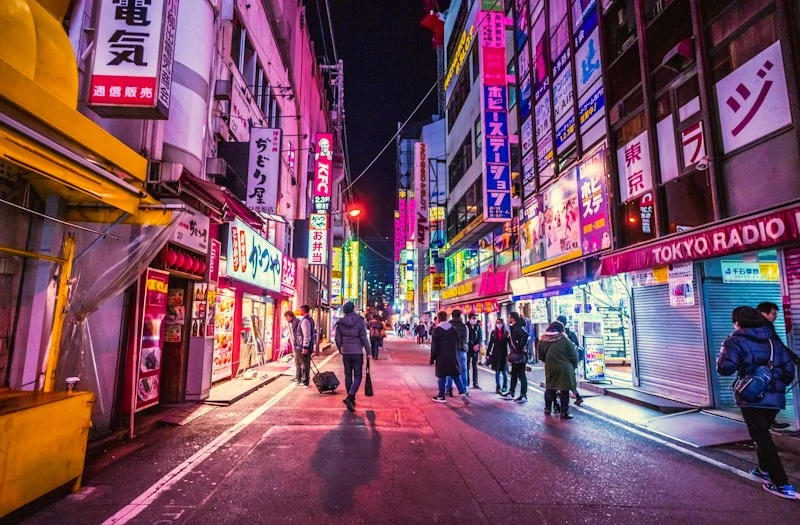
Neon-lit shopping street in Japan · Photography source
A toddler, a confident ten-year-old and a teenager interested in anime need different trips. Ask each child to choose a small number of priorities, then build the route around shared experiences. Japan can work beautifully for a family, but long station walks, queues, unfamiliar food and small rooms become harder when every day is full.
For a first visit, Tokyo and one Kansai base can be enough. A mountain inn or additional city should earn its place by adding something the family wants, not simply because it appears on a standard list. Longer stays reduce packing and let you return to a familiar neighbourhood for an easy dinner.
Enter every child’s age when searching and check the permitted occupancy. A double room with one bed may not be suitable for two adults and a child, even if a booking site allows a generic search. Confirm bed sizes, extra beds, children’s meal charges and whether connecting rooms are guaranteed rather than requested.
Apartment hotels can help with laundry and breakfast, while a staffed reception is useful for luggage forwarding and questions. Choose a room close to a practical station exit, a supermarket or convenience store and several food options. A cheap room far from the places you visit can cost the family energy every day.
In Tokyo, pair a major attraction with a nearby park or neighbourhood rather than another distant booking. Asakusa and the river, Ueno and a museum, or a western Tokyo outing each make a coherent day. Check museum interests and age suitability before buying tickets; a famous attraction is not automatically engaging for every child.
In Kyoto, shorten temple visits and mix them with riverside walks, gardens or a hands-on activity. Nara can work well, but deer need respectful supervision. Osaka offers food, shopping and family attractions, with enough variety for a non-temple day. Leave time for the simple discoveries children often remember most.
Tokyo Disney Resort and Universal Studios Japan each need current, date-specific research. Check ticket types, park admission, timed-entry systems, height requirements and any paid access options directly with the operator. Do not assume a ticket guarantees every ride or that yesterday’s app instructions remain current.
Allow a full day if a park is a major priority and avoid a difficult hotel move immediately afterwards. Decide how the group will manage different interests, phone batteries, meeting points and a child who wants to leave early. Staying closer to the park can help, but compare that benefit against another accommodation change.
Reserve seats together for important intercity journeys where possible. Child fares and free-travel conditions depend on age, service and whether a separate seat is required. Confirm the rules for the actual ticket rather than applying one simplified age rule to every train and attraction.
A compact pram may be useful, but lifts can be some distance from the most direct station exit. Keep bags manageable and avoid commuter peaks when practical. Luggage forwarding can reduce the load during a short side trip, provided you carry enough supplies for the delivery interval and confirm that the receiving property accepts the bags.
Breakfast at the accommodation or a nearby familiar option can make the day easier. Department-store dining floors, family restaurants and food halls provide choice, but check seating and where prepared food may be eaten. Keep snacks for long transfers and queues. An adventurous child can sample local dishes without the whole family committing to a long tasting menu.
For allergies, communicate the specific ingredients and cross-contact concern clearly. Fish stock and wheat-containing soy sauce can appear in dishes that look suitable. Research dependable options near your hotel before travelling. A traditional inn may need advance agreement to provide a different child’s meal or accommodate restrictions.
Summer heat and humidity can be demanding, especially with a pram or long outdoor queues. Plan early outings, indoor breaks and water. Winter travel needs warm clothing and attention to slippery paths. School-holiday travel can overlap with busy Japanese periods, so book key rooms and experiences early while keeping some days flexible.
Give children a simple plan for separation, including the hotel’s name and a meeting point appropriate to their age. Keep medicines and essential documents in hand luggage. Check official entry and medicine rules for every traveller, and choose insurance that fits the activities you intend to do. Practical preparation should support an enjoyable trip rather than fill every day with restrictions.
An eleven-day plan can use five nights in Tokyo and five in Kyoto or Osaka, with day eleven for departure. Include one optional theme-park day, one Nara or nearby excursion, and several lighter afternoons. If a ryokan is important, replace a city night or add time rather than squeezing it into an already crowded sequence.
Our family Japan itinerary develops this two-base approach. Adapt it to flight times, children’s ages and energy. The best family holiday is the one where everyone has enough time to enjoy their chosen experiences, not the one that collects the most city names.
Travel guidePlan airport transfers, Shinkansen journeys, city transport and luggage without buying a pass before you know your route.
Explore Getting Around Japan →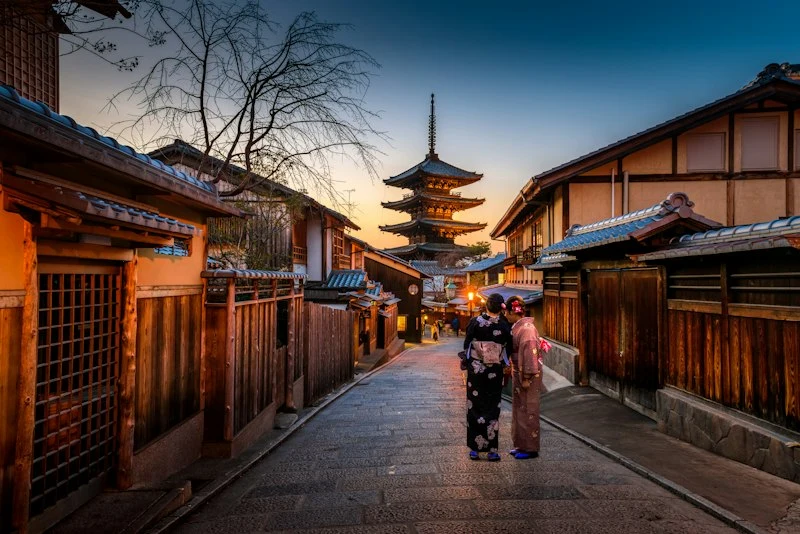 Travel guide
Match your hotels to the journey: Tokyo neighbourhoods, Kyoto or Osaka, mountain towns and a route with fewer changes.
Explore Where to Stay in Japan →Travel journalHow much a Japan trip costs from Australia in 2026 — flights, hotels, ryokan, Shinkansen and the JR Pass question, food, sightseeing and three sample ten-day budgets in AUD.
Explore Japan Travel Costs →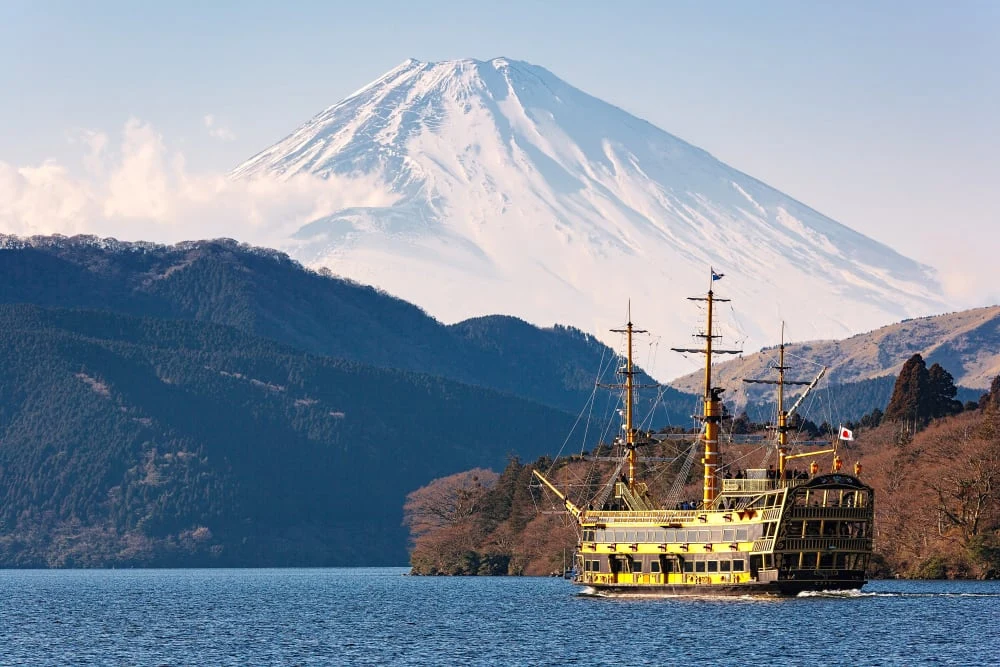 Tours & itineraries
Four nights in Tokyo, one in Hakone, four in Kyoto and one in Osaka: a proposed first-visit route with room to tailor the details.
Explore Classic Japan →Reviewed 12 November 2026. Check current fares, entry conditions, opening arrangements and booking terms for your actual dates. Any older indicative budget figures retained in the detailed guides are planning examples, not live quotes.
Your Japan, thoughtfully planned
Tell us your dates, group size, preferred pace and interests. Include dietary, bedding and access needs so we can discuss suitable options and confirm what can be arranged.
Keep exploring
Build your next journey with practical destination guides across Australia, New Zealand and the world.
Explore Tokyo · Explore Kyoto · Explore Osaka · Explore Taiwan