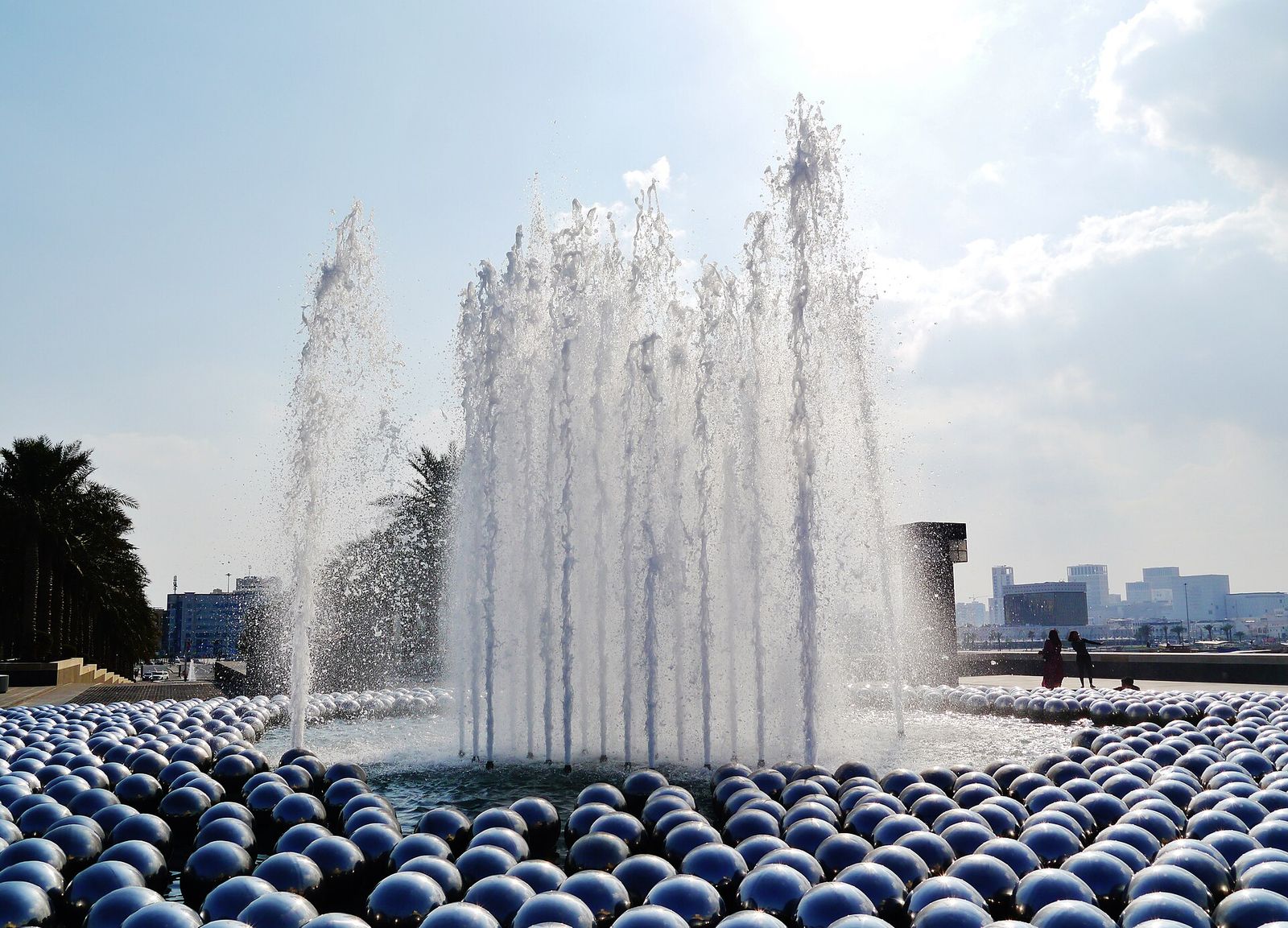
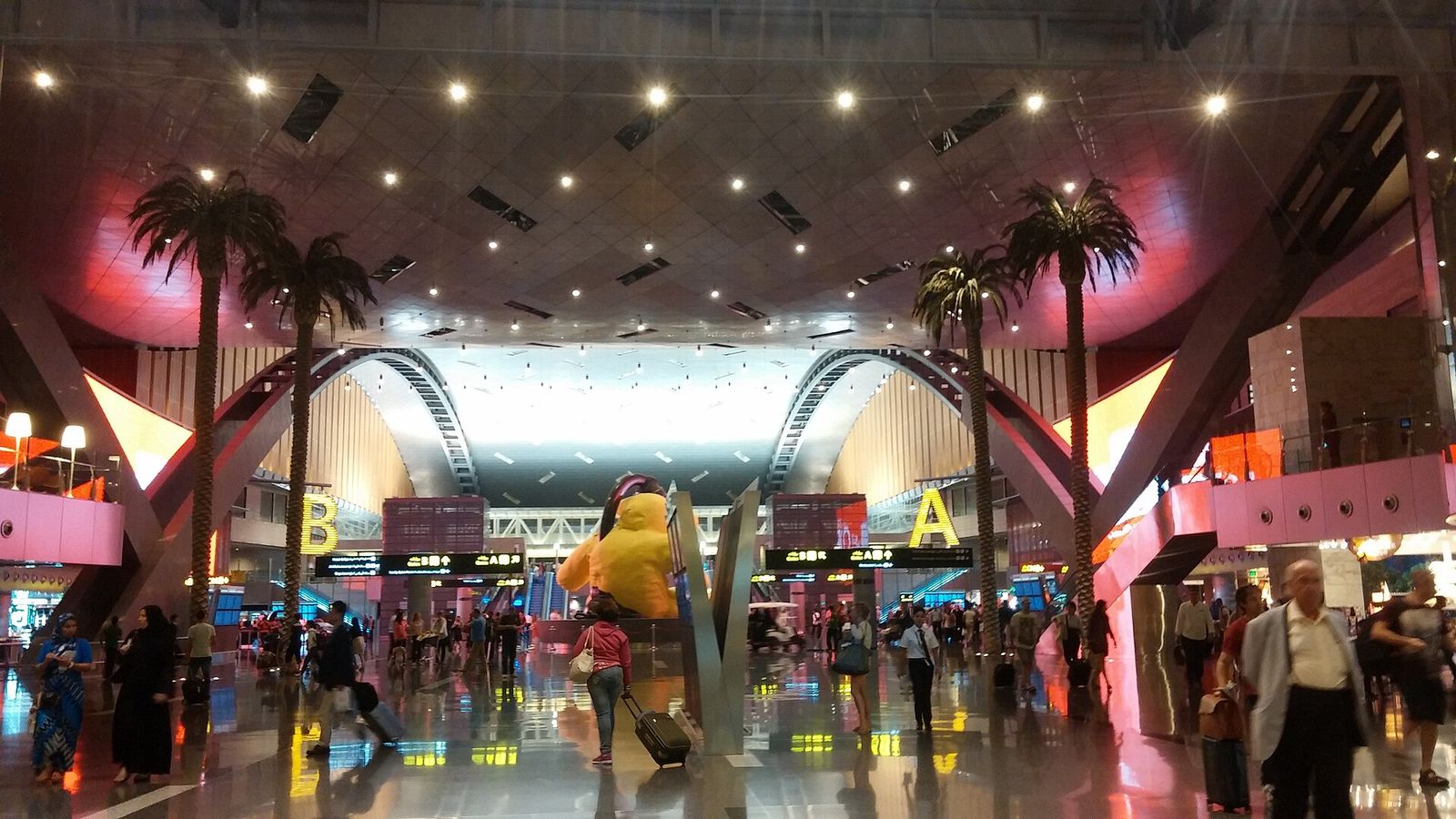
A memorable Middle East journey starts with curiosity about a particular place. A museum collection, an old trading neighbourhood or a desert landscape can be a better starting point than a list of countries to tick off. This guide helps you turn those interests into a manageable research plan, while keeping current travel advice ahead of any booking decision.
This journal is a focused introduction to the UAE, Qatar, Oman and Jordan, alongside cultural and stopover planning. It is not a complete directory of every Middle Eastern country. Our wider regional travel guide provides the next layer of reading.
At a glance
| Start with | Your main interests and current destination advice |
|---|---|
| Choose a scope | One city or a carefully considered pair of bases |
| Allow for | Arrival, departure and the complete transfer day |
Separate inspiration from a departure decision
Travel conditions are not uniform across the region. Read the Australian Government advice for every destination and transit point, including the regional and local detail beneath the overall advice level. A photograph or tourism website describes a place; it does not establish whether a holiday there is appropriate now.
Our Oman and Jordan articles are future-trip research while Australian advice is to reconsider travel. The UAE and Qatar articles also require a fresh advice check before use. Keep a shortlist of places you would enjoy, but make commitments only after reviewing the conditions that apply to your actual route and dates.
Choose the experience before the route
Write down three experiences you genuinely want. Perhaps they are time in an art museum, a guided neighbourhood walk and relaxed meals. That points towards a settled city stay. A wish to understand an archaeological landscape requires a different rhythm, including walking time, interpretation and recovery between outings.
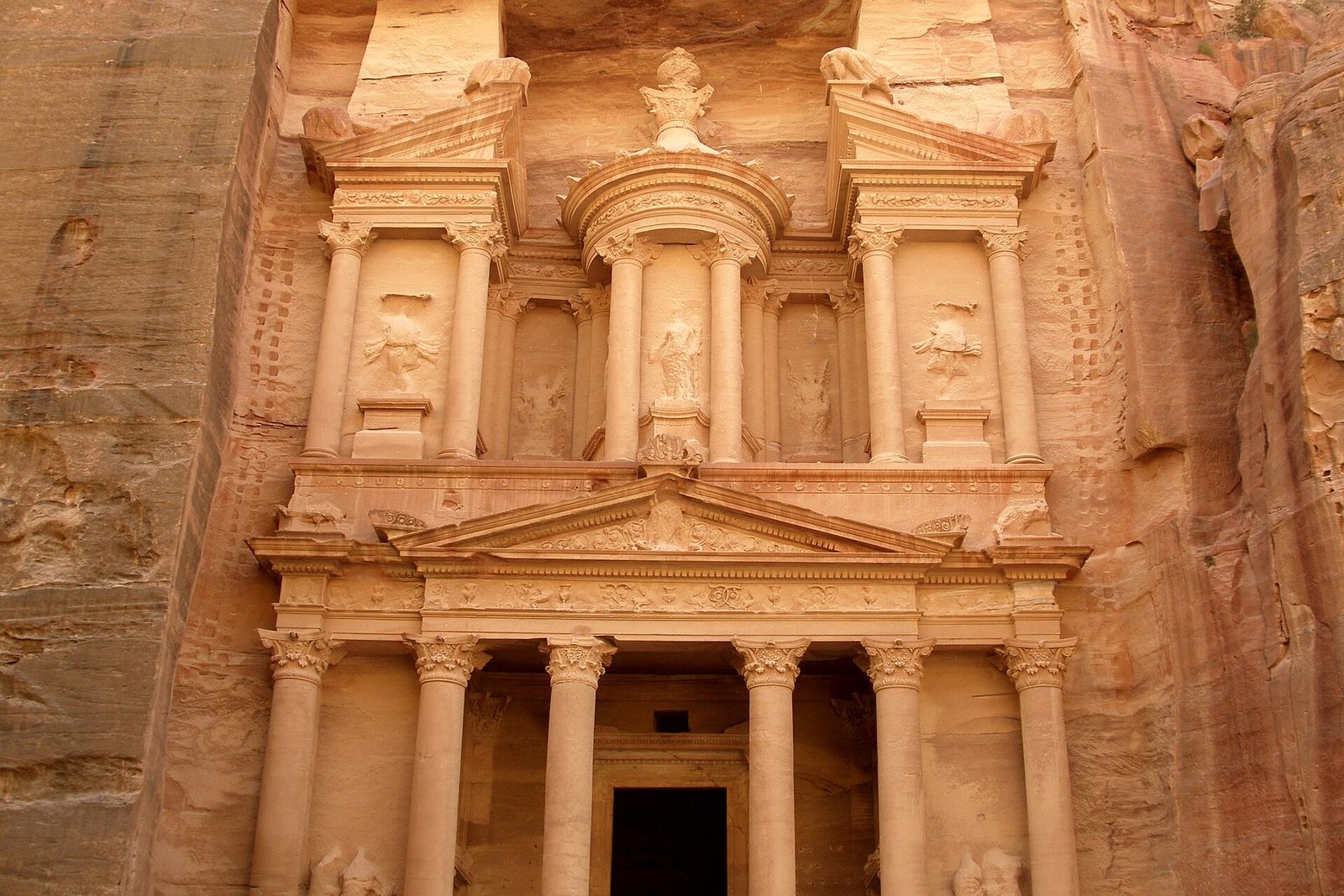
Do not assume that every place offers the same version of desert, coast or city life. Dubai and Abu Dhabi warrant comparison on the particular neighbourhoods and institutions you want to visit. Doha can be approached as a city in its own right. Muscat and Nizwa offer different settings within Oman, while Petra and Wadi Rum require distinct plans in Jordan.
Count usable days rather than nights abroad
A five-night booking may contain only four full days, or fewer when flight times are awkward. Draw a simple calendar with arrival, hotel access, departure and airport return first. Then place one main experience on each remaining day. The empty spaces are useful: they allow meals, weather adjustments and the discoveries you cannot schedule.
For a first city visit, three full sightseeing days give you room to compare different areas without spending every hour in a vehicle. For two cities, account for checking out, moving luggage and settling into the next property. These are editorial pacing suggestions, not promises about transport times or packaged itineraries.
Choose accommodation by the day you want
A dramatic view is appealing, but a hotel's surroundings shape the whole stay. Look at the route to your main sights, nearby places to eat, shade, crossings and transport access. A short distance on a map may still involve a difficult pedestrian connection or a road journey.
Compare the complete stay price, including meals, local transfers and any costs for early arrival or late departure. Ask the property directly about the room features that matter to you. Travellers with limited mobility should describe their needs in practical terms, including step-free access, bathroom layout and the distance between the entrance and room.
Leave room for context
One carefully chosen guide or museum visit can give later sightseeing more meaning. Ask what a guided experience covers, how much walking is involved and whether the time advertised includes transfers. A private booking is not automatically a better match; the subject, guide and pace matter more than the label.
Markets and religious sites are also places used by local people. Keep your schedule flexible enough to follow opening arrangements and venue instructions. Seek permission before photographing individuals, and be prepared to put the camera away. A slower encounter often leaves a stronger memory than another hurried stop.
Make a useful shortlist
Finish your first round of research with one preferred destination, an alternative and a list of unanswered questions. Include the exact arrival airport, the main activities, your preferred base and the conditions under which you would postpone. This makes a discussion with a travel provider more productive than requesting an unspecified regional package.
The itineraries in this journal are independent editorial frameworks. They do not establish that Cooee Tours operates or can book the experiences described. For an organised trip, obtain the operator's name, current availability, inclusions and cancellation terms before paying. Your own pearl may be a single city explored well rather than a journey across several borders.