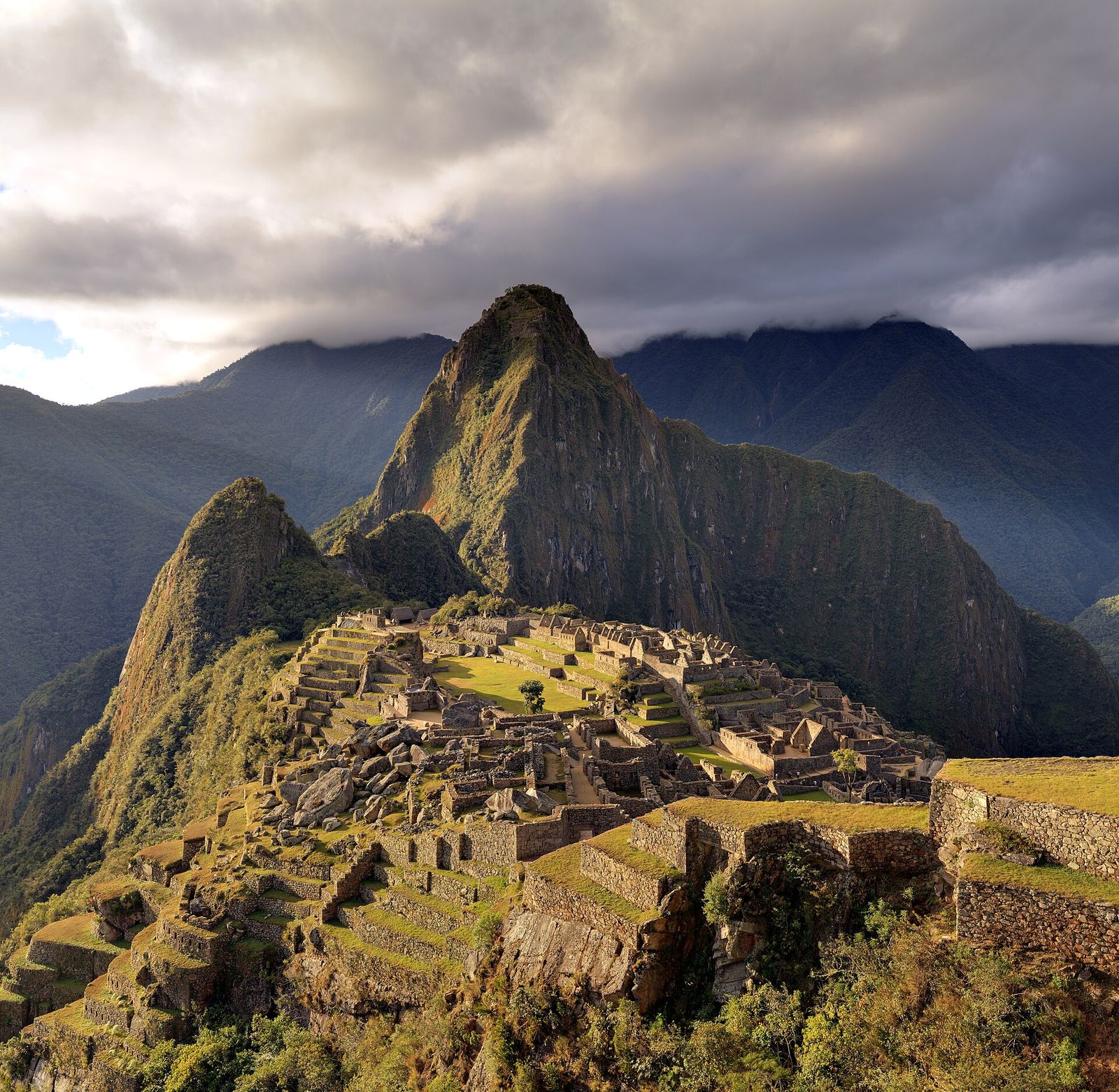
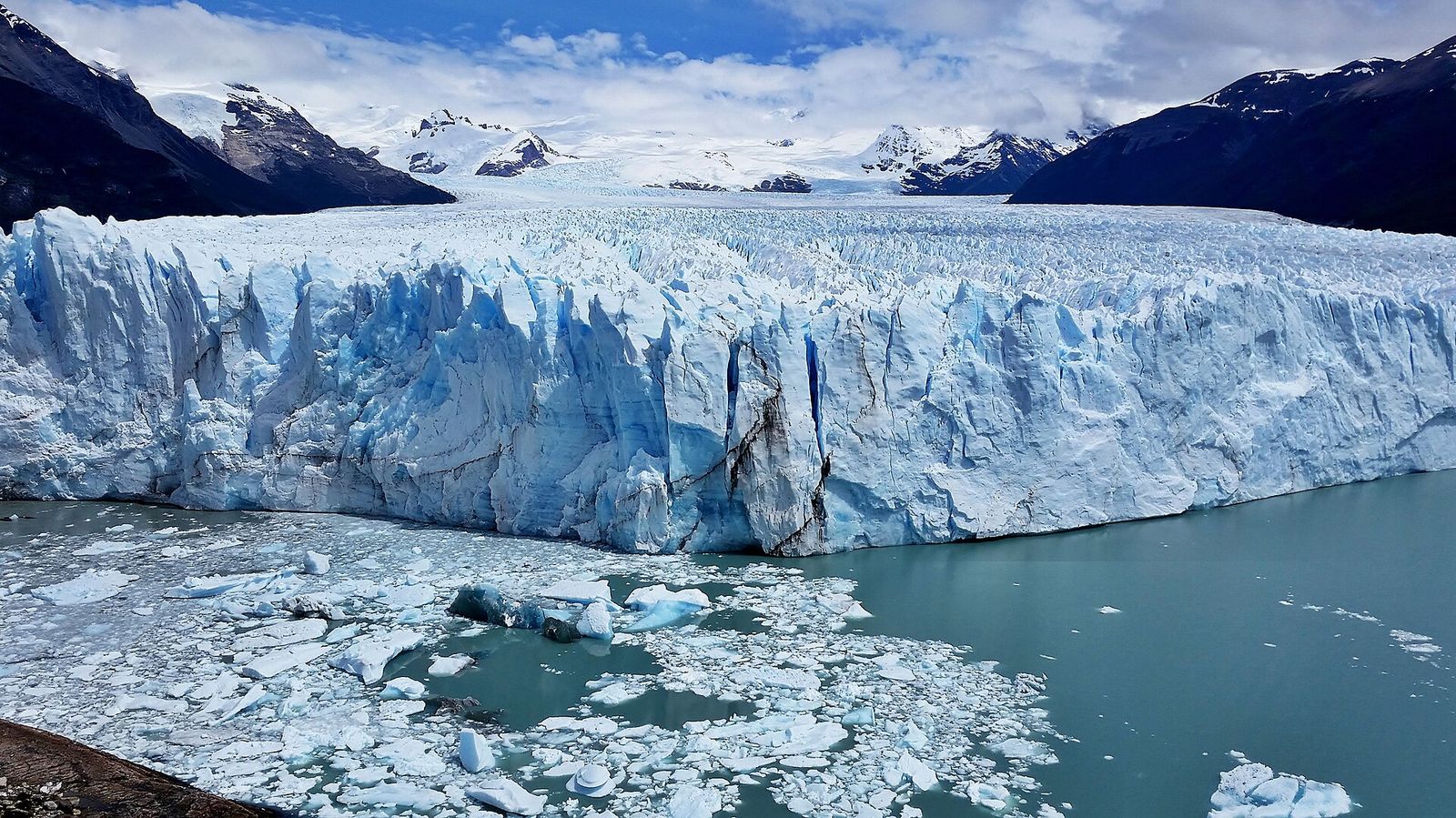
South America offers more possibilities than a single holiday can hold. A mountain landscape, a coastal city or an archaeological site might be the reason you start planning, but the journey becomes more enjoyable when you give that interest enough time. Begin with one region and a manageable number of bases.
This collection introduces Peru, Chile, Argentina, Brazil and Colombia, alongside a separate Patagonia comparison. It is a starting point rather than complete coverage of the continent. Use our wider regional and country guides to explore other destinations and develop a route that suits you.
At a glance
| Start with | One main interest and a manageable region |
|---|---|
| Allow for | Full transfer days and gateway nights |
| Check first | Country and local advice, seasons and entry requirements |
Choose your main interest first
Write down the three experiences you most want. If they involve archaeology and local history, a focused Peru journey may be more rewarding than adding several unrelated capitals. If your priority is scenery, compare the kind of outdoor experience you want in Patagonia with the transport and walking involved.
City-based holidays have their own advantages. Santiago and Valparaíso, Buenos Aires with a separate Iguazú stay, or time in Rio can provide a strong identity without a long list of hotel changes. Colombia's Bogotá and Cartagena offer contrasting settings, but the journey between them still needs a place on the calendar.
Count full days and transfer days separately
Start with the actual arrival and departure dates, including local flight times. Mark each hotel change before adding sightseeing. An internal flight includes reaching the airport, checking in, collecting luggage and continuing to the next hotel. Its flying time is only part of the day you spend moving.
For a first two-week holiday, consider one country or a carefully connected pair of regions. That is a pacing suggestion, not a rule. A shorter trip may be better spent in one city and a nearby contrasting area. Compare the time available at each destination rather than the number of places named in the itinerary.
Let the season follow the destination
There is no single ideal month for all of South America. A suitable period for a city visit may bring different conditions to a mountain route, a glacier excursion or a coastal stay. Start with the specific experiences you want and consult official destination information for their operating arrangements.
Check roads, transport and activities individually. A national park being open does not establish that every trail or service is available. Keep a worthwhile alternative for a weather-dependent outing so that a changed day becomes a different experience rather than a lost one.
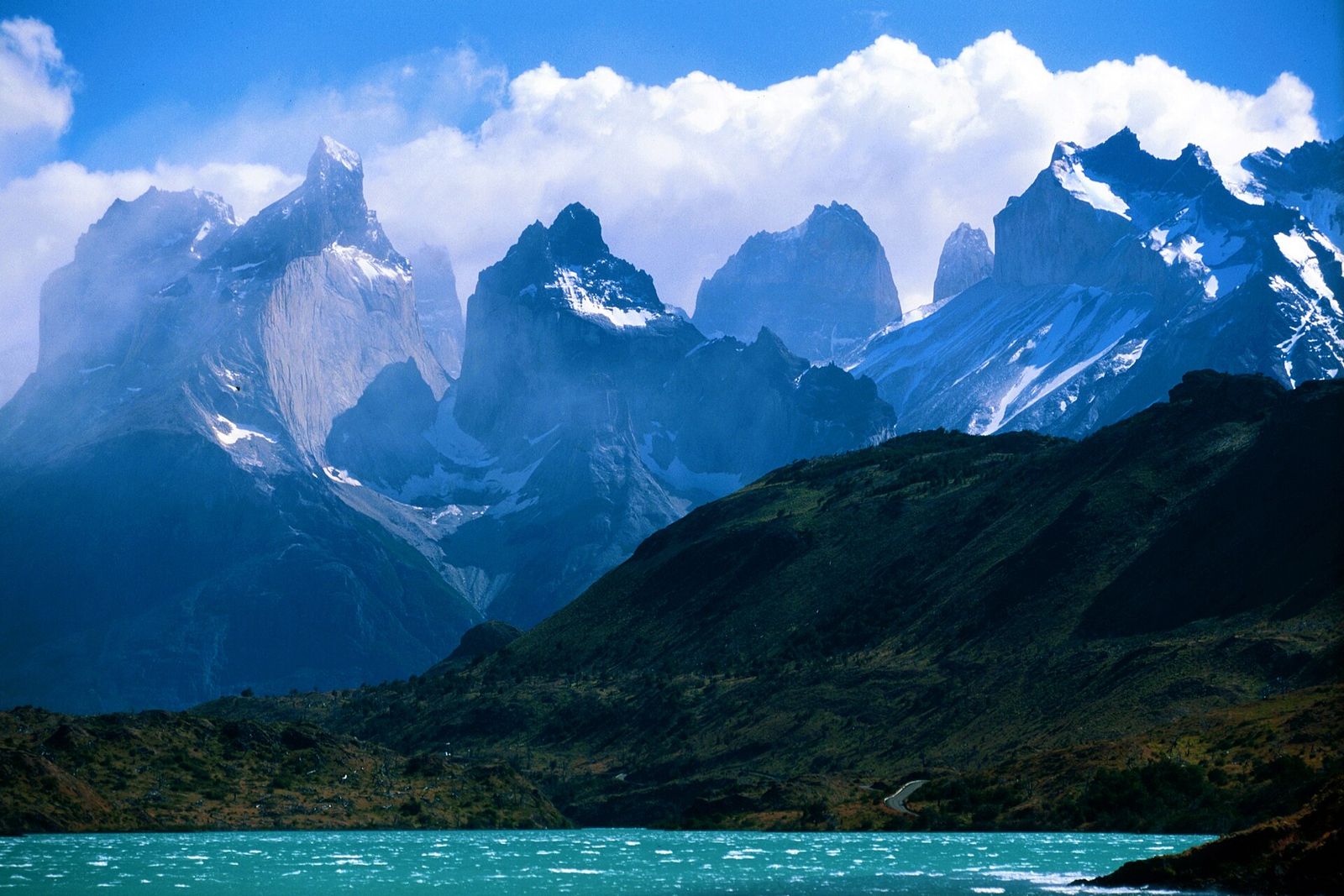
Treat altitude and access as real planning questions
Some itineraries in this collection involve high-altitude destinations. Discuss the actual route with your doctor before travel and ask local providers about the practical demands of the activities. Do not treat a slower first afternoon as a guarantee that altitude will cause no difficulty.
Likewise, ask specific questions about mobility. Distance, gradients, steps, surfaces and time without a seat provide more useful information than the word easy. For a guided visit, explain your needs before booking and ask whether the proposed route can be adapted. A famous viewpoint need not determine the success of the holiday.
Compare the whole price
Put accommodation, transfers, admissions, meals and guiding beside each other when comparing options. A low hotel rate can become less attractive if it creates repeated long journeys. A tour with many listed stops may spend less time at your main interest than a simpler itinerary.
Ask who operates each service and what is included in writing. Cooee Tours' editorial routes are not proof that we operate or can book the experiences described. Verify availability, the named provider and cancellation arrangements before paying, especially when several bookings must work together.
Keep country advice beside the inspiration
Read current Australian Government advice for every country and the particular areas on your route. Some countries have different advice levels within their borders. A tourism page describes attractions; it does not establish whether every approach road or neighbouring region is appropriate for your trip.
Check official entry requirements for your passport and any transit points separately. If a cross-border excursion is optional, decide whether its extra arrangements add enough value. You can often simplify a journey without losing its main appeal.
Finish with a clear shortlist: the places that matter most, a realistic sequence of nights and the questions still unanswered. That gives a travel provider something useful to work with. The world may be your oyster, but you do not need to open every shell on the same holiday to find a pearl.