A Photographer's Guide to the Carnival of Flowers
Forty million petals, a floral parade, a Japanese garden and an escarpment sunset — the Carnival might be the most photogenic fortnight in Queensland. Here's how to shoot it well.
Chase the morning light
The festival's massed beds face beautifully into soft morning light, and the parks open before the crowds arrive. Queens Park between 8am and 10am gives you clean paths, fresh blooms and low, warm sun. Overcast days are a gift, not a curse — flat light saturates the colours and kills the harsh shadows that ruin midday flower shots.
The four classic frames
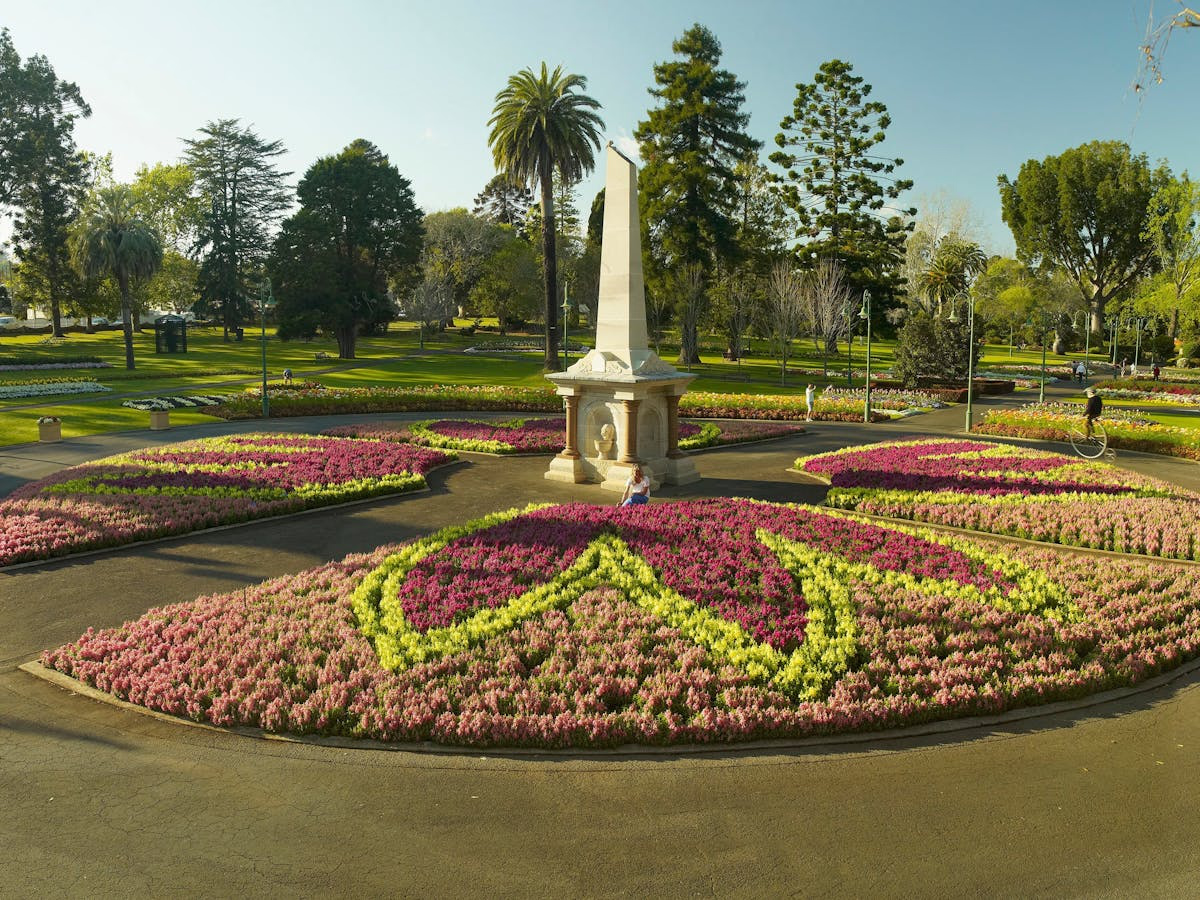
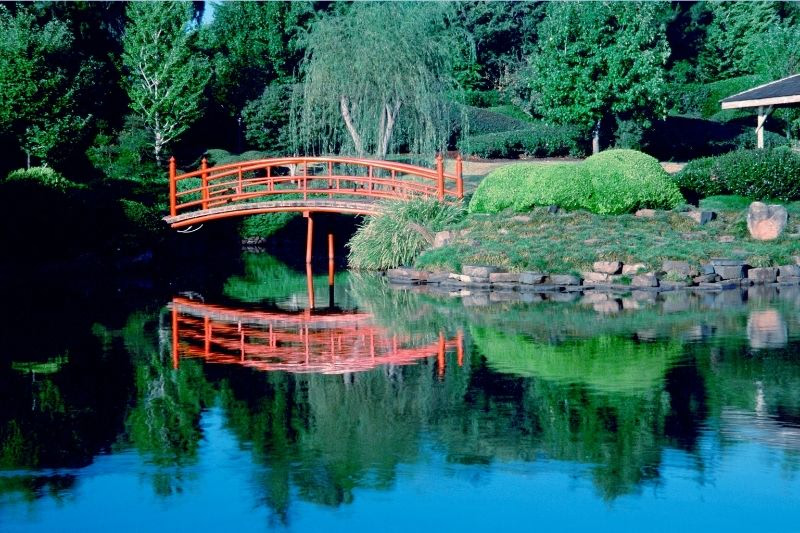
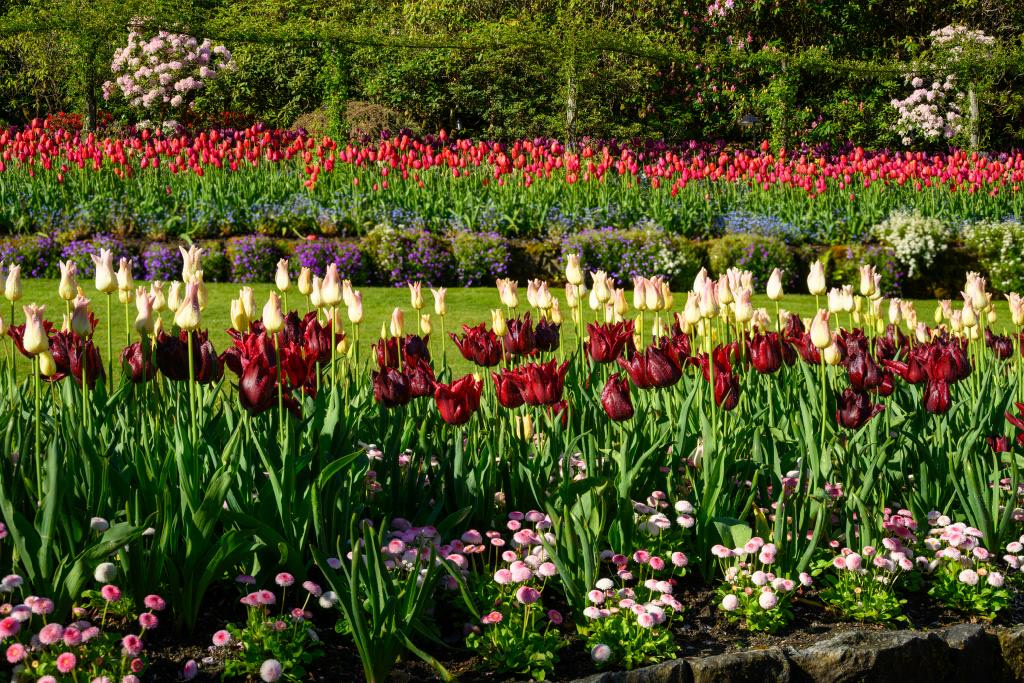
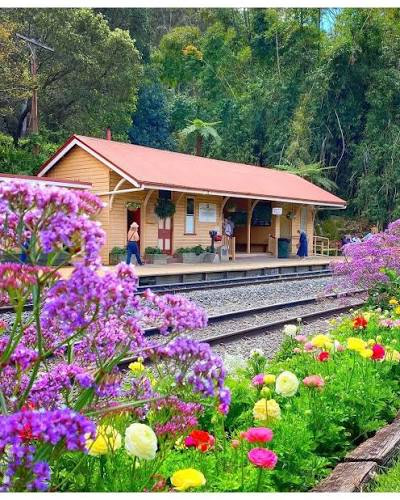
Every Carnival photographer eventually collects the same four postcards, and there's no shame in it: the massed tulip beds of Queens Park; the heritage roses at Laurel Bank; the red bridge and lake reflections at Ju Raku En; and Spring Bluff railway station framed in blooms. Get the classics first, then go find your own.
Work the details
The wide colourful bed is the obvious shot — the better ones are usually closer. Single blooms backlit against shade, bees at work, gardeners tending beds at dawn, the geometry of a planting plan seen from a low angle. A macro lens or a phone's close-focus mode earns its keep here more than anywhere.
Stay on the paths. Every year, the perfect angle is one step into a garden bed — and every year that step is the difference between a photographer and a problem.
Parade day: 19 September
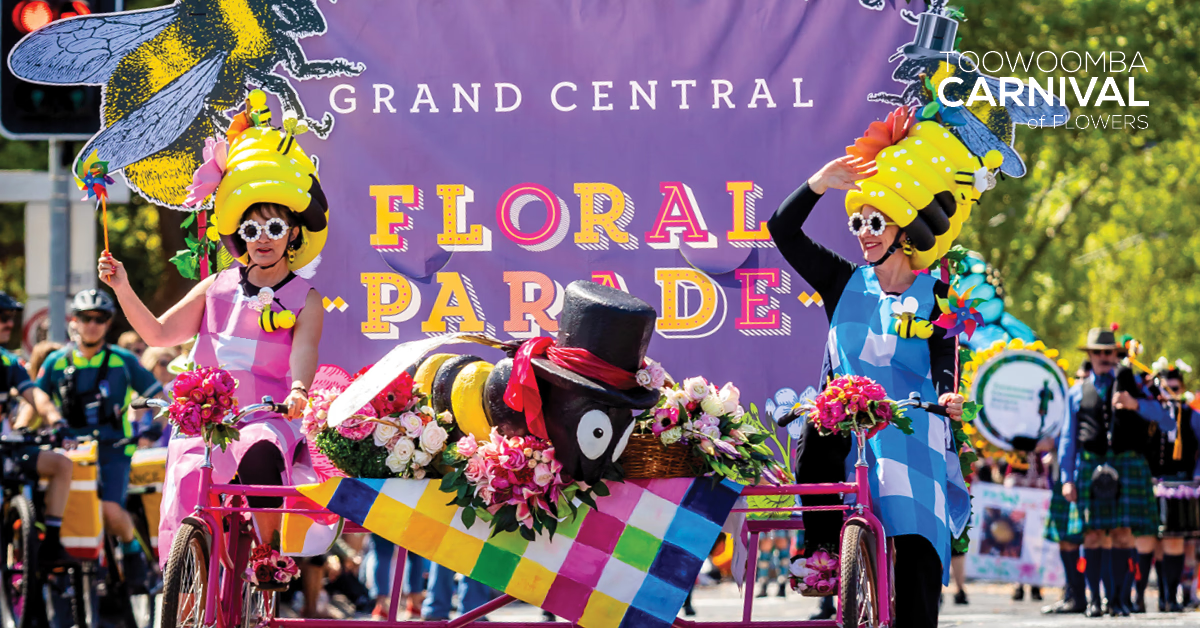
Two strategies work for the Grand Central Floral Parade. Stake out a Margaret Street position early for float close-ups at street level — kneel low and shoot up for scale. Or position at the Queens Park end and catch the floats arriving with crowds and colour stacked behind them. Burst mode, shutter priority, and accept that you'll cull hundreds of frames later.
Golden hour belongs to Picnic Point
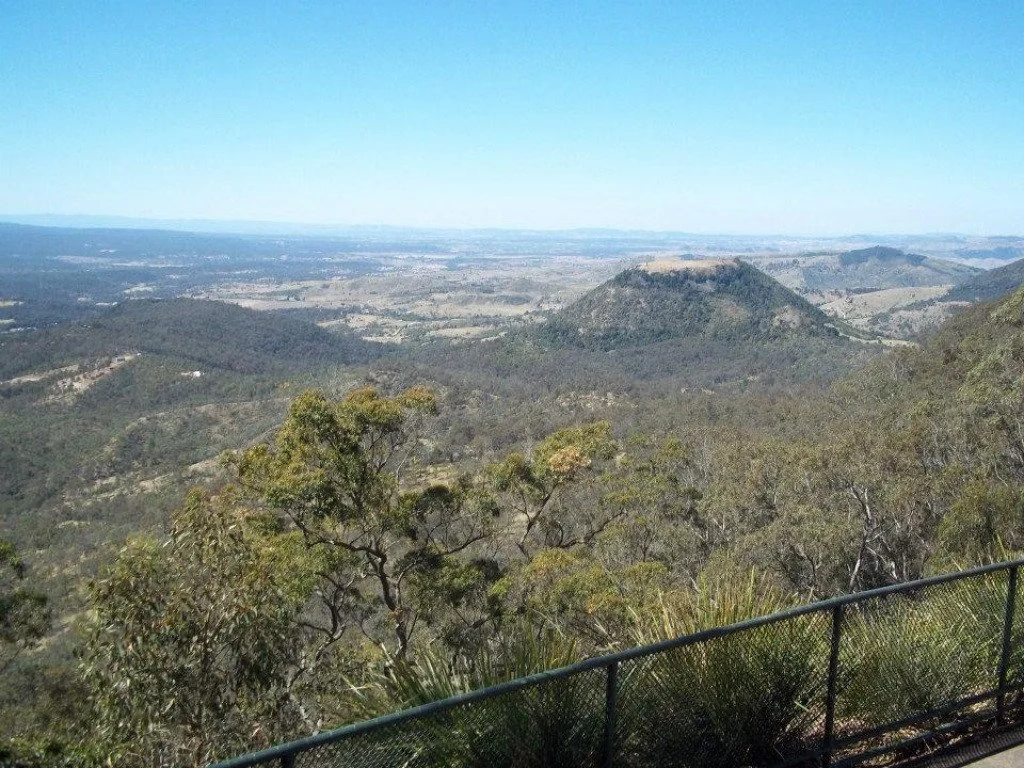
End every shooting day on the escarpment. Picnic Point's views over the Lockyer Valley and Tabletop Mountain deliver the region's best sunset, with foreground gardens if you want them. Bring a longer lens for the valley compression shot.
Drones: mostly no
Assume drones are off the table around festival events, parks and crowds — CASA rules prohibit flying over people, and festival event conditions add their own restrictions. If you want aerials of the Downs in spring, fly well away from the festival footprint, and check current CASA regulations and any council rules first.
Etiquette in one paragraph
Personal photography is welcomed throughout the Carnival. Stay out of the beds, don't monopolise the obvious vantage points on busy days, ask before photographing garden owners in the private gardens, and be generous — the retired couple wanting a photo together in front of the tulips will take you eight seconds and make their day.
The light timetable: when to shoot what
The Carnival's photographic day has a rhythm worth planning around. Dawn to 9am: mist and first light for overnighters — Queens Park with nobody in it, long shadows, dew still on the beds. 9–11am: the working window — angled soft light, fresh-tended displays, and crowds thin enough to compose around. 11am–2pm: harsh top light; retreat to Ju Raku En's reflections, the fernery shade, or macro work where you control the frame. 2–4pm: the light kindens again as coaches leave. Golden hour: Picnic Point, full stop — the escarpment panorama that justifies the tripod's seat on the coach.
Build the day backwards from that table and you'll out-shoot photographers with twice the gear and half the plan.
The location playbook: eight setups that always deliver
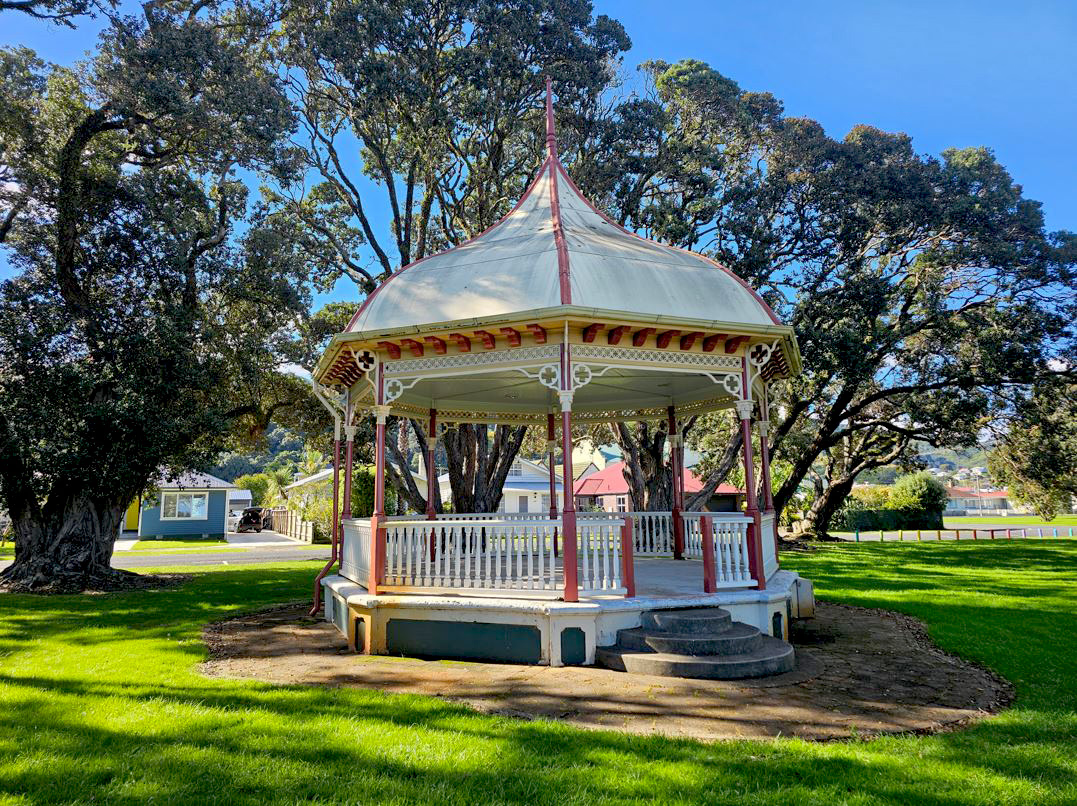
The rotunda through the beds — Queens Park's signature composition; shoot low along the bed lines for foreground colour and let the heritage bandstand anchor the frame. The mass-bed abstract — long lens, compressed rows, colour blocks filling the frame edge to edge. Ju Raku En's reflection line — windless early afternoon, lake as mirror, one stone lantern doing the work. Spring Bluff from the platform — heritage rail plus cascading beds; mornings before the coaches for clean frames.
The parade pan — floats move quicker than they look; 1/250th minimum or embrace deliberate motion blur from a kerb corner with a long approach view. The decorated-home portrait — from the footpath, house and garden as one composition; these are homes, so shoot with the courtesy you'd want. The Picnic Point panorama — polariser on, horizon disciplined, Table Top Mountain as the anchor. The macro study — bed-level, backlit petals, bees on approach; when the wide shots are crowded, go close and the crowd disappears.
Gear that earns its place (and gear that doesn't)
The Carnival rewards a small, honest kit. Earns its place: one wide-to-normal zoom for beds and architecture, one longer lens for parade and compression work, a polariser for the escarpment skies, macro capability of any kind, and a spare battery because cold mornings tax cells. A travel tripod earns its seat only if you'll genuinely use golden hour or Ju Raku En's low-light corners — on a day tour, it's dead weight; on a weekend, it's the difference-maker.
Doesn't earn its place: the full bag. You'll walk kilometres between setups, and every festival year the happiest shooters are the ones who chose two lenses and stopped thinking about it. Phone photographers, meanwhile, should learn their macro and portrait modes before the trip — modern phones eat this festival alive at close range and wide vista alike, and every technique in this guide except the parade pan translates directly.
Parade day craft
The parade is sports photography wearing petals. Position beats equipment: corners give you the long approach and the turn; the Queens Park end gives arrival celebrations; elevation — a step, a low wall — clears the heads in front. Arrive early enough to own your kerb metre, shoot the build-up (float marshals, band warm-ups, kids on shoulders), and when the floats roll, work bursts: faces and details over full-float record shots, which the local paper will take better anyway.
And when the last float passes, don't pack up — walk to the gardens. The parade empties them, the light is turning kind, and the hour after the parade is quietly the best garden-shooting window of the entire festival's busiest day.
People, permission and festival etiquette
Festival photography is people photography whether you plan it or not. The working rules: crowds at public events are fair game in law and in spirit — individuals singled out deserve a smile and a nod at minimum, and a word if the shot is clearly *of them*. Children: photograph your own; for anyone else's, ask the parent, every time, no exceptions. The decorated homes are private property performing a public service — footpath only, and if the gardener's out front, the compliment costs nothing and often earns you the story behind the garden.
Working gardeners in the public beds are generally happy subjects — they're proud of the work — and drone pilots should assume the answer is no near crowds and check current rules besides. The festival runs on goodwill; photographers who add to it get better pictures.
Editing the Carnival palette without breaking it
The festival hands you saturation most editors spend careers faking — so the discipline is restraint. Protect the reds and magentas from clipping (tulip beds die first in careless grades), lift shadows gently rather than flattening contrast, and resist the vibrance slider's flattery: the beds are already at eleven. White balance off the paths or foliage, not the flowers. For the escarpment panoramas, a graduated adjustment on sky beats global drama every time.
And keep one edit honest: the version you'd show the gardener. Forty million petals were planted for this; they mostly just need witnessing.
A shot list for the day-tour photographer
If you're shooting the Carnival from a coach day tour, the day gives you five distinct sessions — plan them and you'll come home with a set, not a shuffle. Session one, Picnic Point: the valley panorama plus a detail of morning tea in the foreground for narrative. Session two, Queens Park: the rotunda setup, two mass-bed abstracts, one macro, one human moment among the flowers. Session three, free time: market colour, laneway murals, the cafe still-life. Session four, Laurel Bank: archways, the scented garden's detail work, the themed display's wide establishing shot.
Session five, the decorated homes: through-the-window compositions — clean glass, lens close to it, and the guide's slow pass past the champions doing the rest. Five sessions, perhaps forty keepers, one coherent story of a festival day. The discipline of the list is the trick; the coach handles everything else.
The weekend photographer's extra hours
Overnight formats hand you the sessions day tours can't reach, and they're the best ones. Dawn in Queens Park: mist on the beds, streetlamp warmth against blue hour, not one other tripod. Golden hour at Picnic Point — properly, with time to work it, rather than glimpsed at the wrong hour. The evening city: heritage facades and cafe glow along the CBD, festival lights in season. Spring Bluff at Sunday breakfast: the platform gardens in raking light before the day-tripper wave. Each is routine on the weekend itineraries and impossible on a same-day return — which is, photographically speaking, the entire argument between the formats.
The phone-only playbook
No camera bag, no apology — modern phones eat this festival. The moves: macro mode at bed level for the petal studies; portrait mode against massed colour for the people shots (background blur turns any bed into a studio); the ultra-wide held low for the rotunda-through-beds classic; burst for the parade; and the panorama saved for Picnic Point where it actually earns its stitching. Clean the lens before every session — pocket lint has ruined more Carnival sets than weather ever has — and shoot in good light rather than fixing bad light later. Every timetable and setup in this guide applies unchanged; the phone just carries lighter.
Sharing, printing and the competition angle
Give the work somewhere to land. The festival's social tags put your set into the year's collective album — and the organisers' channels regularly re-feature strong visitor work, which is a pleasant afternoon's fame. Print the best three: massed florals are made for large formats, and the rotunda composition has hung on more Queensland walls than any judge could count. Camera-club members: Carnival sets score consistently in nature and pictorial categories, and a champion private garden shot with the owner's blessing carries a story judges remember. And send the gardener their garden — the easiest gift photography ever gives.
The rain plan
A wet forecast is a reallocation, not a cancellation. Showers polish the beds — post-rain colour saturation is the festival's best free filter — and drops on petals hand macro shooters their finest hour. During actual rain: Ju Raku En turns atmospheric, the fernery and museum go moody-good, and the laneway murals shoot beautifully under umbrellas. The golden rule is protection over abstinence — a lens cloth, a plastic sleeve, and the willingness to be outside three minutes after the shower ends, when the light goes silver and every path becomes a reflector. Some of the best Carnival photographs ever taken were made ten minutes after everyone else gave up.
Six frames that make the complete Carnival set
Cull ruthlessly and a festival shoot resolves into six frames that tell the whole story. The establishing wide: Picnic Point's valley, morning, polarised. The signature: rotunda through the tulip beds. The abstract: massed colour, compressed, no horizon. The human: someone small inside something blooming — a child at tulip height, a gardener mid-bed, grandparents on a bench doing absolutely nothing except correctly. The detail: one backlit petal study. The closer: golden hour, long shadows, emptying lawns — the festival exhaling.
Everything else you shoot is joy, practice or insurance, and should be enjoyed as such. But if six frames come home strong, the set is made — printable, postable, and honest to what three weeks of planted performance actually feels like. Most photographers leave with four hundred pictures and no set; the list is how you leave with both.
The photographer's booking notes
Format choice is lens choice, at festival scale. Day tours suit the disciplined shot-list shooter — five sessions, good hours at the big two, gear kept light. The Deluxe suits the unhurried: small group, tripod tolerance, Ju Raku En's reflections and a champion garden in the bag. The weekends suit the obsessed, for the dawn-and-golden-hour arithmetic covered above. Whichever carries you, seat yourself left side going up the Range for the valley views, claim the front rows ($5 on the Classic tours) if roadside frames tempt you, and tell the driver you shoot — Cooee drivers have been positioning photographers at these locations for years, and their unofficial location notes are better than most guides, this one cheerfully included.
A word on patience, the only technique that matters
Strip away the timetables and setups and one habit separates the memorable Carnival sets from the merely complete: waiting. Wait at the rotunda until the path clears — it clears more often than the crowd suggests. Wait at the bed until the bee arrives; it's commuting, it will. Wait at Picnic Point past the first good light, because the second good light ten minutes later is usually better. The festival is three weeks long and your best frame is somewhere inside a two-minute window you can't schedule — photographers who build slack into the day catch it, and photographers who route-march the shot list photograph the schedule instead.
This, finally, is the quiet argument for the unhurried formats — the Deluxe's loose leash, the weekend's owned hours — and for the midweek dates where waiting costs nothing. Forty million petals were grown for a three-week performance; give the performance the minutes it asks for, and it repays them in frames you didn't plan.
The five-minute pre-trip checklist
Night before: batteries charged, cards empty, lenses clean, bag culled to two lenses and the polariser. Check sunrise time and the bloom report. Morning of: lens cloth in pocket, layer on body, water in bag; phone shooters clean the lens and clear storage. On arrival: first frame within ten minutes — it breaks the windscreen trance and starts the eye working. And the one professionals actually keep: photograph the boring establishing shot of every location first, because future-you assembling the set will need it, and present-you chasing tulips will otherwise forget. That's the whole ritual; the festival supplies everything else.
The archive habit
Last craft note: date and keyword your Carnival set before the month ends, because this festival compounds. Shooters who return find themselves building a year-on-year archive — same rotunda, different design; same bed, new palette — and the comparative sets become the most interesting work of all, a private record of a city redrawing itself in flowers annually. Some of the best local Carnival photography spans decades for exactly this reason. Start the archive properly this year and future-you, editing the 2036 set, will be grateful for the discipline.
Final frame: lower the camera at least once. The festival's oldest paradox is that its best audiences are the ones who occasionally stop recording it — one full bed, walked slowly, lens capped. The photographs will be better for the eyes that remembered what they were for.
Filming the Carnival: notes for the video-minded
Everything in this guide so far assumes stills, but the festival is increasingly shot in motion, and video wants its own discipline. The Carnival's moving pictures are short and deliberate: a slow walking push along a Queens Park bed, camera low and steady; a locked-off wide of the parade with floats crossing the frame; a handheld drift through the scented garden with the audio left honest. That last point matters more than any lens choice — the festival's sound is half its atmosphere, all brass bands, crowd murmur and bee-hum, and clips that keep their real audio outlive clips scored with whatever was trending that week. Shoot in ten-second commitments rather than long wandering takes, and think in threes: wide establishes, medium moves, close-up pays it off.
The classic sequence errors are the stills errors wearing different clothes: filming at noon, panning like a lawn sprinkler, and shooting forty clips of tulips with no human being in any of them. Fix the last one first — a companion walking into frame, a gardener deadheading, hands and coffee at a market stall — because motion without people is a screensaver. Golden hour at Picnic Point, already this guide's still-photography summit, is even better in video, where the light visibly changes across a single take. And the phone in your pocket is entirely sufficient: stabilised, wide-and-tele, and always with you at the exact moment the parade turns the corner.
The coach-window craft
Photographers who ride the coach up the Range inherit a genre the drivers never get: the moving frame. The climb out of the Lockyer Valley serves escarpment views that exist nowhere else on the itinerary, and shooting them through glass has real technique — lens close to the window without touching it, angled to kill reflections; shutter fast and forgiving; and subjects picked at middle distance, where the motion blurs least. Shoot bursts on the sweeping bends, delete freely, and treat anything sharp as the bonus it is. The same seat turns productive again on the descent, when the day's real work begins: the ride home is the natural culling session, first pass done at coach altitude while the light that made each frame is still fresh in memory.
There is also a compositional argument for arriving this way. The Brisbane Carnival day tour delivers you to the gardens inside the soft-light window with both hands free and no parking adrenaline in the system — a photographer who hasn't fought the Range for a park walks into Queens Park noticeably calmer, and calm photographers work slower, see more and spray less. Add the practical perks (gear stays on the coach between stops; nobody minds the tripod in the luggage bay) and the coach reads less like transport than like a mobile camera bag with commentary.
The purple sequel: shooting jacaranda season
When the Carnival's beds come out in October, Toowoomba's photographers do not pack up — they change palette. Late October into November the city's jacarandas flower, and the photographic problem inverts completely: instead of saturated multi-colour beds at ground level, you are shooting a single violet note held across whole streets, overhead and underfoot at once. The craft notes differ accordingly. Backlight is the jacaranda's best friend, turning the canopy translucent; the fallen carpet is half the picture, so arrive after the bloom has been dropping for days rather than at first flower; and compositions want a counterweight — heritage brick, a red roof, a figure in plain clothing — because an all-purple frame is a swatch, not a photograph.
The season also restores everything September rationed: empty streets, easy angles, no bed-side queues, and light you can work at leisure. Treat it as the Carnival's decompression chamber — same city, same camera, opposite tempo — and the two trips together produce a Toowoomba portfolio with genuine range, spring riot and violet hush in one set. Our jacaranda season guide covers the where and when in full; photographically, the summary is that the Garden City runs a second, quieter exhibition after the festival crowds go home, and the photographers who know about it outnumber the ones who admit it.
Location homework pays at golden hour: our guides to Picnic Point, Queens Park, Ju Raku En and Spring Bluff cover the angles, light and access each spot rewards.
See the Carnival the easy way
Cooee Tours runs Carnival day tours from Brisbane ($89pp), the Gold Coast ($99pp) and the Sunshine Coast ($109pp), plus a $159 small-group Deluxe Experience with lunch included — no traffic, no parking, local driver included.
Carnival of Flowers Tours