The Toowoomba Spring Weekend Escape
One day at the Carnival is a highlight reel. Two days is a holiday. Here's the weekend shape that works.
Why two days changes everything
A day trip has to choose: parade or private gardens, Queens Park at length or Ju Raku En at all, lunch on the run or lunch that lingers. A weekend doesn't. You see the festival on day one and the region on day two, and you do both at the pace spring on the Downs deserves. You also get the part day-trippers never see — the festival's evenings, and the city exhaling after the coaches leave.
Day one: the festival, unhurried
Run the classic circuit — Queens Park in the morning light, Laurel Bank before lunch, a long midday in the CBD's cafes or whatever feature event your weekend lands on, then the private competition gardens or Ju Raku En in the afternoon. Finish at Picnic Point for golden hour over the Lockyer Valley, then stay out: dinner in town, evening entertainment on feature weekends, and no drive home hanging over the night.
Pick your weekend by personality: parade weekend for spectacle, FEASTival for food, the final long weekend for family and four full days.
Day two: the Downs
Morning at Spring Bluff Railway Station, the historic stop halfway down the Range wrapped in award-winning spring gardens — the most photographed scene in the region for good reason. Then north to Highfields for village shopping, gardens and coffee, or south along the escarpment for a cellar-door lunch with views off the Range. Roll home mid-afternoon, full and unhurried.
The booking reality
Festival weekends book out months in advance — accommodation first, then the ticketed events. If you're planning your own weekend, move now and read our accommodation guide. If you'd rather the weekend arrived pre-assembled, that's precisely what our 2-Day Overnight Garden Experience from $595pp is: coach, itinerary, gardens, Downs touring and accommodation options in a single booking.
Spring is the Downs' season
The Carnival is the headline, but it's really a celebration of the fact that the Darling Downs in spring — 700 metres up, crisp mornings, blue days, gardens and paddocks running to the horizon — is simply Queensland at its most gracious. The weekend escape is how you actually notice.
What spring at 700 metres actually feels like
Before the itineraries, a word about the physical experience, because it catches Brisbane visitors out every year. Toowoomba sits around 700 metres up on the crest of the Great Dividing Range, and spring there is a genuine four-part day: mornings that can open below ten degrees with mist in the Range folds, a warm blue middle that peaks in the low-to-mid twenties, a golden late afternoon, and an evening that turns crisp the moment the sun drops. That daily arc is precisely why the gardens grow what they grow — tulips, poppies, ranunculi and the whole cool-climate repertoire that coastal Queensland cannot hold — and it's also why the weekend escape feels like interstate travel achieved in ninety minutes.
Pack accordingly, which means pack contradictorily. You want a proper warm layer for the early garden starts and the evenings, sun protection for the middle of the day, and shoes that will do ten unglamorous kilometres of lawn, gravel and laneway without complaint. Spring on the Downs can also throw a westerly or a sharp shower across an otherwise perfect weekend, so a light rain shell earns its place in the bag. The reward for carrying one extra jumper is being comfortable at the exact hours — first light and dusk — when the gardens and the escarpment are at their best and the underdressed have retreated to their cars.
How the massed displays are actually made
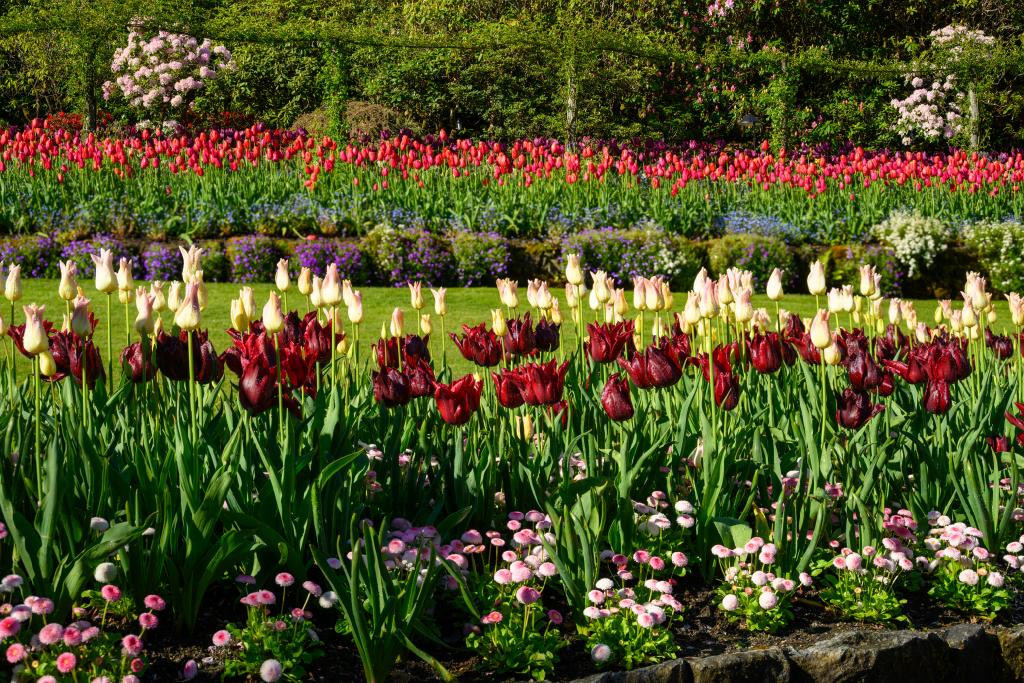
It sharpens the weekend to know what you're looking at. The famous spring beds in Queens Park and Laurel Bank are not perennial borders that return each year on their own; they are engineered annual displays, planned around a theme, raised from seed and bulb in the tens of thousands by Toowoomba Regional Council's nursery operation, and planted out in autumn to a schedule that gambles months of work on September weather. Tulips are pre-chilled to convince them a Queensland winter was colder than it was; annuals are timed in waves so the beds peak across the festival window rather than for a single weekend. It is horticulture run with the logistics discipline of an event build.
That's also why no two years repeat. The colour schemes, cultivar lists and bed layouts change annually with the theme, which is how a festival in its eighth decade keeps drawing repeat visitors who have seen it ten times. Stand at a bed's edge and look for the details the crowds walk past: the graduated heights from border to centre, the interplanting that keeps a bed full as early varieties fade, the sheer evenness of bloom that only comes from ruthless nursery selection. The weekend visitor who understands the machinery admires the show twice — once for the colour, once for the craft.
Queens Park at spring pace: mornings around the rotunda
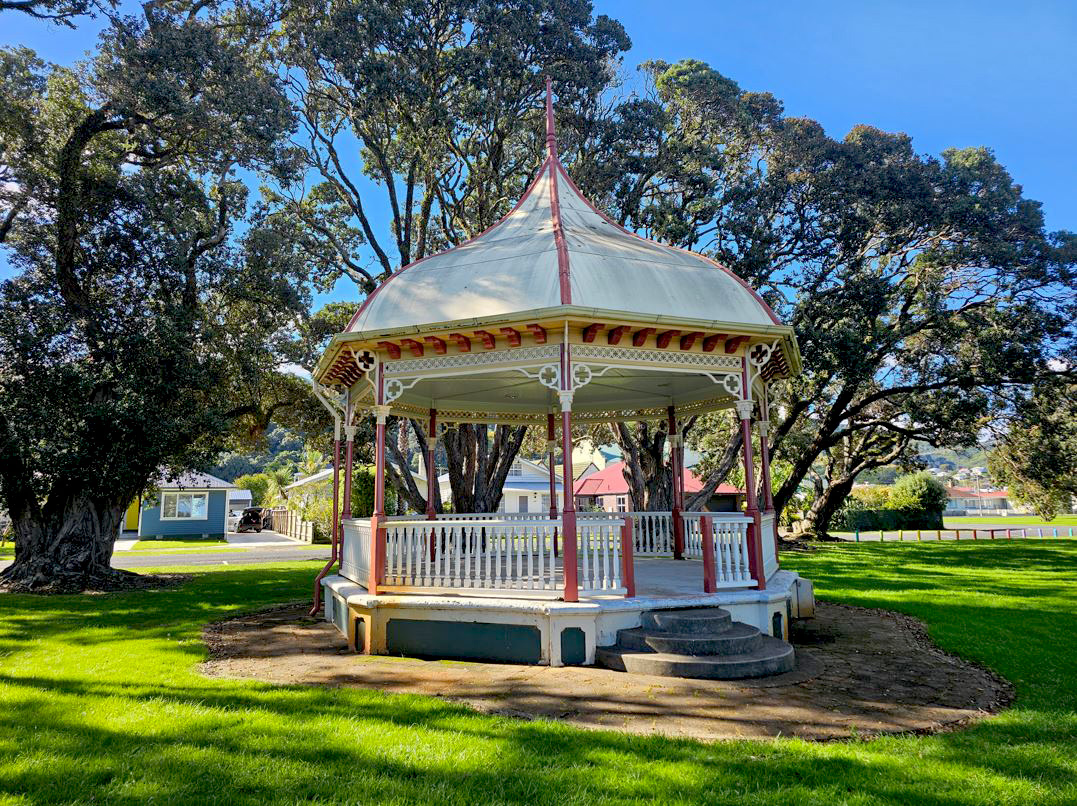
The day-one circuit gives Queens Park the morning; here is how to make that morning count. Arrive at opening pace — before nine if you can manage it — and enter with the sun still low, when the beds hold dew and the light comes through the mature figs at an angle photographers cross the state for. Do one slow full lap before you photograph anything: the display beds are composed to be read in sequence, and the first lap tells you where you'll want to linger. The band rotunda precinct is the park's spring heart, the massed beds radiating around the white heritage bandstand, and on festival weekends it earns its reputation as the most photographed structure on the Downs.
Then let the park be a park. Claim a bench, buy the coffee, and watch the place fill — dog-walkers giving way to families, tour groups arriving in waves, the lawn slowly disappearing under picnic rugs. Part of the case for the overnight escape is exactly this: the day-tripper must extract Queens Park's highlights and move on, while the weekender can afford the hour of sitting still in it, which is, not coincidentally, the hour people remember. The park's roughly 26 heritage-listed hectares are free, open dawn to dusk, and five minutes' walk from the CBD's cafes.
Laurel Bank in spring: the scented hour
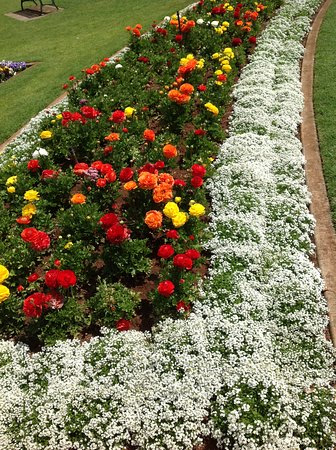
Laurel Bank Park earns its day-one slot for a reason that has nothing to do with scale. At around 4.5 hectares it is a fraction of Queens Park, but its spring identity is concentration rather than spectacle: heritage roses coming into first flush, themed annual beds tended to competition standard, croquet lawns setting a deliberately Edwardian tempo, and — its signature — the scented garden, planted so that fragrance rather than colour carries the design. In spring that garden is at full strength, and walking it slowly, eyes half-closed, is the single most underrated fifteen minutes of the whole festival circuit.
Tactically, Laurel Bank is your crowd valve. When Queens Park reaches peak-festival density around late morning, Laurel Bank across town is usually still operating at civilised capacity, which is why the itinerary sequences it before lunch. Give it a full hour rather than the drive-by many visitors allow; the park rewards the third look — the bed you walked past turns out to be the best one — and the surrounding streets add jacaranda and heritage-house texture on the walk back to the car. Entry, as with all the city's parks, is free.
Inside the champion private gardens
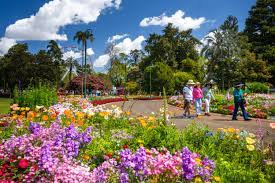
The competition gardens are the part of the weekend that has no equivalent anywhere else in Australia, and they deserve more than the passing mention in the day-one plan. Toowoomba's Chronicle Garden Competition has run for decades, and during the Carnival the winning and placing gardens — private backyards, whole suburban blocks, sometimes multi-generational family obsessions — open their gates to the public. You are walking through someone's actual garden at the absolute peak of a year's deliberate work: borders timed to the week, lawns cut with rulers, glasshouse benches staged like jewellery counters, and, very often, the gardener themselves in attendance and delighted to talk cultivars.
Treat them as the day-one afternoon's main event rather than an add-on. The open gardens are spread across the suburbs, so cluster your visits geographically and allow more time than the modest street frontages suggest — the best of them unfold backward off the street in rooms, like houses. Some open free, some charge a small entry, and hours vary garden to garden, so check conditions locally when you arrive. Etiquette is simple: stay on the paths, ask before photographing people, and buy the sausage-sizzle item if one is offered, because that is how the host club funds next year. Our guide to the best gardens of the Carnival ranks the circuit in detail.
Choosing your weekend: the four festival personalities, expanded
The pull-quote above compresses a real decision, so here is the long form for 2026. The opening weekend (18–20 September) carries the festival's biggest single event — the Grand Central Floral Parade on Saturday 19 September — plus opening-weekend energy and the beds at their absolute freshest; it is the spectacle choice and the most contested for accommodation. The following weekend (26–27 September) belongs to FEASTival, the festival's food and drink program, which turns the weekend into a producers-and-plates affair layered over the gardens; it is the eating choice. The middle stretch of the festival trades a little of the event calendar for noticeably easier logistics.
The final weekend runs into the Queen's birthday long weekend and closes the festival on 4–5 October with the Paw Parade on the Sunday — the family-and-dogs choice, with three or four days to play with and beds that have matured rather than faded. There is no wrong answer, only mismatches: the parade weekend frustrates visitors who wanted quiet gardens, and the mid-festival lull disappoints those who came for occasion. Decide what the weekend is for — spectacle, food, family or flowers — and the calendar picks itself.
The festival after dark: Toowoomba's spring evenings
The strongest argument for the overnight escape is the part of the festival that happens after the day coaches leave. On spring evenings the city changes register: Margaret Street's heritage awnings light up, the restaurant and wine-bar strip fills with a crowd that skews local, and on feature weekends the festival runs evening programming that day-trippers structurally cannot attend. The air does its 700-metre trick — genuinely crisp within an hour of sunset, even after a warm day — and the walk between dinner and your accommodation through lit Victorian streetscapes becomes, unofficially, one more garden visit.
Plan the evenings with the same intent as the days. Book the Saturday dinner well ahead, because the city's best rooms are small and festival weekends fill them twice over; check what's on at the Empire Theatre, whose restored auditorium is worth attending almost regardless of the bill; and finish with the short detour to see Queens Park's edges under lights. Then have the unhurried second coffee on Sunday morning while the day-trip traffic labours up the Range — the single smuggest moment the weekend escape offers, and it offers several.

Eating the Downs: the weekend's food agenda
Spring is also the Darling Downs' table at its best, and the weekend should be eaten deliberately. The region grows a startling share of its own menu — Downs beef, Lockyer Valley vegetables from the valley you crossed on the way up, orchard fruit from the Granite Belt to the south — and Toowoomba's kitchens, from serious dining rooms to country bakeries with generational pie reputations, lean into that supply chain hard. The city's coffee culture stands on its own merits, with local roasters supplying a CBD cafe belt dense enough to justify a dedicated crawl between gardens.
If your weekend lands on 26–27 September, FEASTival hands you the agenda: the festival's food program stacks producers, stalls, plates and pours into a single program and is the one weekend where the food genuinely rivals the flowers for billing. On any other weekend, build your own smaller version — bakery morning tea between the parks, a producer-driven lunch, one properly booked dinner. The full culinary map, venue by venue, is in our food and wine guide to the Carnival.
Photographing the spring weekend
A weekend gives a photographer what the day trip never can: both golden hours, twice. The schedule that works — Queens Park at Saturday opening for dew and low light through the figs; the private gardens in the forgiving mid-afternoon; Picnic Point for the full run of Saturday golden hour, where the east-facing escarpment view means the late sun works from behind you and pours colour onto the Lockyer Valley floor; then Spring Bluff on Sunday morning, when the railway cutting holds soft shadow long after the ridges light up. Margaret Street's lit awnings fill the Saturday blue hour if you have anything left.
Craft notes for the beds themselves: shoot early or late and skip the flat middle hours; get low, because tulips photographed from standing height become lawn; and use the crowds rather than fighting them, since a garden festival with no people in frame is a lie anyway — a single figure on a path gives the bed its scale. Overcast is a gift for close work and a tax on the wide shots, so hold a flexible running order. Pack the spare battery; spring cold at 700 metres eats charge faster than Brisbane teaches you to expect.
The family version of the spring escape
The weekend structure suits families almost suspiciously well, because it halves each day's ambition and adds an evening swim or early night as a pressure valve. Day one: Queens Park's playground precinct is among regional Queensland's best and buys the adults their flower time by rotation; the parade (if you've chosen that weekend) is peak spectacle for children provided you stake out shade and snacks early; and one private garden is plenty — pick the one with the model railway or the fish pond, which the circuit reliably supplies somewhere. Day two's Spring Bluff run has trains built into the scenery, and the loop home through the villages supports a strategic ice-cream stop.
The closing long weekend deserves special mention for families: the Paw Parade on 4 October brings the dogs out in costume, the extra day removes all scheduling pressure, and the mature beds are still in full show. Wherever your weekend lands, the same three rules hold — mornings for the gardens while energy is high, one scheduled thing per day, and accommodation with somewhere to run. The rest of the festival fits itself around a family that isn't rushing surprisingly gracefully.
The second act: jacaranda season, spring's quiet encore
Here is the local secret that reframes the whole calendar: spring in Toowoomba does not end when the Carnival packs down. Through late October and November the city runs an unofficial second festival as the jacarandas come into bloom, washing the older streets, park edges and escarpment suburbs in purple — with no events, no crowds, and accommodation booking like a normal regional city again. November's logistics are September's with the difficulty setting lowered, and for travellers who want the spring escape without the festival machinery, it is arguably the shrewdest weekend of the year.
The itinerary needs no surgery. The parks still anchor day one — Queens Park's fringes and the surrounding heritage streets carry some of the best purple canopies — and the day-two Range circuit is unchanged, with the Downs green from spring rain and the air still carrying the last of the cool. Photographers should aim for the week just past peak bloom, when the fallen carpet doubles the colour at ground level. Timing, streets and the full case are in our jacaranda season guide.
The pre-assembled version: Cooee's spring weekend tours
Everything this guide describes can be booked as a single decision. Cooee Tours' 2-day Toowoomba weekend tour, from $595 per person, runs the escape in its classic shape: coach from Brisbane up the Range with a local driver-guide, the festival gardens and private-garden circuit on day one, the Spring Bluff and Downs touring on day two, overnight accommodation arranged, and the Sunday-evening run home while you doze. It exists for the exact reader this article keeps describing — the one who wants the unhurried version of spring on the Downs without personally administering the accommodation scramble, the parking sport or the Range traffic.
For travellers who keep re-reading the day-two options and wanting all of them, the 3-day weekend tour, from $880 per person, adds the third day that lets the wider Downs — the villages, the gardens beyond the city, the long lunches — into the itinerary properly. Festival-season departures for both sell out first, comfortably ahead of spring; book early, and call 0409 661 342 or email contact@cooeetours.com.au for dates, pick-up points and group arrangements.
Missed 2026? The 2027 dates are already set
Spring plans have a way of colliding with real life, so file this for next year: the Carnival of Flowers has confirmed its 2027 season, running 17 September to 4 October 2027 — the 78th festival. The structural advice in this guide carries over intact, because the festival's shape is stable even as its themes and plantings change: an opening parade weekend, a food-program weekend, a quieter middle, and a family-flavoured closing long weekend. The gardens will be different in detail — that is the point of them — but the weekend-escape logic is evergreen.
The practical takeaway is about lead time. The accommodation and tour departures for a September festival begin filling in autumn, and the best weekends go first; planning a 2027 escape in the first half of the year is not keenness, it is simply how the market works. Set the dates in the calendar now, decide which festival personality you're booking for, and let future-you enjoy the rare pleasure of a spring weekend that was organised before winter.
Last honest tips before you book
A closing handful of advice this guide has earned the right to give. Commit to the early starts — the difference between Queens Park at eight and Queens Park at eleven is the difference between a garden and a concourse, and the weekend's whole advantage is the freedom to be there for the former. Under-plan day two on purpose; the Range roads, village stops and escarpment lookouts reward improvisation, and the best hour of many weekends turns out to be one nobody scheduled. Book the beds and the Saturday dinner absurdly early, and treat everything else as flexible.
And calibrate expectations correctly: this is not a coastal resort weekend, and that is its entire value. The Toowoomba spring escape is gardens at their annual peak, cool air, long meals of local produce, heritage streets, and an escarpment sunset — a set of pleasures that reward slowness and curiosity rather than itinerary-sprinting. Go with the unhurried mindset the Downs itself runs on, and the weekend delivers something a day trip mathematically cannot: the feeling, somewhere around Sunday's second coffee, of having actually been away.
Build the weekend from the pieces: our guides to Queens Park, Spring Bluff and Highfields cover everything this escape strings together.
See the Carnival the easy way
Cooee Tours runs coach day tours from $89pp and 2-day overnight tours from $595pp — no traffic, no parking, local driver-guide included.
Carnival of Flowers Tours