Shanghai is easiest to enjoy when you stop treating it as one skyline photograph. The Huangpu River, the Bund, Pudong, gardens, museums and neighbourhood streets offer different versions of the city. Three full days give you time to compare them without repeatedly crossing town for unrelated attractions.
This plan groups outings by area and leaves space for meals and rest. It assumes an arrival before the first sightseeing morning and a departure after day three. Choose your hotel and any timed reservations first, then move the days around if an opening calendar or the weather suggests a better order.
At a glance
| Day 1 | The Bund and an optional Pudong visit |
|---|---|
| Day 2 | Yuyuan and one neighbourhood route |
| Day 3 | A museum or personal-interest day |
Choose a base around your interests
For a first visit, look at the connection between your hotel, the Bund and the neighbourhoods you intend to explore. A convenient station and a straightforward route home can matter more than the tallest building or the most famous hotel address. Check the walk from the station exit to the property entrance rather than measuring from a station symbol.
Decide whether river views are a priority worth paying for or something you would prefer to enjoy on a walk. If you choose a Pudong hotel, consider how often your plans will take you to the other side of the river. If you stay on the western side, allow a dedicated block for Pudong instead of fitting it into every evening.
Save your hotel address in Chinese and confirm luggage storage if you arrive before check-in. A late departure can be pleasant when your bags are secure and the airport transfer is already planned. It becomes less pleasant if you are carrying luggage between attractions.
Day one: the Bund and the river
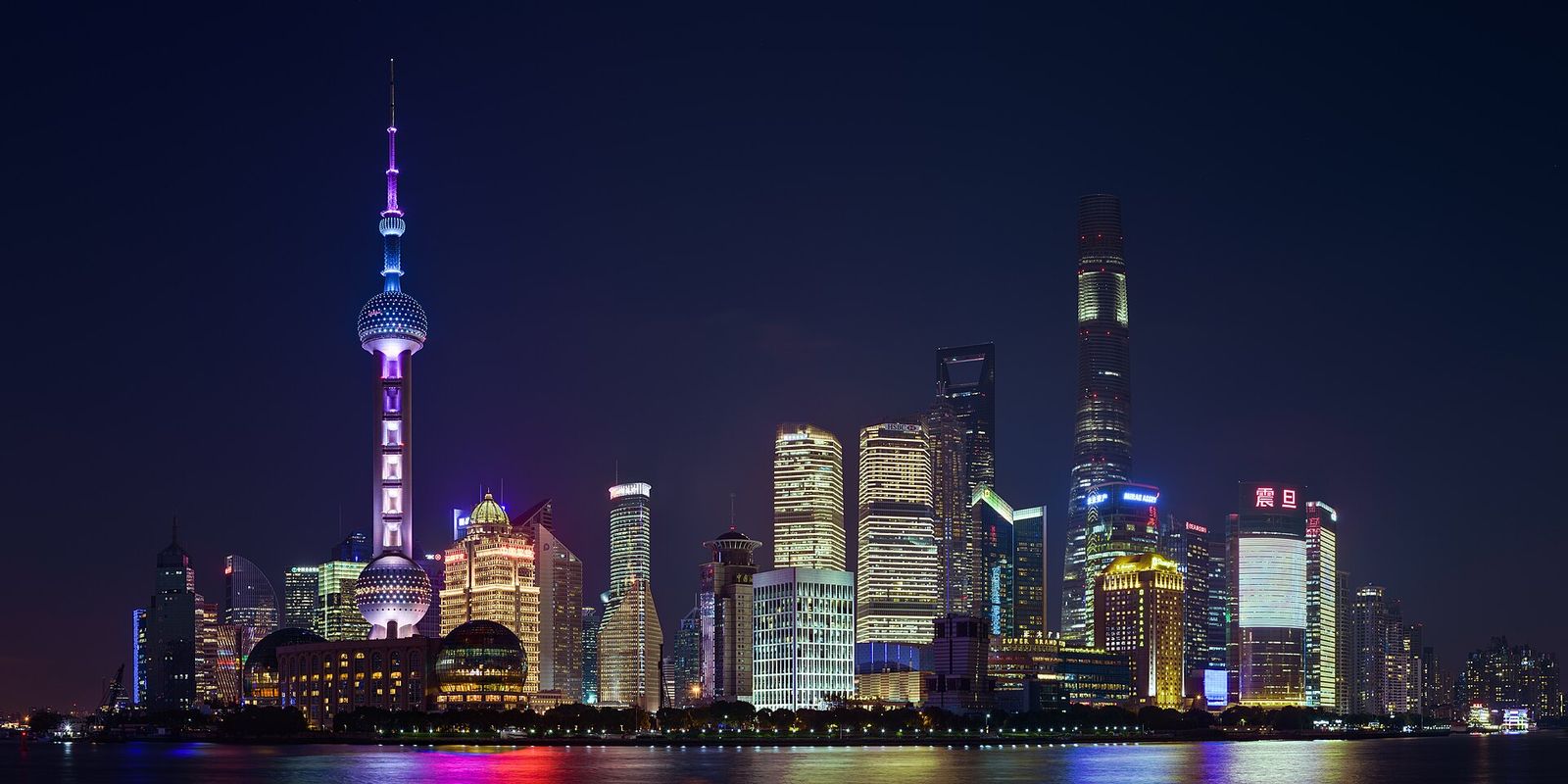
Begin with the Bund, where the waterfront brings historic buildings and the Pudong skyline into the same view. Take time to walk, look back and notice how the perspective changes. You do not need to buy an observation-deck ticket to appreciate this part of Shanghai.
Build the day around one riverbank before deciding whether to cross. If architecture interests you, look closely at the streets behind the waterfront and choose a relaxed lunch nearby. If photography is your priority, plan a second visit for a different light rather than staying out all day waiting for the evening.
Pudong can form the second half of the day, particularly if you want a tower visit. Compare the specific attraction, viewing level, current admission and conditions before paying. An observation deck is an optional experience, not a requirement for a complete Shanghai visit. In poor visibility you may prefer to save the expense for a different activity.
Return to the Bund after dark only if you still have the energy. Check the transport route home before settling into dinner. Do not rely on a particular lighting display running at an assumed time; enjoy what is operating on your date and keep the evening flexible.
Day two: Yuyuan and a slower neighbourhood afternoon
Make the Yuyuan area the focus of the morning. Separate a visit to the garden from time in the surrounding shopping and dining streets when you plan your day; they are not a single interchangeable attraction. Check the garden’s own admission and opening arrangements, and avoid scheduling a tight onward commitment before you know how long you want to stay.
Lunch is a good opportunity to explore Shanghai’s food traditions. Xiaolongbao are soup dumplings associated with the city, while pan-fried buns offer a different texture and eating experience. Order a manageable amount first, check the filling and add more if you would like to. A busy-looking restaurant is not a substitute for checking ingredients that matter to you.
For the afternoon, choose one neighbourhood route. Xintiandi can introduce shikumen-style architecture in an adapted urban setting; another option is a quieter walk around streets, shops and cafés that interest you. Use a map to join a small cluster of places rather than making a long list of isolated addresses.
Leave time to sit down. Shanghai is rewarding at street level, but a day that combines a garden, a shopping area, a substantial lunch and a neighbourhood walk is already full. If you enjoy browsing, accept that it may replace another attraction rather than being squeezed between two appointments.
Day three: a museum or a personal-interest day
Use the final day for something that goes beyond the usual skyline itinerary. Shanghai Museum is one option, but check the current exhibition, venue and reservation instructions carefully: do not assume that a particular collection is at the address shown in an old article. Book directly through the museum’s official information where possible.
Choose an exhibition because the subject interests you. A shorter visit with time to read and reflect can be more satisfying than trying to see every gallery. Follow it with lunch and a park, a shopping district or a return to a favourite street. Keep the afternoon adaptable if a museum visit lasts longer than expected.
A day trip outside Shanghai is an alternative, but it changes the rhythm of this three-day plan. Before adding one, count the hotel-to-station travel, train journey and local transfer at the other end. If your main reason for coming is Shanghai itself, another unhurried city day may be the better use of time.
Make practical decisions before you are tired
Save the names and addresses of your main destinations in Chinese, and keep important confirmations available offline. Know which transport app or ticket method you intend to use, and have a workable alternative if your first payment method fails. Test essential arrangements early in the stay rather than at the end of a late evening.
For the airport, check the exact airport and terminal on your booking. A city name alone is not enough to plan the transfer. Work backwards from airline check-in requirements, including the journey from your hotel and some contingency. Do not make the last day depend on crossing the city after a long excursion.
Adjust the pace without losing the experience
If walking long distances is difficult, shorten the waterfront route and choose specific drop-off and meeting points. Ask attractions about their actual step-free routes and lifts. A tower, garden or historic street can involve quite different access conditions even within the same afternoon.
Three days should leave you with a sense of Shanghai’s contrasts and an idea of what you would return for. Keep one major commitment each day, choose meals as part of the experience and allow a few ordinary moments between the famous views. That is where a city often becomes more than a collection of photographs.