


Regions & bases
Choose the place that makes your days work, then find the right property within it.
Where to stay in Norway: choose the right base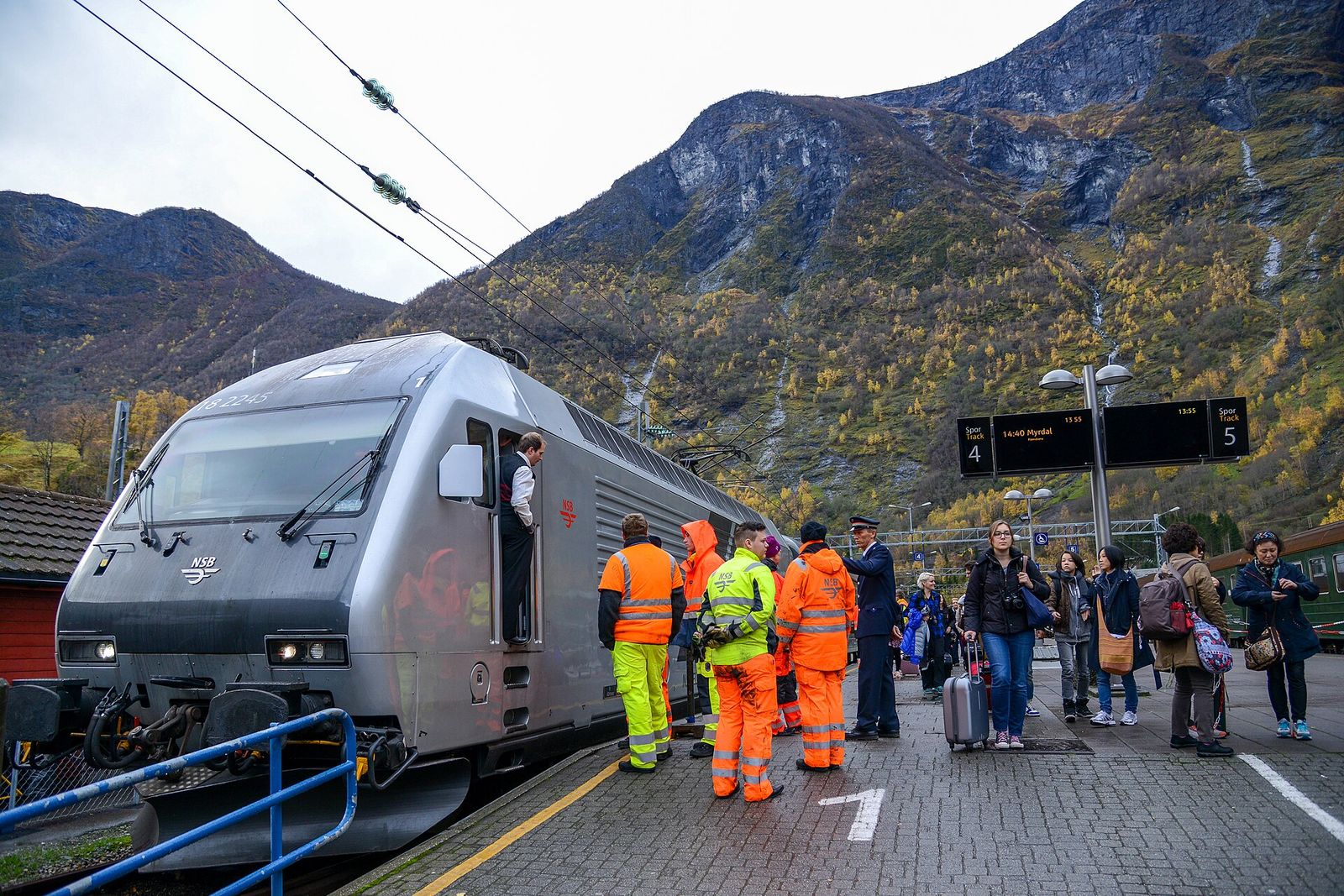
Norway planning · Getting around
Connect the scenic parts of the trip with clear, comfortable arrangements from hotel to hotel.
Getting around Norway is easiest when you plan the whole journey rather than just the most scenic section. A train, boat or flight may be the memorable part, but the connections at either end determine whether the day feels comfortable. Start with the exact places, dates and luggage you will have.
This guide covers rail, local public transport, buses, ferries, domestic flights and driving. It is independent planning information, not a live timetable or a ticketing service. Use the linked authorities and operators to confirm current routes, fares, accessibility and conditions before booking.
By Cooee Tours · Written · Official source checks: 10–11 November 2026
Start with a clear comparison
| Mode | Consider it for | Check first |
|---|---|---|
| Train | City connections and scenic travel days | Fare conditions, seats, baggage and assistance |
| Bus or local transit | City travel and regional connections | Exact stops, zones and operating date |
| Ferry or passenger boat | Coastal or fjord connections | Vehicle versus foot passenger, terminals and onward travel |
| Domestic flight | Longer regional distances | Actual airport, luggage and complete transfer time |
| Rental car | Selected rural routes | Rental terms, parking, road conditions and your experience |
Getting around
For every hotel change, write down the departure address, the station or terminal, the main service, the arrival point and the final transfer. Add luggage collection, check-in instructions and time for a meal. This turns an attractive route name into a practical travel day.
Search with the actual date rather than a generic weekday. Seasonal services and changes can affect the result. If a journey involves separate tickets, establish who is responsible if the first service is delayed. Do not assume that a later provider will automatically protect a connection it did not sell.
Keep the first and last day especially simple. A long flight from Australia followed by several tight transfers can make arrival unnecessarily tiring. Similarly, a scenic outing should not be placed immediately before an international departure unless the timing and booking arrangements genuinely support it.
Getting around
Entur is Norway's national journey planner and a useful starting point for public-transport research. It helps you compare connections across modes and identify the services involved. Read the details of each result rather than selecting only the shortest headline duration.
A journey-planner result and a completed ticket purchase are different things. Check which parts can be purchased through the channel you use and which require another operator. Review the passenger details, travel date and any reservations before payment. Keep each confirmation together so that the complete journey is easy to understand.
Where a transfer is unfamiliar, look up the station or terminal and allow time to find the next departure. A short published connection may be less comfortable when you are handling several bags or need assistance. Choose a route that suits the travellers rather than simply the fastest result.
Getting around
Vy publishes official information for the Oslo–Bergen rail journey, and Bane NOR identifies the Bergen Line service and stations. The train can be a significant part of the holiday rather than a day lost between cities. Give it room in the itinerary and avoid attaching a crowded sightseeing schedule to the arrival evening.
Compare the fare and seating options available for your departure. Conditions, carriage arrangements and availability can differ, so choose from the current booking information. Decide whether flexibility, extra space or a particular arrangement for your group is worth the additional cost to you.
Check luggage rules before packing. Vy's official information explains the allowance and the traveller's responsibility for handling luggage. Rather than assuming there will be unlimited storage or assistance, choose bags you can manage and ask about any support needed before booking. A seat reservation is not extra luggage capacity.
For access needs, contact the relevant provider and station assistance service with the actual journey details. Confirm the process and any required advance notice. A suitable train carriage does not by itself answer questions about platforms, boarding or the route from the station to your hotel.
Getting around
A route involving the Flåm Railway, a mainline train, a fjord boat or a bus can be rewarding, but it requires careful coordination. Confirm the actual sequence, meeting points and conditions for every component. A scenic itinerary title does not establish that all parts are booked on the same terms.
Make sure the rail arrival matches the correct departure point for the next service. Include time to collect bags and move between them. If you intend to stop overnight, check how the property fits into that sequence rather than assuming that every fjord-area hotel is beside the station or quay.
Distinguish a sightseeing excursion from public transport. A round-trip cruise may bring you back to its starting point, while a passenger service may provide a useful connection elsewhere. Read the route and stops, and confirm luggage arrangements if you are using a boat as part of a hotel change.
Getting around

For Oslo travel, use Ruter's current information to understand ticketing and the journey you intend to make. Check the relevant zones, ticket validity and the rules for your chosen service rather than assuming that every transport product in the city is interchangeable.
Compare accommodation with the routes you will use repeatedly. A short, straightforward connection can make a city stay more comfortable than a longer journey from a cheaper room. Include the final walking section and any changes, especially after an evening out or when travelling with luggage.
For the airport journey, read the exact airport on the ticket and choose the appropriate connection. Do not assume that every service marketed as an airport transfer has the same fare, stops or conditions. Confirm the option that fits your arrival time and final destination.
Getting around
Skyss provides official local transport and ticket information for Bergen and Vestland. Its airport information identifies Bergen Light Rail line 1 as a connection between Bergen Airport and the city centre. Check the current timetable and the stop that best serves your actual hotel.
Compare that with other airport options on their own terms. An airport express service may have separate pricing and conditions. A ticket for one service should not be assumed valid on another simply because both reach the airport. Use the operator's current instructions for the journey you choose.
At the city end, consider the distance from the stop to the property with luggage. A hotel near the station can be useful for a rail departure, while a waterfront base may suit other plans. Choose the transfer as part of the accommodation decision rather than as an afterthought.
Getting around

Buses can form an important part of a Norway itinerary, including connections between towns and transport hubs. Research the exact stops and departure dates through the national planner and the operator. Do not assume a village has frequent services because it appears close to a larger destination.
Check luggage conditions and whether a seat needs to be reserved. For a route involving a ferry or another onward service, read the connection carefully and confirm how it is handled. A scenic road journey may take longer than a distance-based estimate suggests.
If the available service creates an awkward arrival, compare an overnight change or a different base. It can be better to simplify the route than to book an expensive last-minute transfer after discovering the timetable does not match the hotel. A good itinerary is built around the services that actually operate.
Getting around
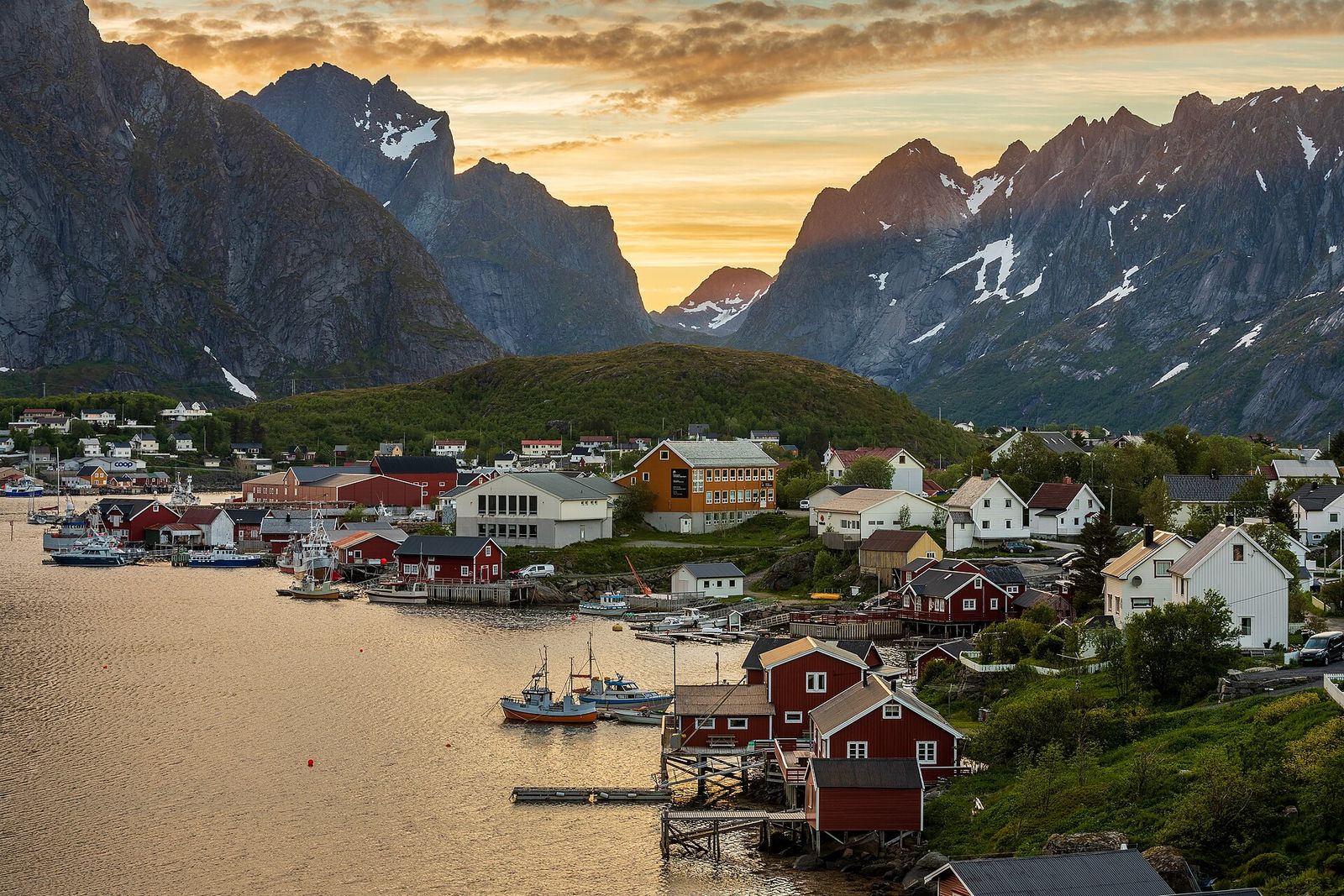
Norway's water transport includes different kinds of journey. A vehicle ferry, a passenger boat, a sightseeing cruise and a longer coastal voyage should be compared as distinct products. Confirm what your booking carries, where it stops and whether it returns to the starting point.
If travelling with a car, check the procedure for that particular crossing and how the rental company handles any relevant charges. If travelling on foot, establish how you reach the terminal and continue afterwards. A ferry terminal can be far from the accommodation or attraction named in a broad itinerary description.
For a longer voyage, look at the actual time ashore, cabin type, meals and included services. A port call is not automatically a full sightseeing day. Ask which excursions are optional and what happens if the schedule changes. This guide does not advertise a Cooee-operated coastal departure or imply agency access to a particular voyage.
Getting around
A flight can be useful when the route includes a distant northern region, but compare the full transfer day. Airport journeys, check-in, luggage and the final hotel connection can use much more time than the flight itself. Keep arrival-day activities flexible.
Read the exact airport and local date on every ticket. A destination region may have more than one useful gateway, and the cheapest flight may create a longer or more expensive ground journey. Choose the airport and accommodation together, especially for an island or rural stay.
Check baggage conditions for the actual carrier and fare. Do not assume that an international allowance automatically applies to a separately booked domestic ticket. Confirm the arrangements for equipment, mobility aids or other special requirements directly with the operator.
Getting around
A car can provide flexibility for some rural stays and multi-stop journeys. It also brings parking, fuel or charging, road conditions, ferry arrangements and rental terms into the comparison. For a settled Oslo-and-Bergen holiday, public transport and selected excursions may be simpler.
Ask the rental company about the exact vehicle category, pickup and return locations, included charges and permitted use. Confirm the documents required for your licence and circumstances using official information. Do not rely on a general statement from an unrelated travel article as proof that the rental desk will accept your documents.
Use Statens vegvesen for current road and traffic information, including mountain passes and ferries. Winter conditions require an honest assessment of your experience. If the route depends on driving in conditions outside your comfort or ability, choose another transport arrangement instead of assuming the weather will make it easy.
Getting around
Pack for the complete route, not only the flight allowance. Several transfers with large bags can make an otherwise enjoyable itinerary tiring. Consider whether fewer hotel changes would provide more value than adding a service solely to move luggage between an ambitious sequence of stops.
For assistance, describe the actual need: boarding, steps, walking distance, wheelchair dimensions where relevant, or help navigating a connection. Confirm responsibilities with each operator rather than assuming one arrangement covers the whole journey. Keep written confirmations accessible to the people travelling.
Groups should agree on a realistic pace and meeting routine. Choose a person to hold the full set of references while ensuring each traveller has the information they need. Allow enough time for the slowest comfortable transfer, not the fastest member's estimate.
Getting around
Review every date, stop, fare condition and hotel arrival arrangement together. Check that the transport you have researched is the transport you have actually purchased. Keep time for meals and delays, and identify a practical contact for each booking.
Recheck service information shortly before departure and follow the operator's current instructions. The goal is a route that remains understandable when something changes. Once the foundations work, the railway view, harbour arrival or journey through the fjords can become part of the holiday rather than a source of pressure.
Useful answers
Many city and selected regional itineraries can use public transport and organised outings. Check the complete route for your dates, including the last connection to rural accommodation. A car is a choice to compare, not an automatic requirement.
No. Researching a connection is separate from purchasing it. Confirm which components have actually been bought and which operator or booking channel handles changes.
No. A sightseeing cruise, a passenger service and a vehicle ferry can serve different purposes. Confirm the route, terminals, luggage arrangements and onward connection.
Allow a realistic margin and check each provider’s conditions. Do not assume a later operator protects a connection it did not sell. Consider a gateway night when it makes the overall itinerary more comfortable.
Plan with current information
Source information checked during preparation on 10–11 November 2026. Recommendations about pacing and comparison are Cooee Tours editorial guidance. Recheck the actual service, venue or property before booking.
Your next discovery
Tell us which regions, interests and travel pace appeal to you. Confirm the actual operator, availability and booking arrangements before committing to any proposed service.
Explore more with Cooee Tours
Behind the photographs
Images illustrate locations and settings, not a personal review or recent on-site inspection.
