Museums, mosques and markets can reveal very different aspects of a destination. Visiting them well is less about collecting etiquette rules for an entire region and more about paying attention to the particular place, its people and its current visitor arrangements.
This guide offers a practical approach to cultural visits in the destinations covered by our Middle East journal. It does not replace country-specific travel advice or local requirements. Start with current advice for the destination, then use official venue information to shape each visit.
At a glance
| First step | Read the specific venue’s visitor instructions |
|---|---|
| Plan around | Interpretation, respectful photography and group pace |
| Leave room | Breaks and changes to visiting arrangements |
Learn whose space you are entering
A museum welcomes people to interpret a collection. A mosque is a place of worship that may also receive visitors under defined arrangements. A market is a working commercial and social environment. The same behaviour does not suit every setting, even when all three appear on a sightseeing itinerary.
Before arriving, read a short introduction to the place and ask what you hope to understand. That simple preparation changes the questions you bring. Instead of asking only where to stand for a photograph, you may notice how a building is used, what an object tells you or why a neighbourhood developed there.
Use the venue's own instructions
For Sheikh Zayed Grand Mosque, consult the Centre's current visitor and mosque-manners pages. They cover the site's own arrangements and expectations. Do not assume the same admission process, visitor access or clothing requirements apply to every mosque in every country.
Check whether registration is needed and whether your intended visiting time is available. Prepare suitable clothing according to the actual instructions before leaving your accommodation. Do not build a plan around an assumption that something will be lent or sold at the entrance. Where instructions are unclear, ask the venue directly.
Approach a museum with a manageable question
A large collection can be overwhelming when you try to see everything. Pick a theme: a material, a trade connection, an architectural idea or a period that interests you. Let that theme guide the first part of your visit, then leave time for objects that unexpectedly catch your attention.
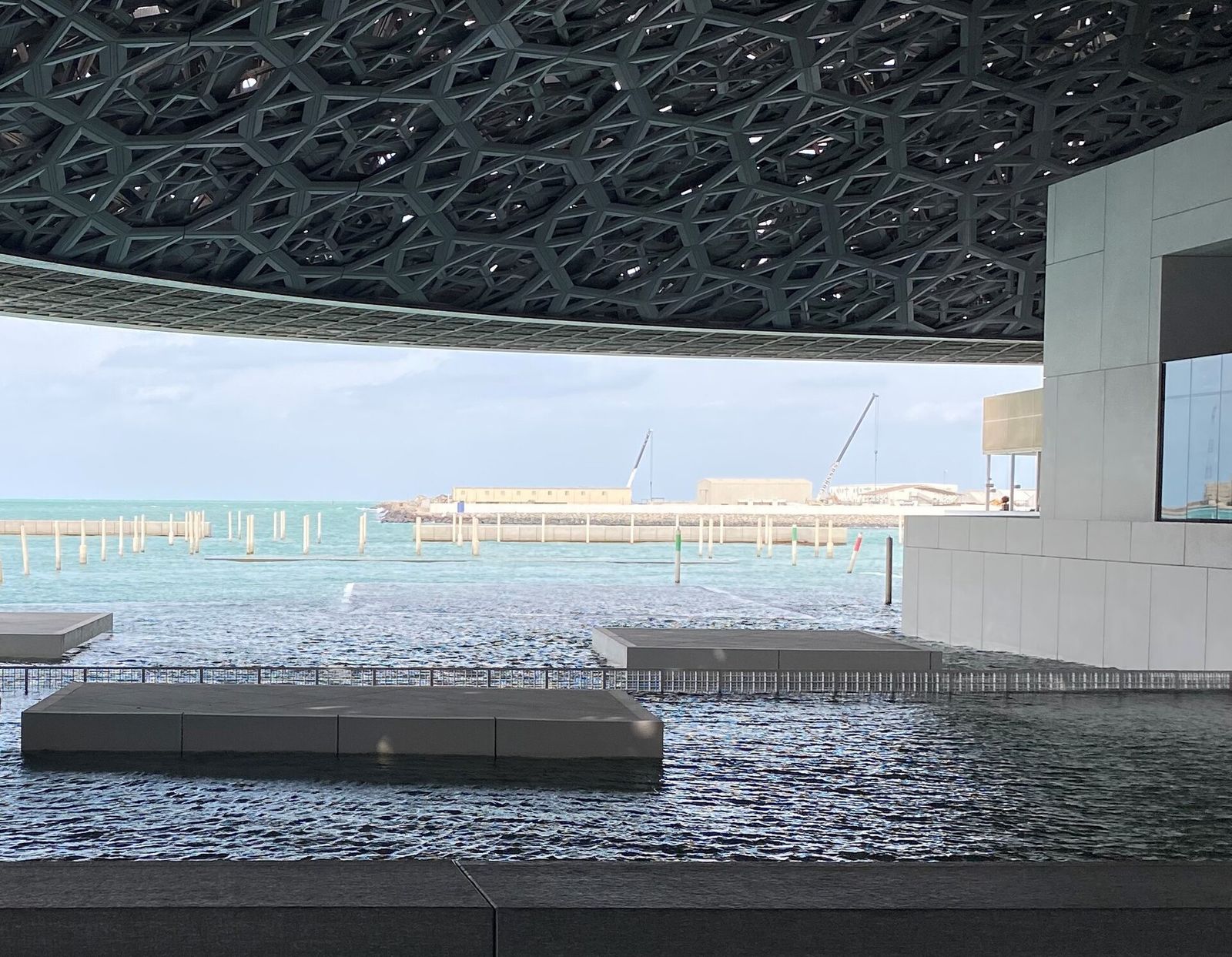
The Museum of Islamic Art in Doha and Louvre Abu Dhabi have their own visitor information and programmes. Check the official pages for the exhibitions and access arrangements that apply to your dates. A good visit does not depend on repeating someone else's exact route or keeping up with a group that moves faster than you prefer.
Photograph thoughtfully
Read the local photography rules, including restrictions on particular spaces or equipment. Permission to take photographs in one gallery does not establish permission in the next. If a staff member asks you to stop, follow the instruction rather than arguing from an older web page.
Ask people before making them the subject of a photograph. In a market, that includes vendors and customers. Avoid obstructing doorways, displays or walkways while composing an image. If the situation feels intrusive, enjoy the encounter without recording it. Not every meaningful travel memory needs to become a public post.
Make market visits about more than shopping
Give yourself time to observe how the area works. Notice the different businesses and the rhythm of the streets. A knowledgeable guide may help explain unfamiliar objects or trading traditions, but choose the guide for the quality of the interpretation rather than the promise of secret bargains.
When buying, establish the price and what is included before agreeing. Keep the exchange courteous and accept that you can decline. For items you intend to bring home, check the relevant official import rules yourself; a seller's reassurance is not a substitute for the requirements at your destination.
Plan for the whole group
Agree on the approximate length and physical demands of the visit. A cultural outing can involve standing, security procedures, long corridors or outdoor walking even when the main attraction is indoors. Ask about accessible routes, seating and facilities if these will affect participation.
Build in breaks and an option to shorten the day. If children or travelling companions have different interests, choose a few shared highlights rather than insisting on the same detailed experience for everyone. Consider guided interpretation where it adds value, but confirm the guide's language, subject and pace first.
Let curiosity remain flexible
A closed room or changed visiting arrangement does not have to spoil the day. Keep an alternative nearby and avoid scheduling every cultural visit against a tight deadline. The most useful preparation is understanding the place well enough to adapt without losing the purpose of your visit.
Above all, avoid treating the Middle East as one uniform culture. Local communities, institutions and individuals differ. Respect grows from listening to the people responsible for a place and giving their instructions more weight than a generic travel checklist. That approach travels well beyond any single region.