Petra and Wadi Rum are often placed next to each other on a wishlist, but they call for different kinds of time. One is an archaeological landscape to explore and interpret; the other combines desert scenery with a living cultural setting. Understanding that distinction is useful future-trip research.
Advice checked 10 November 2026: Smartraveller advises reconsidering your need to travel to Jordan. This article is for a later journey when conditions and official advice support it. It is not a recommendation to book an immediate holiday or a currently available tour.
At a glance
| Status | Future-trip research; reconsider travel advice applies |
|---|---|
| Petra focus | Interpretation, walking requirements and sufficient time |
| Wadi Rum focus | Local knowledge, operator details and camp arrangements |
Think beyond the Treasury photograph
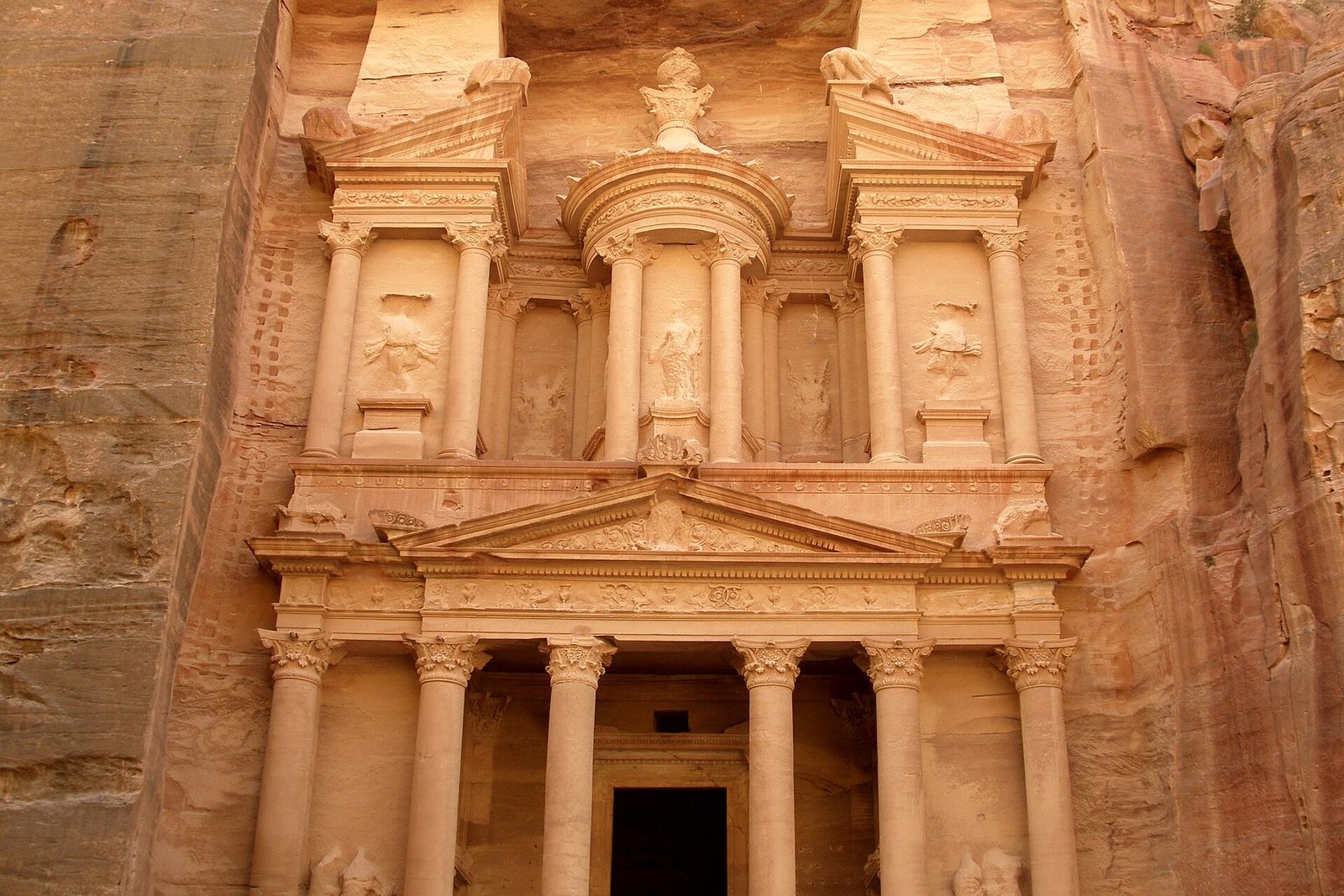
Petra is much more than its best-known facade. UNESCO describes an archaeological site shaped by its setting and historical connections. A meaningful visit would allow time to understand the landscape and the relationship between its different features, rather than reaching a single viewpoint and turning around.
Research the walking involved in any proposed route. Ask about distance, uneven surfaces, gradients, available assistance and where you can reasonably turn back. The route suitable for one traveller may be unsuitable for another. Do not assume that a photograph of a famous monument represents the effort required to reach every part of the site.
Give Petra more than a transfer stop
For future planning, two or three nights near Petra can create room for a full visiting day and recovery time, with an additional day if your interests and capacity justify it. The exact choice depends on arrival and departure logistics. Hotel nights should support the experience rather than simply fill a package duration.
A local guide can help you choose priorities and understand what you are seeing. Before a future booking, ask how long the guiding lasts, which areas it covers and what is separate from admission. Agree on the pace and any mobility limitations in advance so the day can be shaped realistically.
Understand Wadi Rum as a distinct stay
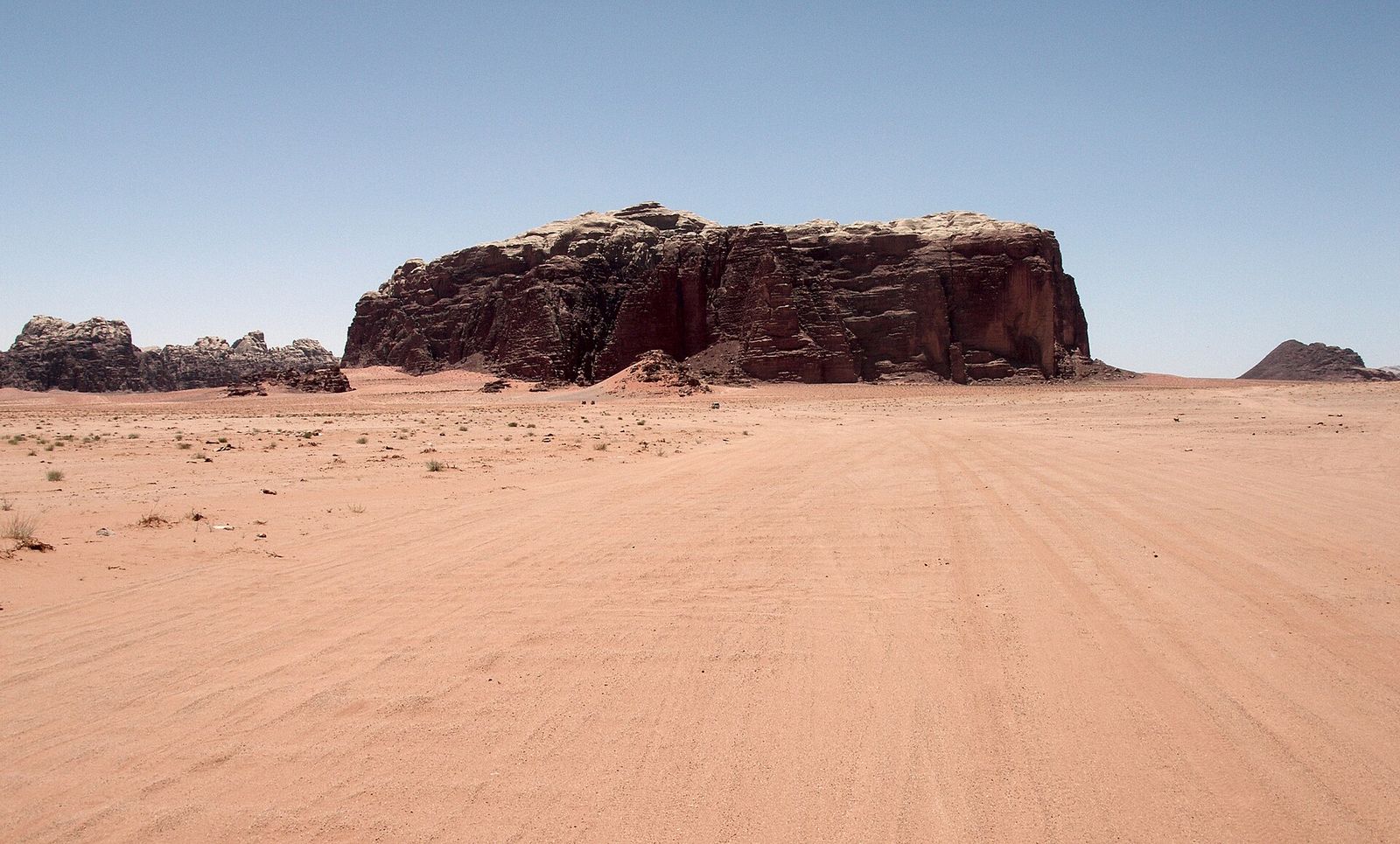
Wadi Rum is recognised by UNESCO for both natural and cultural significance. Its value is not limited to a dramatic sunset or a particular style of accommodation. When researching, look for interpretation of the landscape and local cultural knowledge, alongside clear practical arrangements.
Compare the experience rather than a tent photograph alone. Ask who operates the camp, where it is located, how you reach it and which activities are included. Clarify bathroom arrangements, meals, electricity, temperature control if offered and the handling of luggage. A remote setting makes these details especially important.
Ask better questions about excursions
A vehicle excursion can vary greatly in length, comfort and content. For a future trip, request the itinerary, vehicle type, passenger arrangement and the amount of walking at stops. Ask what happens if weather or local conditions make the planned route unsuitable.
If cultural encounters are included, look for activities led or shaped by the people whose traditions are being discussed. Do not assume that an encounter is meaningful because marketing describes it as authentic. A provider should be able to explain what takes place and how participants are involved without reducing people to a photo opportunity.
Build in the approach and the departure
A Petra-and-Wadi-Rum plan needs more than the nights spent at those destinations. Identify the actual international gateway, the ground transfers and any overnight stay needed before a flight. A long transfer followed immediately by a demanding visiting day can undermine both experiences.
As a future pacing exercise, separate the arrival, Petra stay, Wadi Rum stay and departure buffer on your calendar. Leave additional time if you want to include other parts of Jordan. This is deliberately not a fixed day-by-day route: current advice and transport conditions must determine whether and how it can be used.
Respect the landscape and its communities
At archaeological sites, follow marked access and staff directions rather than copying a photograph taken from an unsuitable location. Do not climb or touch fragile features for a better image. Carry out your waste and use a guide's local knowledge to understand the setting, not to bypass restrictions.
Ask permission before photographing people, and consider what your purchases and bookings support locally. Thoughtful choices are often simple: allowing time for conversation, paying an agreed price fairly and listening when a host explains how a place is used.
Return to the travel decision first
Keep this article as background reading while travel advice remains elevated. Before considering a departure, review the current Australian advice in full, including the implications for transit and disruption. Confirm the identity and terms of any operator separately. The attraction of Petra and Wadi Rum can wait; a useful plan begins with conditions that allow the journey to be considered responsibly.