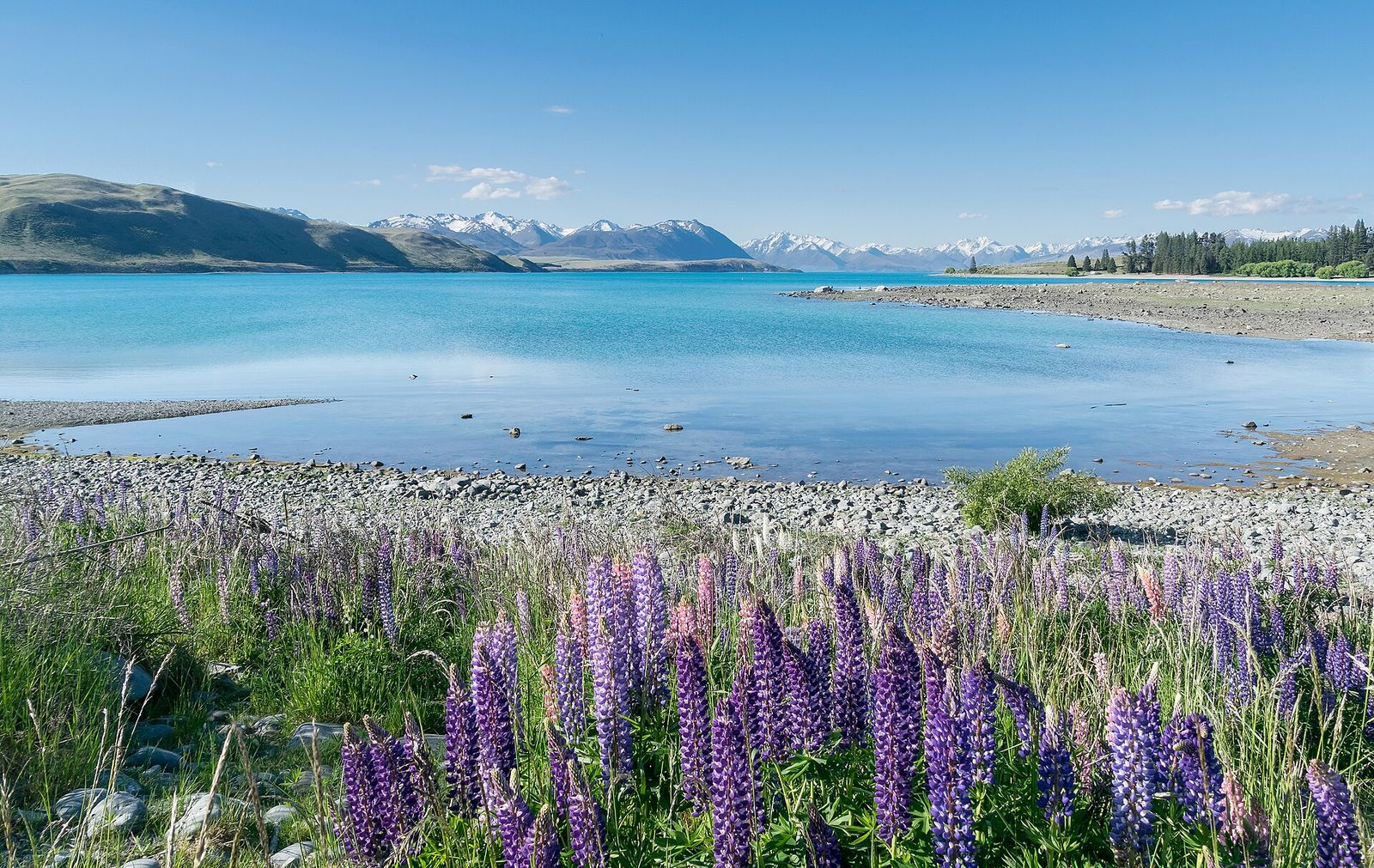
Oceania is a region to explore through your interests, not a single holiday to tick off. Australia’s cities and landscapes, New Zealand’s contrasting islands and the Pacific’s many island communities ask for different kinds of time. A rewarding journey begins by deciding what you want your days to feel like, then choosing a destination that supports that rhythm.
For some travellers, the pearl is a lagoon and a quiet morning. For others, it is a mountain road, a local food experience or a conversation that changes how they understand a place. This guide helps you shortlist Australia, New Zealand, Fiji, the Cook Islands, Samoa and Vanuatu. These are starting points within a much larger region, not a complete list of Oceania’s destinations.
At a glance
| Start with | Three priorities and the pace you enjoy |
|---|---|
| Shorter trips | Test a single-base plan before adding transfers |
| Longer trips | Add a second region or island for a clear reason |
Start with the holiday you want to have
Imagine a typical morning on your trip. Would you like to walk to a café before exploring a city, leave early for a scenic drive, join a guided cultural visit or spend most of the day near your accommodation? Those preferences tell you more than a photograph of a beach or mountain.
Make a short list of three priorities and one thing you would rather avoid. A traveller who wants fewer transfers and relaxed meals may choose differently from someone who enjoys packing up and moving on. If travelling as a couple or group, compare those lists before deciding on a country. The destination should support the people taking the holiday.
Australia: choose a region with room to explore
Australia suits a trip built around a clear regional focus. A city and its surrounding countryside can provide a satisfying week; two regions connected by air can form a varied fortnight. Trying to connect too many distant highlights often turns the holiday into a sequence of airport days.
For a first visit, decide whether urban life, coastal landscapes, tropical nature or an inland experience matters most. For Australians travelling domestically, the same principle applies: choose a place you want to understand more deeply rather than measuring the trip by distance covered. The dedicated Australia guide on this site is the next step for regional detail.
New Zealand: decide what you want from the road
New Zealand appeals to travellers who enjoy a changing landscape, but a good itinerary still needs restraint. Choosing one island for a shorter holiday gives you more time to stop. Combining both islands makes sense when the extra connection contributes to the journey and you have allowed for it properly.
Think about how you feel after several days of driving. A route with two- or three-night stays may suit you better than a new hotel every evening. If driving is not part of the pleasure, compare a guided journey or a small number of bases with organised outings. Scenic travel should feel like an experience, not an obligation to keep moving.
Fiji and the Cook Islands: compare the actual stay
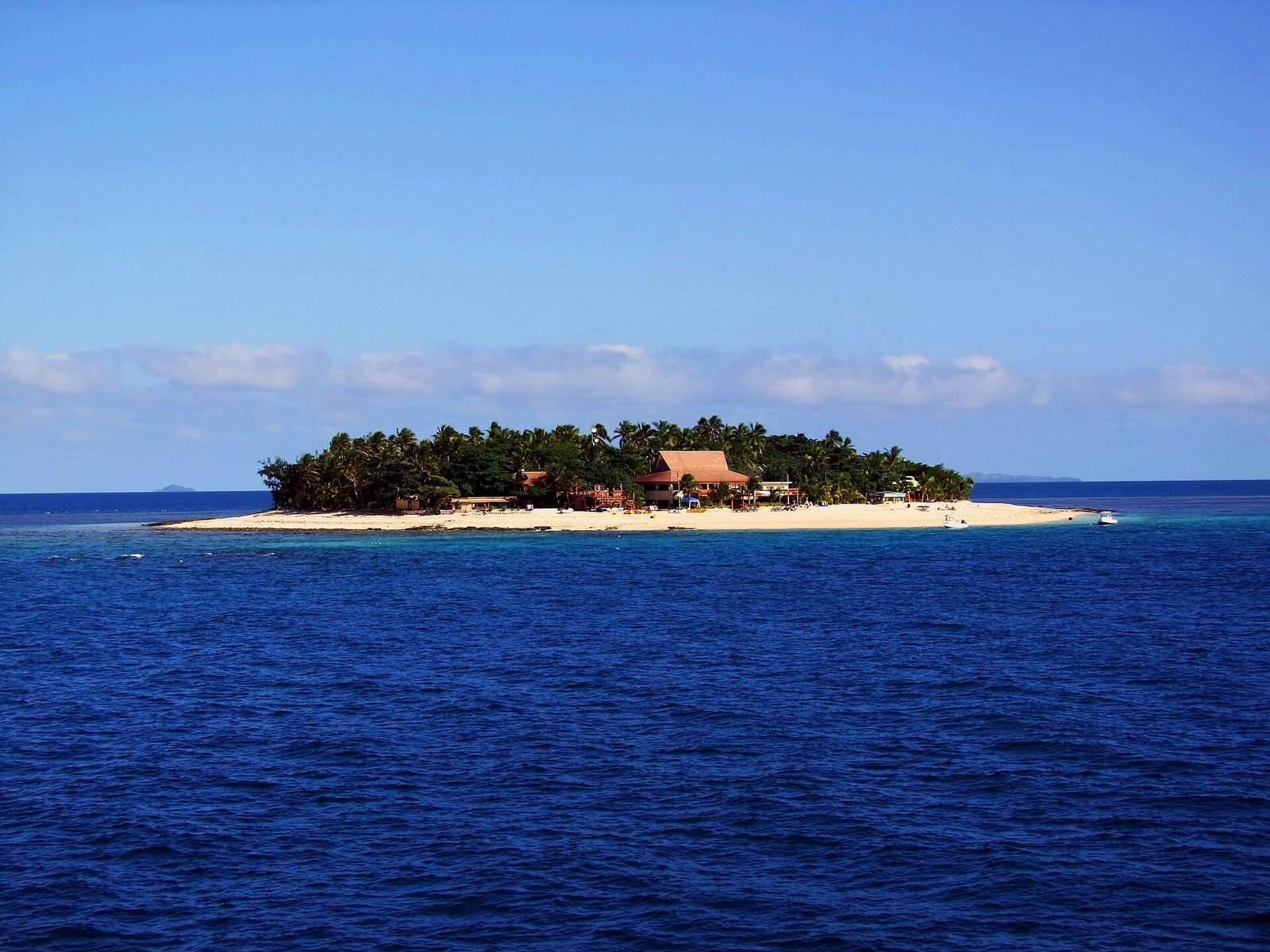
Fiji offers a range of mainland and island stays. The practical comparison is not simply “Fiji or another country”; it is which island or coastal area, which property and how you reach it. A resort with the right room, meal arrangements and transfer can suit you better than a more remote option chosen only for its beach photograph.
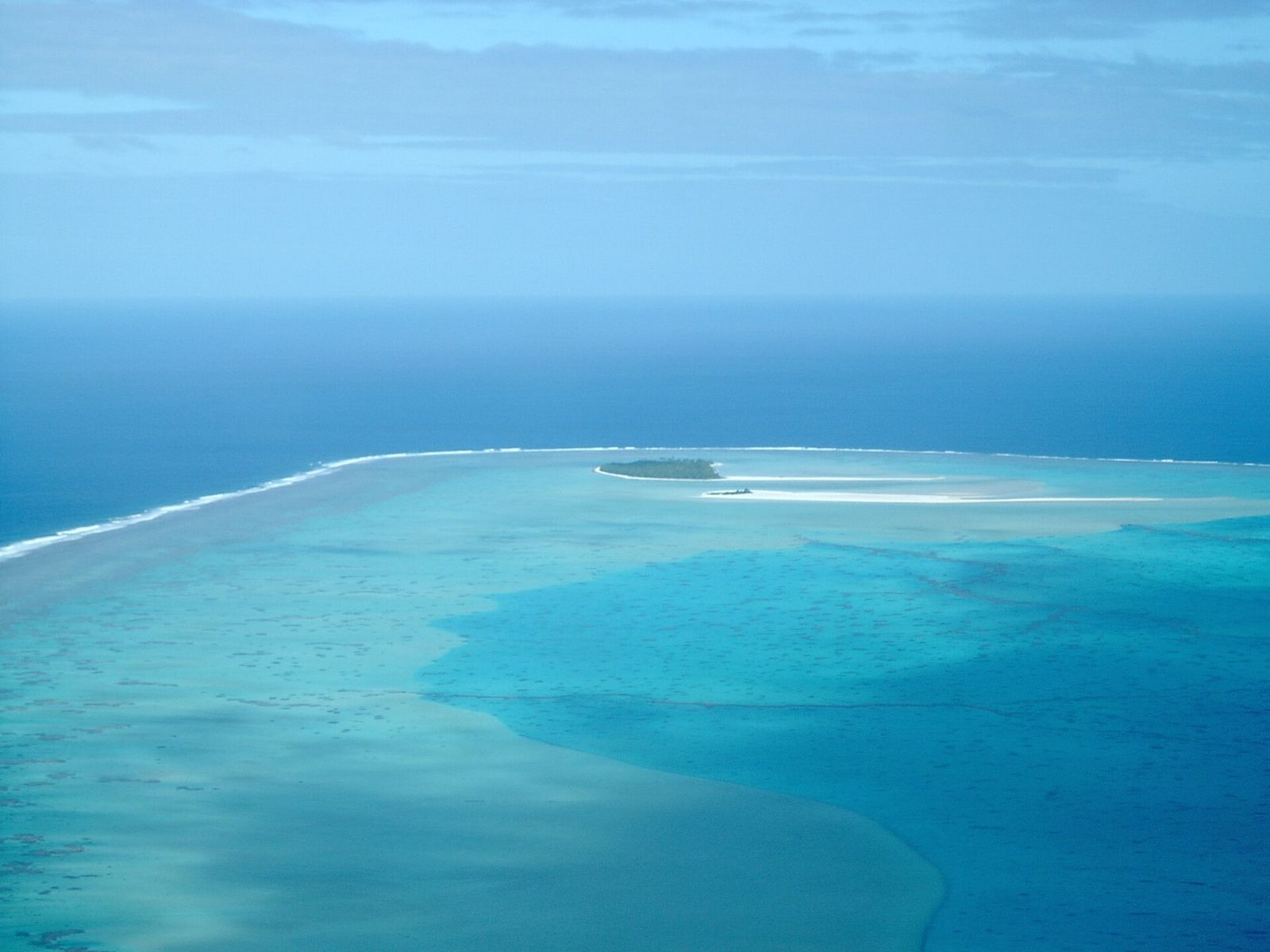
In the Cook Islands, Rarotonga and Aitutaki provide two different planning possibilities. You can keep a single base or build in a second island. Price the complete journey, including flights or other transfers, meals and the nights required around connections. Decide how much of your holiday you want to spend actively exploring and how much you want to leave unstructured.
Samoa and Vanuatu: make local context part of the plan
Samoa invites a trip that pays attention to village life and cultural expectations as well as scenery. Upolu and Savai’i can be considered separately or combined, with the ferry journey treated as a real travel day. Ask hosts how to visit respectfully and which activities fit the days you are there.
Vanuatu also rewards choosing an island for a reason. Efate, Espiritu Santo and Tanna are different destinations, not interchangeable stops on a resort circuit. Check current transport and local access before committing to a multi-island route. A carefully chosen single-island stay may be more rewarding than a complicated itinerary built around uncertain connections.
Count useful days, not just nights away
Write your arrival and departure dates on a simple calendar. Mark the time spent reaching accommodation, changing islands or regions and getting back to the international gateway. The days left are your real sightseeing or relaxation time.
For a seven-night holiday, one main base is a useful starting assumption. With ten or more nights, a second base may add variety without dominating the trip. Those are editorial planning suggestions, not fixed rules. A particular flight schedule, mobility need or family arrangement can make a slower or faster plan more suitable.
Be especially careful when combining Pacific destinations across time zones. Use the local date printed on every flight booking and match accommodation to that date. A calendar that looks correct in Australian time may not describe the night you arrive at the destination.
Compare the whole cost and the practical fit
Look beyond the room rate. Include airport and island transfers, meals, activities you genuinely want, luggage allowances and any necessary gateway nights. Two accommodation quotes may cover very different parts of the holiday.
Ask concrete accessibility questions before booking. Find out about steps, walking surfaces, vehicle access and boat boarding rather than relying on a broad “accessible” description. A waterfront room does not necessarily mean easy water access, and a short transfer may still involve a difficult step between a boat and a jetty.
Use official destination information and current Australian travel advice for the practical checks relevant to your trip. Entry rules, transport schedules and operating conditions should be confirmed for your dates. Once those basics are clear, choose the place that leaves you most curious. You can return to Oceania many times and keep finding a different kind of pearl.