Choosing between New Zealand’s North Island and South Island is easier when you stop looking for an overall winner. Both can support a memorable holiday. The better choice depends on the experiences you want, the time available and how much moving around feels enjoyable rather than tiring.
For a first visit, one island is often a useful starting point for a shorter trip. With a longer stay, you can consider both, provided the connection and change of pace make sense. This guide offers planning examples to adapt, not a claim that every route or activity is available on your dates.
At a glance
| North Island example | Auckland 3 nights · Rotorua 4 nights |
|---|---|
| South Island example | Christchurch 2 · Tekapo 3 · Queenstown 4 nights |
| Both islands | Choose a focused region on each and allow for the connection |
Choose the North Island for your own mix of interests
A North Island itinerary can combine Auckland, geothermal landscapes around Rotorua, cultural experiences and other regional stops. The key is choosing a small number of places that belong together in the time you have. A route designed around beaches will look different from one designed around food, cities or cultural learning.
If Māori cultural experiences are important to you, choose the specific host or provider with care. Read what the visit involves and how visitors are expected to participate. A meaningful encounter deserves time and attention; it should not be treated as a quick addition squeezed between two long drives.
For a relaxed starting framework, consider three nights in Auckland and four in Rotorua, with arrival on day one and departure on day eight. This does not cover the island. It gives two full days in the first base and three in the second, with a separate transfer day and room to choose outings according to your interests.
Choose the South Island for a focused landscape journey
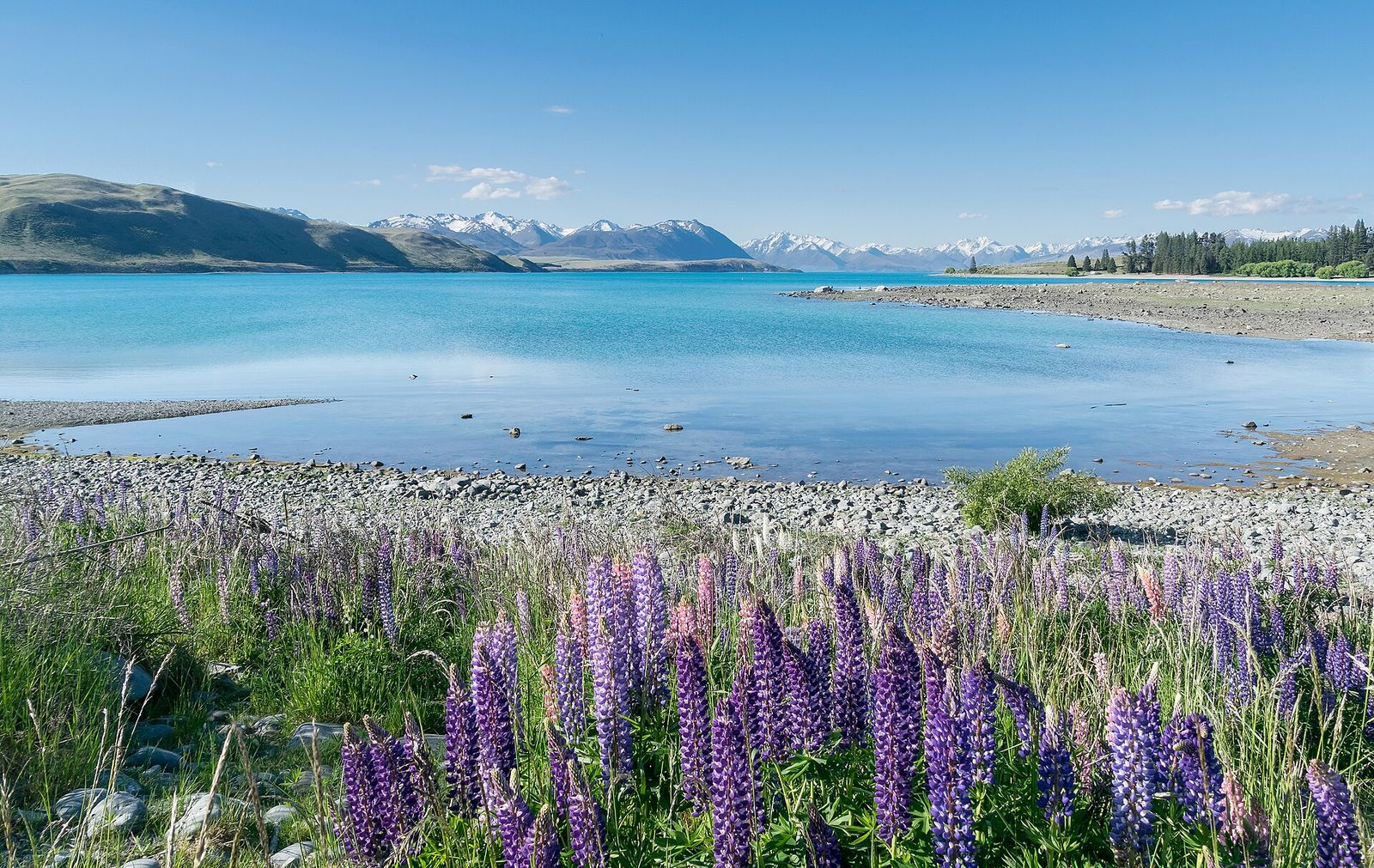
The South Island is associated with alpine scenery, lakes and national parks, but that does not mean every visit needs an ambitious driving circuit. Choose a geographical focus and give it enough nights. Christchurch, the Mackenzie region and Queenstown form one possible journey; other routes will suit different interests.
For a ten-day framework, consider two nights in Christchurch, three around Tekapo and four in Queenstown, departing on day ten. Travel between bases occupies days three and six. That leaves time to enjoy each area instead of arriving late and leaving again the next morning.
An outing to Fiordland is a separate planning decision. Compare the total travel time, the starting point and whether an overnight nearer the experience would suit you better. Do not add a distant excursion simply because it appears on a list of South Island highlights. Give the places that matter to you the time they require.
When both islands make sense
Combining both islands can work when you have enough days and a clear reason for the second part. Start by choosing one main region on each, then examine the connection. A domestic flight and a journey involving the Cook Strait ferry create different routes and use time differently.
For a two-week trip, an editorial starting point might be six nights in one island region and seven in the other, with day seven reserved for the connection. That is a focused two-island holiday, not a complete tour of New Zealand. If you want several additional regions, consider extending the stay or choosing one island this time.
If driving between islands, check the ferry booking and the rental vehicle’s rules. Do not assume the same car can be taken aboard or retained throughout the journey. Understand any vehicle exchange, luggage handling and onward pickup before choosing accommodation around the crossing.
Count the stops inside each driving day
A scenic drive takes more than the uninterrupted travel estimate. Add time for breaks, viewpoints, meals and the places that made you choose the route in the first place. If you plan to visit an attraction on the way, check its opening arrangements and allow a meaningful visit rather than a hurried photograph.
Try alternating travel days with days based in one place. This gives everyone a chance to unpack, do laundry, take a shorter outing or rest. For groups with different walking abilities, a two-night or longer stay can make it easier to choose separate activities and meet again over dinner.
If you prefer not to drive, compare a guided itinerary or a smaller set of bases served by suitable transport. Make sure the connection you need operates on your date and reaches the actual location of your accommodation. A bus stop in a town is not necessarily close to a countryside property.
Plan outdoor activities around current information
Choose walking routes and outdoor experiences according to your ability and the current conditions. Consult the Department of Conservation for the specific track or site, and check local weather and road information before setting off. A familiar destination name does not establish that a particular route is open or suitable.
Allow flexibility around activities that depend on weather. Put an important outing early enough in a stay that there may be another option if arrangements change, without assuming a provider can automatically move your booking. Read the cancellation and rescheduling terms before paying.
Make the final choice with a simple test
Take your proposed itinerary and remove the destination names. Read it as a sequence of driving hours, hotel changes, full days and activities. If that rhythm would feel exhausting anywhere, changing the scenery will not solve the problem.
Choose the island that supports your highest priorities with the least unnecessary movement. If both genuinely fit, build a selective route and accept that you will leave some places for another visit. A good New Zealand holiday should leave you remembering the landscape and the people, not only the road between hotels.