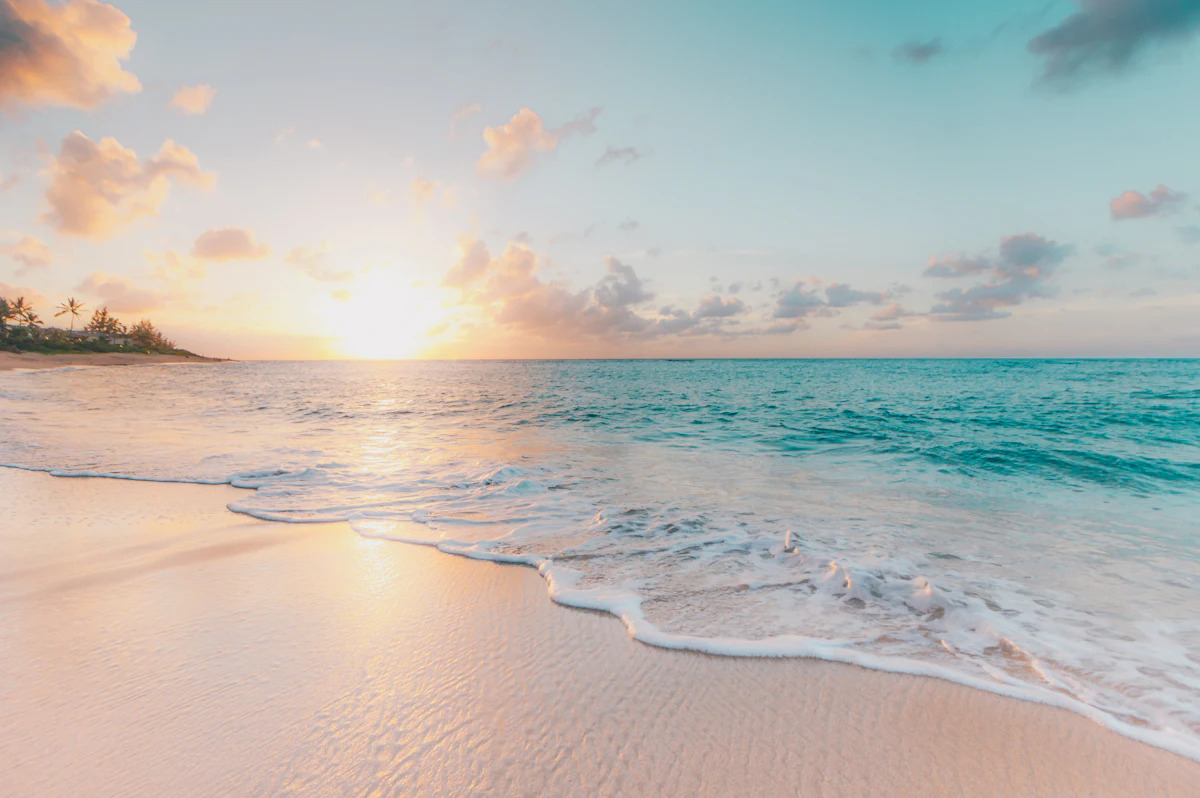
Spring is Australia's sweet spot — wildflower carpets, blossom festivals, whale calves on the coast and the mildest weather of the year, before the summer heat arrives.
Words by Frank Adam Burns·Updated July 2026·21 min read
From September to November, Australia swaps winter for wildflowers, festivals and whales.
Spring (September to November) might be Australia's most underrated travel
season. The weather is mild almost everywhere, the wildflowers explode across the west and
south, the flower festivals fill the calendar, and the whales begin their journey home down
the coast. While the northern hemisphere is packing away its summer, Australia is just
waking up — and for a few golden months the whole country seems to be in bloom at once.
It's the window before the summer crowds and the tropical wet, with comfortable
temperatures for walking, touring and gardens at their peak. Accommodation is easier to
find than in the December–January rush, the light is soft for photography, and almost every
state puts on a signature spring event — from Canberra's million-bulb Floriade to the
purple jacaranda streets of Grafton. One of the country's great flower festivals is on our
home turf in Queensland, and we've confirmed the 2026 dates for every major festival below.
Here are the twelve best places to spend an Australian spring — and, because plenty of
our travellers like to chase the season around the globe, a bonus chapter on where to find
spring in the USA when it's autumn back home.
Spring in Australia, month by month
Three months, three different seasons in miniature. September belongs to the festivals and
the west's wildflowers, October to the tulips and the first purple haze of jacaranda, November
to the beaches, the late bloom and the start of the wildlife summer. Here's how the 2026
season lays out.
Month
What's happening
Weather check
September
Festival season opens everywhere at once: Tulip Time in Bowral (from 11 Sep), Floriade in Canberra (from 12 Sep), the Toowoomba Carnival of Flowers and the Kings Park Festival in Perth (both from 18 Sep). WA's Midwest wildflowers hit their peak, and humpbacks with new calves crowd Hervey Bay and the Queensland coast.
Mild and fresh — low-to-mid 20s in Brisbane and Perth, high teens in Sydney and Melbourne, still crisp at night inland and in Canberra.
October
Floriade and Toowoomba run into early October; WA's bloom moves south to the Stirling Range; Tasmania's Table Cape tulips flower on the clifftop; the whale migration streams down the NSW coast; and from late month the jacarandas begin — Grafton's festival opens 30 October.
The all-rounder month — low-to-mid 20s almost everywhere, long days, low humidity. Arguably the best travel weather of the Australian year.
November
Jacarandas at full purple in Grafton (festival to 8 Nov), Sydney and Brisbane; the south-west's wildflowers finish along the coast; cherry orchards around Young lead into harvest; turtle nesting begins at Mon Repos near Bundaberg; and the beaches from Sydney north are properly warm.
Warming fast — mid-to-high 20s along the east coast, hotter inland. The tropical north builds toward the wet; the south stays comfortable.
2026 festival dates confirmed at time of writing — always re-check with the venue before booking. For the full year-round picture, see our best time to visit Australia guide.
01
Western Australia Wildflowers
Western Australia
WildflowersIconic
WA hosts one of the largest wildflower displays on Earth — more than 12,000 species, the majority found nowhere else in the world, carpeting the landscape in a rolling wave that starts in the Pilbara and Kimberley around July and sweeps south to reach the forests and coast of the south-west by November. It isn't one destination so much as a moving season: whichever month you arrive, somewhere in the west is at peak bloom.
The classic self-drive is the Wildflower Way north of Perth through Dalwallinu and Morawa, looping back through the Coalseam Conservation Park — famous for hillsides of pink, white and gold everlastings so dense they look painted on — and the gorges of Kalbarri National Park, where the coastal heath flowers right to the cliff edge. Further south, the Stirling Range and Fitzgerald River parks are among the richest botanical hotspots on the planet.
September is the sweet spot for the Midwest routes. Book country accommodation early — wildflower season is these towns' busiest time of year — and remember the bloom tracks the rains, so check WA's wildflower tracker before you commit to a route.
02
Toowoomba Carnival of Flowers
Queensland · Home turf
Flower festivalHome turf
On our home turf on the Darling Downs, Toowoomba's Carnival of Flowers fills the Garden City's parks, gardens and streets with spectacular blooms every September — Australia's longest-running floral festival, going strong since 1950. Laurel Bank Park and Queens Park are the showpieces, joined by prize-winning private gardens across the city, a food-and-wine program, live music and the famous Grand Central Floral Parade through town.
In 2026 the carnival runs 18 September – 5 October, stretching across three weekends and the Queensland school holidays, with the Floral Parade on Saturday 19 September. It's an easy 90-minute run up the range from Brisbane, which makes it one of the best-value spring escapes in the country — come mid-week if you want the gardens at their quietest.
This is the trip we know best of all: the Downs in spring, garden gates open, and the whole city smelling of fresh-turned beds and blossom. We run dedicated Carnival of Flowers tours from Brisbane for the 2026 festival, along with Toowoomba day trips year-round.
03
Floriade
Canberra, ACT
Flower festivalTulips
The Southern Hemisphere's largest celebration of spring, Floriade fills Canberra's Commonwealth Park with more than a million flowering bulbs and annuals laid out in themed display beds on the shore of Lake Burley Griffin. In 2026 the festival runs 12 September – 11 October under a "Feast of Flowers" theme, with entry free as always — plus night-time NightFest sessions, markets, music and enough tulips to make you forget you're in a national capital.
Canberra earns its spring reputation beyond the festival too: the lakeside Nara Peace Park blooms with cherry blossom, Tulip Top Gardens just north of the city opens its famous hillside display (12 September – 11 October 2026), and the National Arboretum's young forests come into leaf. The bush reserves on the city fringe are full of kangaroos with spring joeys.
Pair it with the galleries and museums for one of Australia's easiest and best-value spring city breaks — or let us handle the logistics on one of our Canberra Floriade tours.
04
Grampians (Gariwerd)
Victoria
WildflowersWalks
Spring brings wildflowers to the rugged sandstone ranges of the Grampians (Gariwerd) — around a third of Victoria's entire flora grows here, and from September the heathlands light up with wattles, orchids, grevilleas and flowering gums. It's also the season the park's waterfalls earn their keep: MacKenzie Falls and Silverband Falls run hard on the back of winter rain, and the walking weather is as good as it gets.
Base yourself in Halls Gap and give it two or three days: the Pinnacle lookout climb, the Balconies at sunset, Boroka and Reed lookouts, and the culture centre at Brambuk to understand the deep Aboriginal history of these ranges. Kangaroos graze the town oval at dusk; emus wander the valley floor.
See our hikes guide for the best Grampians walks — spring is comfortably the pick of the seasons for all of them.
05
Red Centre
Northern Territory
DesertMild
Spring is one of the best windows for Uluru, Kata Tjuta and the West MacDonnell Ranges — warm, clear days before the serious summer heat arrives, with nights milder than the freezing depths of the desert winter. September and October are ideal for the Uluru base walk (10.6 km of constantly changing rock face, best started at dawn), the Valley of the Winds at Kata Tjuta, and the waterholes of Ormiston Gorge and Ellery Creek Big Hole out of Alice Springs.
After good winter rains the desert stages a show of its own: parakeelya, desert peas and yellow-tops flowering out of the red sand, honey grevillea drawing the birds in. Even in a dry year the light is extraordinary — this is the season photographers book first.
The Field of Light installation and the resort's astronomy tours round out the evenings; desert skies in spring are about as clear as they come.
Spring in the Red Centre: warm days, cold-free nights and desert wildflowers after good rain.
06
Southern Highlands & Tulip Time
New South Wales
TulipsGardens
Bowral's Tulip Time is Australia's longest-running tulip festival, and in 2026 it runs 11 September – 5 October in Corbett Gardens, where around 80,000 hand-planted tulips and annuals go in every year. The whole town leans into it — shopfronts decorated, open gardens across the district, and the cool-climate estates of the Southern Highlands at their absolute peak.
Beyond the festival, this is one of the prettiest corners of NSW for a slow spring weekend: the villages of Berrima, Robertson and Burrawang, cellar doors among the cool-climate vineyards, and the plunge of Fitzroy Falls on the edge of Morton National Park. It's barely 90 minutes down the Hume from Sydney, which makes it the city's easiest full-colour spring escape.
Weekends during Tulip Time get busy — arrive early or come mid-week, and check ticket details before you travel.
Tulip season: Bowral's Corbett Gardens plants around 80,000 bulbs for Tulip Time each spring.
07
Orange & the Central Tablelands
New South Wales
BlossomFood & wine
Cool-climate Orange sits nearly 900 metres up on the slopes of an extinct volcano, and in spring the whole district erupts — apple and cherry orchards in blossom, poplar-lined lanes coming into leaf, and some of the best cool-climate vineyards in the country waking up for the season. The food scene matches the setting: this is one of regional NSW's genuine eating-and-drinking towns.
Spend a weekend doing the cellar doors around Mount Canobolas, walk the Pinnacle for views over the vines, and time your visit for the district's spring gardens if you can. Nearby Millthorpe — a heritage village of bluestone and verandahs — is worth a half-day on its own.
Blossom and mild days run through September and October, with the vineyards greening by November. It stacks up beautifully as a loop with Cowra's Japanese garden and the Central West's other spring towns.
08
Bright & the Alpine Valleys
Victoria
BlossomValleys
As the snow recedes from the Victorian Alps, the valleys around Bright turn a deep spring green — blossom in the orchards of the Ovens Valley, rivers running high and clear, and the high country above slowly opening up for walking and cycling. Spring is the gentle shoulder between ski season and the summer holiday rush, and the region is at its least crowded and most beautiful.
Ride the Murray to Mountains Rail Trail through Porepunkah and Myrtleford while the air is still cool, drive the Tawonga Gap for valley views, and build in a lazy afternoon at the breweries and cellar doors of Bright and the King Valley. Mount Buffalo's granite plateau — waterfalls thundering with snowmelt in early spring — is the day trip to prioritise.
By November the days are warm enough to swim the river holes if you're brave, and the valley is humming towards summer.
09
East Coast Whale Migration
QLD / NSW
WhalesSouthbound
Spring is the southbound leg of the great humpback migration — around 40,000 whales returning to Antarctic waters, and this time with new calves in tow. Mothers travel slowly and hug the coast to rest, which makes September and October some of the best whale watching of the entire year: long surface intervals, curious calves, and mugging encounters where the whales come to the boat.
Hervey Bay is the world-famous stopover, where humpbacks pause in the lee of K'gari for days at a time; Moreton Bay and the Gold Coast run consistent trips through spring, and the NSW headlands — Cape Byron, Port Stephens, Jervis Bay — offer superb free viewing from shore as the procession moves south.
The southbound humpback migration makes spring the best whale-watching season on the east coast.
10
Tasmania
Tasmania
GardensFresh
Tasmania in spring is the island at its freshest — the Royal Tasmanian Botanical Gardens in bloom, the Huon and Tamar valleys white with orchard blossom, waterfalls running hard off the back of winter, and the green so vivid it hardly looks real. Days are mild for walking, and you'll have trails, towns and cellar doors largely to yourself before the summer peak arrives.
Spring highlights worth planning around: tulips at Table Cape near Wynyard on the north-west coast, where a working tulip farm flowers spectacularly on the clifftop in October; blossom through the Huon Valley's cherry and apple country south of Hobart; and Cradle Mountain's walking season opening up as the snow line lifts.
Pack for four seasons a day — it's Tasmania — but as a quieter, blooming alternative to the summer rush, spring is the connoisseur's choice.
11
Everlasting Kings Park Festival
Perth, Western Australia
WildflowersFestival
If you can't road-trip the outback wildflower trails, Perth brings the bloom to you. Kings Park — one of the world's great inner-city parks, bigger than New York's Central Park — has hosted its spring wildflower festival every year since 1964, showcasing thousands of wildflowers and more than 3,000 Western Australian plant species inside the Western Australian Botanic Garden.
In 2026 the Everlasting Kings Park Festival runs 18 September – 4 October, with free entry, guided walks, workshops and family activities among the banksias, kangaroo paws and drifts of everlastings that staff and volunteers spend months planting.
It pairs perfectly with a WA wildflower drive — see the season in miniature at Kings Park first, then chase the real thing north through the Midwest.
12
Jacaranda Season — Grafton
Northern Rivers, New South Wales
JacarandasFestival
Late spring belongs to the jacarandas, and nowhere does them like Grafton. From late October the old river city on the Clarence turns entirely purple — whole avenues arched over in bloom, petals carpeting the streets — and the town throws Australia's oldest floral festival to celebrate. The 2026 Grafton Jacaranda Festival runs 30 October – 8 November, with the float procession, river fireworks, markets and the crowning of the Jacaranda Queen carrying on traditions that date back to 1934.
The purple isn't only Grafton's: Sydney's harbour suburbs (Kirribilli's McDougall Street most famously), Brisbane's New Farm Park and Ipswich all put on grand jacaranda displays through October and November.
More than flowers: spring wildlife, produce and long days
The bloom gets the headlines, but spring is just as much Australia's wildlife season. Winter-born
joeys ride in pouches and take their first hops in September and October — the kangaroo mobs at
Halls Gap, Canberra's reserves and coastal headlands are full of them. Koalas grow active and
vocal as breeding season starts, bowerbirds and lyrebirds display, and the wetlands from Kakadu's
drying floodplains to the southern lakes fill with nesting birds. Out on the water, the humpback
highway runs all season; by late November, loggerhead turtles begin hauling up to nest at Mon
Repos near Bundaberg, opening one of the great wildlife encounters in the country. Our
Australian wildlife guide maps
what you can see where, month by month.
Spring is also when the country starts eating well outdoors again. Asparagus and artichokes
fill the southern markets, Queensland strawberries peak, the first mangoes land in November, and
the cherry towns build toward their summer harvest. Farmers' markets from the Darling Downs to
the Huon run at full tilt, festival food programs (Toowoomba's especially) are half the reason to
go, and the cellar doors of Orange, the King Valley and the Granite Belt pour new-season releases
in shirt-sleeve weather. See our Queensland
food guide for what to eat on our home turf while the gardens bloom.
And the practical bonus: daylight saving begins in early October across NSW, Victoria, SA,
Tasmania and the ACT, stretching sightseeing days well into the evening — long, mild twilights
that summer's heat and winter's early sunsets never quite match.
See Queensland in bloom with us
Cooee Tours can build the Toowoomba Carnival of Flowers and the Darling Downs into a guided spring tour from Brisbane — gardens, flowers and country drives sorted.
We've been running Australian coach tours since 1974, and spring is the season we plan the
year around. These are the trips our travellers book first — all guided, all door-through-door,
all timed to the 2026 festival calendar above.
When it's autumn in Australia, spring is breaking out across the United States — which means a well-timed trip can hand you two springs in a single year. The northern season runs March to May, and it's one of the best windows for Australians to see America: mild weather, landscapes in bloom, national parks before the summer crush, and airfares in the shoulder between the holiday peaks. Here's where the US does spring best.
March to May is the shoulder-season sweet spot for a US trip — two springs in one year.
13
Washington, DC — Cherry Blossoms
District of Columbia, USA
Cherry blossomIconic
The most famous spring spectacle in America: more than 3,000 flowering cherries — a 1912 gift from Tokyo — ringing the Tidal Basin beneath the Jefferson Memorial. Peak bloom usually lands in late March or early April, and the National Cherry Blossom Festival builds a month of parades, kite festivals and events around it (the 2026 edition ran 20 March – 12 April; dates shift slightly each year with the bloom forecast).
Go at dawn for the photographs, then spend the rest of your days in the Smithsonian museums — almost all of them free. It's the American counterpart to the hanami traditions we cover in our Australian cherry blossom guide.
14
Texas Hill Country — Bluebonnets
Texas, USA
WildflowersRoad trip
Texas answers WA's everlastings with the bluebonnet — a blue-purple lupin that floods the Hill Country's roadsides and ranch paddocks from mid-March through April. The classic drives run out of Fredericksburg (the Willow City Loop above all), with the town of Ennis, south of Dallas, holding official bluebonnet-trail status and some of the densest displays.
Build it into a loop through Austin and San Antonio: barbecue, live music, German-settled wine towns and wildflowers the whole way. Like all wildflower seasons it rides on the rains — good winter rain means a great bluebonnet year.
15
Skagit Valley Tulip Festival
Washington State, USA
TulipsFestival
An hour north of Seattle, the Skagit Valley grows tulips on an industrial-romantic scale — hundreds of acres of flat farmland striped red, yellow, purple and orange, with snow-capped Cascades behind. The festival runs the full month of April every year, anchored by the show gardens at Roozengaarde and Tulip Town.
If Bowral's Tulip Time or Floriade is your favourite week of the Australian spring, this is the pilgrimage version. Pair it with Seattle's markets and a ferry day in the San Juan Islands.
16
Yosemite National Park
California, USA
WaterfallsNational park
Spring is Yosemite's superpower. April and May are peak waterfall season, when the Sierra snowmelt sends Yosemite Falls — one of the tallest on Earth — thundering at full force, along with Bridalveil and dozens of ephemeral falls that vanish by August. The valley meadows green up, the dogwoods flower, and the summer crowds haven't yet arrived.
Time a full moon and you may catch a moonbow in the falls' spray — one of the natural world's stranger sights. Some high-country roads stay snowed shut into late spring, so plan around the valley itself.
Snowmelt season: April and May bring Yosemite's waterfalls to full thunder.
17
Charleston & Savannah
South Carolina & Georgia, USA
AzaleasHistoric
The American South does spring with theatrical flair. In March and April, Charleston's historic district drips with azaleas, wisteria and magnolia against pastel row houses and gas-lamped lanes, while Savannah's oak-shaded squares — draped in Spanish moss — bloom around every corner. The weather sits in the low-to-mid 20s: perfect walking-city temperatures.
Between the two cities you have some of the best food in America, plantation-era gardens like Middleton Place at their peak, and a slow, verandah-and-sweet-tea pace that Australian travellers tend to fall hard for.
18
Grand Canyon & the Desert South-West
Arizona · Utah · California, USA
DesertMild season
Like our own Red Centre, America's desert parks are at their best in spring. March to May brings mild hiking weather to the Grand Canyon's rim and inner trails before the dangerous heat of summer, and the season works the same magic on Zion, Joshua Tree and Death Valley. In a good rain year, southern California's deserts stage a "superbloom" — hillsides of golden poppies and verbena that make world news when they happen.
It's prime road-trip country: Las Vegas to the canyon, on through Monument Valley to the Utah parks, with spring temperatures making every stop walkable.
19
New Orleans & the Gulf in Festival Season
Louisiana & Florida, USA
FestivalsBeaches
Spring is festival season in New Orleans — French Quarter Fest in April, Jazz Fest across late April and early May — when the city's music pours out of every doorway and the weather is warm without summer's swelter. It's the American equivalent of building your trip around Floriade or the Carnival of Flowers: the destination at its most itself.
Add a few days on the Gulf: the white-sand beaches of the Florida Panhandle and the Keys hit their stride in April and May, after the winter crowds and before hurricane season. Two springs, one year — and you're home in time for the Australian summer.
Late spring on the water: warm enough to swim, ahead of the summer crowds.
Frequently asked questions
When is spring in Australia?
Australian spring runs from September to November. It's one of the mildest travel seasons, with comfortable temperatures across most of the country before the summer heat and the tropical wet arrive.
Where can you see wildflowers in Australia?
Western Australia hosts one of the world's largest wildflower displays, with the bloom moving from the north around July to the south-west by November. The Grampians in Victoria and parts of the outback also flower well in spring.
What flower festivals are held in spring in Australia?
Toowoomba's Carnival of Flowers (September) on Queensland's Darling Downs, Canberra's Floriade (September–October) and Bowral's Tulip Time in the NSW Southern Highlands are among the best known. Dates shift slightly each year, so check ahead.
Is spring a good time to visit Australia?
Yes — spring offers mild weather almost everywhere, wildflowers and flower festivals, the southbound whale migration, and fewer crowds than summer. It's an ideal season for touring, walking and gardens.
Can you see whales in spring in Australia?
Yes. Spring is the southbound leg of the east-coast humpback migration, when mothers and calves move slowly down the coast — often the best viewing of the year. See our whale watching guide for the top spots.
When are the 2026 spring flower festivals in Australia?
In 2026: Tulip Time in Bowral runs 11 September – 5 October, Floriade in Canberra 12 September – 11 October, the Toowoomba Carnival of Flowers 18 September – 5 October, the Everlasting Kings Park Festival in Perth 18 September – 4 October, and the Grafton Jacaranda Festival 30 October – 8 November.
Where can you see jacarandas in Australia?
Grafton in northern NSW is Australia's jacaranda capital, with streets that turn purple in late October and November and a famous festival to match. Sydney's harbour suburbs, Brisbane and Ipswich also put on strong jacaranda displays in late spring.
When is spring in the USA?
The northern hemisphere's spring runs March to May — Australia's autumn. That's when Washington DC's cherry blossoms, Texas bluebonnets, Skagit Valley's tulips and Yosemite's snowmelt waterfalls are at their best, making a US trip a way to enjoy two springs in one year.
Is spring a good time for Australians to visit the US?
Yes — March to May brings mild weather across most of the US, blooming landscapes and shoulder-season crowds before the American summer holidays. National parks like Yosemite and the Grand Canyon are far more comfortable than in mid-summer.
Planning a spring trip
Spring's flower displays and festivals are short and weather-dependent, so check current bloom updates and festival dates before locking in travel — wildflower timing in particular shifts with the rains, and a wet winter in the west or a warm start to September can move the peak by weeks. The 2026 festival dates in this guide were confirmed at the time of writing, but organisers do occasionally adjust programs, so verify with the festival itself before booking accommodation around a specific weekend.
Book early for the marquee events. Toowoomba's carnival, Tulip Time and the Grafton Jacaranda Festival all fall wholly or partly inside school holidays, and the towns are small enough that beds genuinely run out — six months ahead is not too soon for festival weekends. Mid-week visits are the reliable trick: the same gardens, a fraction of the crowd, and country pubs with rooms to spare.
It's also a brilliant season to combine themes: pair the flowers with the southbound whale migration down the east coast, or with a national-park walk while the weather is kind. See our guides to the best national parks, best hikes and cherry blossom in Australia for spring-friendly options that slot naturally around the destinations above.
If you're tempted by the American chapter, remember the seasons mirror: US spring falls across March, April and May, which is autumn at home — shoulder-season airfares in both directions, and no need to choose between the two. Australians can typically visit the US for short stays on an ESTA, but check current entry requirements well before you fly, and note that bloom-dependent events like DC's cherry blossom peak are announced only weeks in advance. With mild days, blooming gardens, festivals across the calendar and fewer crowds than summer — in either hemisphere — spring rewards travellers who plan a little around the bloom.