One of the pleasures of travelling through China is finding that the food changes with the journey. A meal in Beijing, a noodle stop in Xi’an and a basket of dumplings in Shanghai can each become a different memory. You do not need to master a long list of dishes before leaving home. Start with a few regional names, ask questions and make space in the day to enjoy what arrives.
This guide follows a common first-trip route through Beijing, Xi’an and Shanghai, with ideas for approaching meals elsewhere. It is a practical introduction to ordering and planning, not a restaurant ranking. Menus, ingredients and prices vary between kitchens, so treat dish descriptions as starting points rather than guarantees.
At a glance
| Beijing | Consider a dedicated roast-duck meal |
|---|---|
| Xi’an | Start with a noodle or bread-based dish |
| Shanghai | Compare soup dumplings and pan-fried buns |
Beijing: give a roast-duck meal its own space
Beijing roast duck is a familiar introduction to the capital’s food traditions. If it is a priority for your visit, make it a proper meal rather than a rushed stop between attractions. Check the restaurant location and current reservation arrangements, especially for a group or a particular evening.
Ask about portion size and how the duck is served before ordering a full table of additional dishes. For two travellers, the most useful question may be what amount makes sense for your appetite. For a larger group, agree on shared dishes and dietary requirements before placing the order.
Keep the rest of that day’s meals flexible. A substantial dinner is easier to enjoy if lunch has not already become a tasting marathon. If you have just returned from a Great Wall outing, choose a restaurant that is practical to reach from your hotel and allow time to freshen up first.
Xi’an: begin with noodles, bread and a few names
Xi’an’s recognisable dishes include roujiamo, biangbiang noodles and paomo. They provide a useful set of names to ask about when you are looking at a menu or discussing dinner with your hotel. They do not all make sense as a single meal for one person.
Choose one main dish and learn what is in the version being served. A broad label such as “meat” or “noodles” does not answer questions about the filling, broth, oil or sauce. Ask whether chilli is part of the preparation or something you can add separately. Your preference for mild food may need explaining more specifically than a gesture.
If exploring a food street, buy smaller amounts and pause between stops. You may enjoy one carefully chosen bowl more than several dishes ordered because they are popular online. Check the displayed price and portion before ordering, and ask before taking close photographs of staff or customers.
Shanghai: understand the dumpling you are ordering
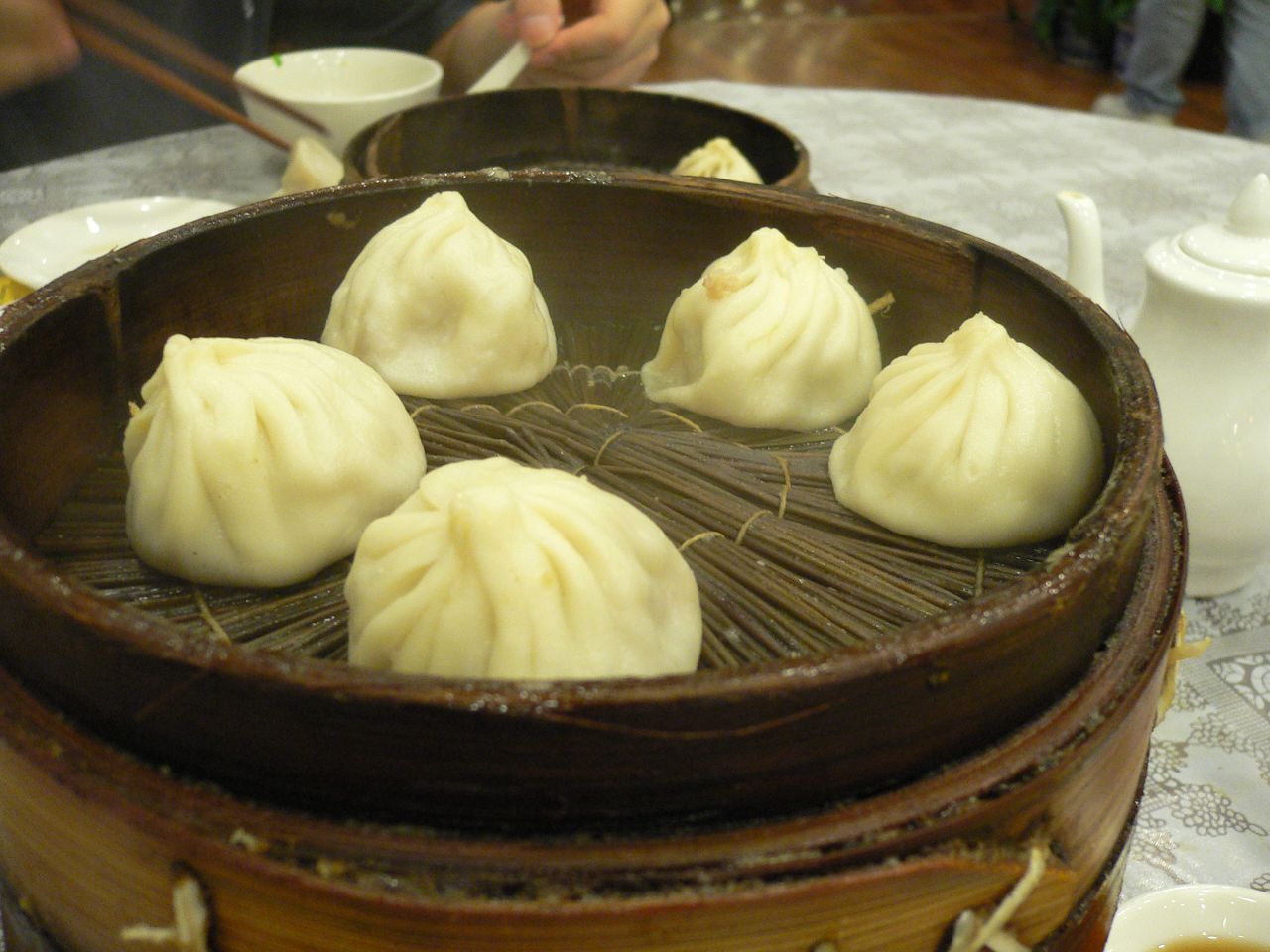
Shanghai’s xiaolongbao are delicate soup dumplings, with savoury liquid inside the wrapper. Shengjian, the city’s pan-fried buns, offer a different preparation and texture. Both are worth understanding as individual dishes rather than treating every basket or plate as the same kind of dumpling.
Check the filling. Pork and crab versions, for example, are different choices, and a photograph does not reliably identify what is inside. Let hot food cool sufficiently before eating, and follow the serving guidance offered by the restaurant if you are unfamiliar with the dish.
A dumpling meal can be a simple lunch in its own right. Order a smaller selection first and add more if needed. Pair the meal with a neighbourhood visit at a comfortable pace rather than spending the afternoon travelling to multiple “must-try” addresses scattered across the city.
Let the next region introduce itself
When your route moves beyond those three cities, ask a more useful question than “What is the best Chinese food?” Ask what people in that place eat for breakfast, which dishes are associated with the area and what is available that day. A hotel host, guide or restaurant team can help you narrow the choices.
Keep a note of dishes you enjoyed, including a photograph of the menu name if appropriate. This helps you find something similar again without assuming every English translation refers to the same preparation. If a dish is not for you, choosing a different one is part of learning your own tastes.
Avoid turning the journey into a competition to order the most unusual ingredient. The meal you remember may be an ordinary breakfast, a bowl of noodles after a long transfer or an evening shared with your companions. Familiarity and curiosity can sit comfortably at the same table.
Make dietary needs clear before ordering
Explain the ingredients you need to avoid, not only a broad dietary label. A dish that appears to be vegetables may use a meat stock or sauce, and a filling may include more than its most visible ingredient. Ask about preparation and shared equipment where that matters to your requirements.
A clear written translation of your needs can help a conversation, but it does not establish that a kitchen can meet them. Seek a definite response from the restaurant and choose another option if the ingredients or preparation remain unclear. For significant allergies, plan suitable meals in advance with advice appropriate to your circumstances.
Do not assume that an entire neighbourhood, cuisine or restaurant category is suitable for a particular diet. Check the individual establishment and the dish being ordered. This is especially important when travelling in a group whose members have different requirements.
Build meals into the itinerary
Give yourself a realistic lunch break on a museum or palace day. Identify a convenient area beforehand, but keep a second option in case the first restaurant is closed, full or unsuitable. Do not make a long cross-city trip for a meal unless the meal itself is one of your main priorities.
On transfer days, check what food you can obtain before boarding and what will be convenient after arrival. Carry what you need within the transport provider’s rules, and avoid arriving at the hotel hungry with no clear plan. A simple nearby meal is often the right choice that evening.
For a celebratory dinner, confirm the address, reservation and cancellation policy directly. Check whether the quoted price is per person, per dish or part of a set menu, and whether additional charges apply. These practical details let you relax once you sit down.
Choose curiosity over a checklist
Before each new city, select one dish you would like to understand and leave room for other discoveries. Ask what makes the local version distinctive, take time to notice the flavour and texture, and write down what you would order again. Food becomes a way of paying attention to the place.
The aim is not to complete every regional cuisine in one holiday. It is to return with a few experiences that belong to your own journey: perhaps a Beijing dinner, a Xi’an noodle bowl or Shanghai dumplings on a quiet morning. Those small discoveries can become the pearls you remember long after the itinerary is forgotten.