🌊 Bay, River & Islands
Brisbane Beaches & Water
Brisbane is a river city on a bay rather than a surf city, and knowing the difference saves a wasted trip. There is excellent swimming here — just not where visitors first look.
Brisbane is a river city on a bay rather than a surf city, and knowing the difference saves a wasted trip. There is excellent swimming here — just not where visitors first look.
Brisbane sits on a river, twenty kilometres inland from Moreton Bay, and the bay is sheltered by two enormous sand islands. That geography explains everything about swimming here: no surf beaches in the city, calm bay water at the edges, and proper ocean beaches an hour away by ferry.
Worth settling first, because visitors ask. The river is tidal with strong currents, visibility is poor, it carries commercial traffic, and bull sharks are present — they tolerate fresh water and range a long way upstream.
Locals do not swim in it. Kayaking, ferries and rowing are all normal; swimming is not.
The answer for swimming in the city itself. Streets Beach at South Bank is a purpose-built lagoon with a graduated sandy entry, lifeguard-patrolled, free, heated, and open year-round including in rain.
It sits in the parklands across the river from the CBD with the Cultural Centre alongside, and the separate Aquativity area is built for younger children. For most visitors staying in the city, this is the practical swimming option.
Wynnum and Manly, about twenty-five minutes east of the CBD, are Brisbane's own bayside suburbs. The water is calm and shallow, and at low tide it retreats a long way across mudflats — this is bay swimming, not surf.
Wynnum has a large free tidal wading pool on the foreshore, which is the reliable option regardless of tide, plus a long esplanade, mangrove boardwalks and good fish and chips. Manly is the boating end, with the marina and weekend markets.
Nudgee Beach, twenty minutes north-east, is not a swimming beach at all — it is mangrove and tidal flat, and excellent for birdwatching rather than bathing.
Shorncliffe and Sandgate to the north have a restored pier, a long foreshore and the same calm, shallow bay conditions.
This is where the real beaches are, and both are day-trip distance.
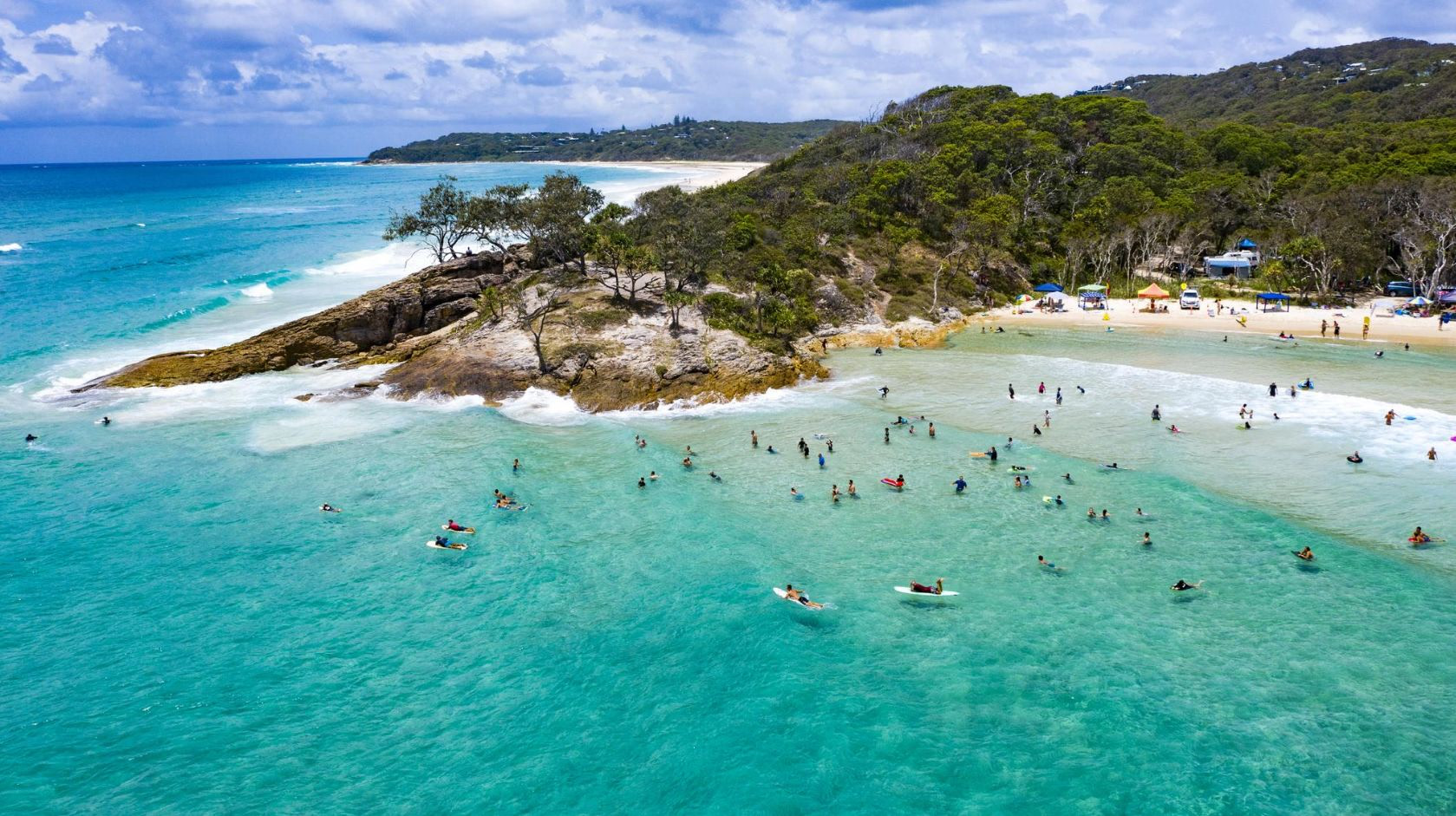
North Stradbroke Island — Minjerribah — is reached by train to Cleveland and a ferry. It has genuine surf beaches at Point Lookout, the free North Gorge Walk around the headland, and some of the best land-based whale watching in South-East Queensland between June and November. Cylinder Beach is the patrolled family option.
Moreton Island — Mulgumpin — is almost entirely sand, reached by vehicle ferry. The Tangalooma Wrecks are a line of deliberately sunk vessels that form a snorkelling site in shallow water, and the island has sandboarding on the dunes.
Both are proper day trips rather than afternoon outings, and both reward an overnight stay.
Swim between the flags at any patrolled beach. Australian rip currents kill more people annually than any other natural hazard here, and they are not obvious to an untrained eye — a rip often looks like the calmest, flattest water, which is exactly why people swim into one.
If you are caught in a rip: do not swim against it. Stay calm, float, raise an arm to signal, and let it carry you out until it weakens, then swim parallel to the beach before coming back in.
Marine stingers are not a Brisbane problem — the dangerous species are found much further north. Bluebottles do wash up on the bay and island beaches with onshore winds and their sting is painful rather than dangerous.
Bay beaches are generally unpatrolled. The island surf beaches are patrolled seasonally.
Several options that do not involve swimming at all.
Kayaking runs on the river through the city, including after dark beneath the lit CBD. The CityCat is the cheapest sightseeing in Brisbane at fifty cents. Whale watching runs June to November, from boats in Moreton Bay or free from the Straddie headland.
Snorkelling at the Tangalooma Wrecks is the closest thing to a reef experience within reach of the city.
Cooee Tours acknowledges the Turrbal and Yuggera (Jagera) peoples as the Traditional Custodians of the land on which Brisbane stands. We pay respect to Elders past, present and emerging.
Transfers, charters and guided days across South-East Queensland. Family owned and operating since 1974.
Ask us