Welcome to the Garden City & the Darling Downs
"Cooee!" — the call that carries across the Australian bush is an invitation to come here, and there are few corners of Queensland that answer it more generously than the Toowoomba Region. Less than two hours' drive west of Brisbane, the road climbs the forested escarpment of the Great Dividing Range and delivers you, quite suddenly, into a different Queensland: a cool-climate city of tree-lined streets, heritage architecture and more than 150 public parks and gardens, surrounded by some of the most productive farming country on the continent.
Toowoomba is Australia's second-largest inland city and the undisputed capital of the Darling Downs. Locals have called it the Garden City for over a century, and one visit in spring will tell you why — the entire city seems to bloom at once, culminating each September in the Toowoomba Carnival of Flowers, Queensland's largest and longest-running regional festival. But the region is far more than one famous festival. Radiating out from the city are more than sixteen towns and villages, each with its own personality: antique-hunting Crows Nest, artisan Highfields, the pioneer plains towns of Pittsworth and Millmerran, and the "Dad and Dave" farming country of Cambooya and Nobby to the south.
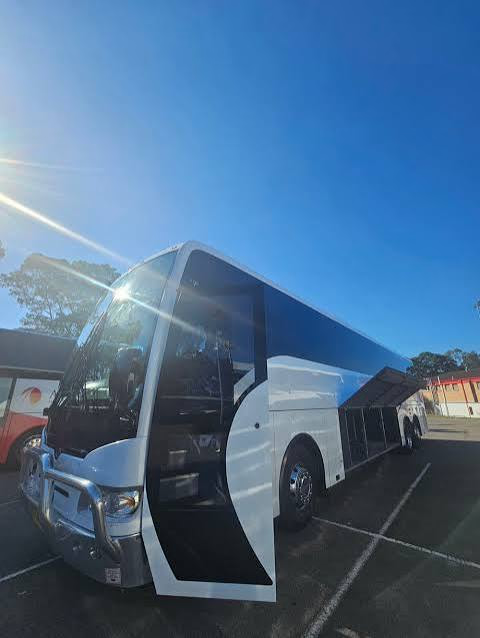
Cooee Tours has been introducing travellers to hidden corners of Australia since 1974, and the Toowoomba Region remains one of our favourite destinations for small group day tours and short escorted breaks from Brisbane, the Sunshine Coast and the Gold Coast. Travelling in an intimate group means we can take the scenic back roads the big coaches miss, linger at a country bakery, pull over for that unplanned photo stop on the range, and introduce you to the growers, gardeners and gallery owners who make this region what it is. This page is your complete guide to the Toowoomba Region — its five distinct touring areas, its history, its signature experiences and the best times to visit — so you can plan your perfect Toowoomba day tour or multi-day Darling Downs itinerary with us.
A Short History of Toowoomba & the Darling Downs
Long before the first European wagon wheels creaked up the range, the Toowoomba district was home to Aboriginal peoples including the Jagera, Giabal and Jarowair, who moved seasonally between the escarpment forests and the plains, and travelled north-west to the Bunya Mountains for the great bunya nut gatherings that drew groups from across south-east Queensland. That deep heritage is still written across the region — most visibly in the ancient bunya pines themselves, which you can walk beneath today in Queensland's second-oldest national park.
European settlement followed botanist and explorer Allan Cunningham's glowing 1827 reports of the rich pasture country he named the Darling Downs. Squatters and their sheep arrived in the 1840s, and a small supply settlement known as "The Swamp" grew beside the springs at the top of the range, soon taking the more dignified name of Toowoomba. The town boomed when the railway conquered the range in 1867 — an engineering marvel of its day, whose most charming surviving station, Spring Bluff, is now one of the region's most photographed heritage sites. Cobb & Co coaches once rattled out of Toowoomba to service the whole of the Downs and beyond; their story, and the National Carriage Collection, is told today at the Cobb+Co Museum in the city's railway precinct.
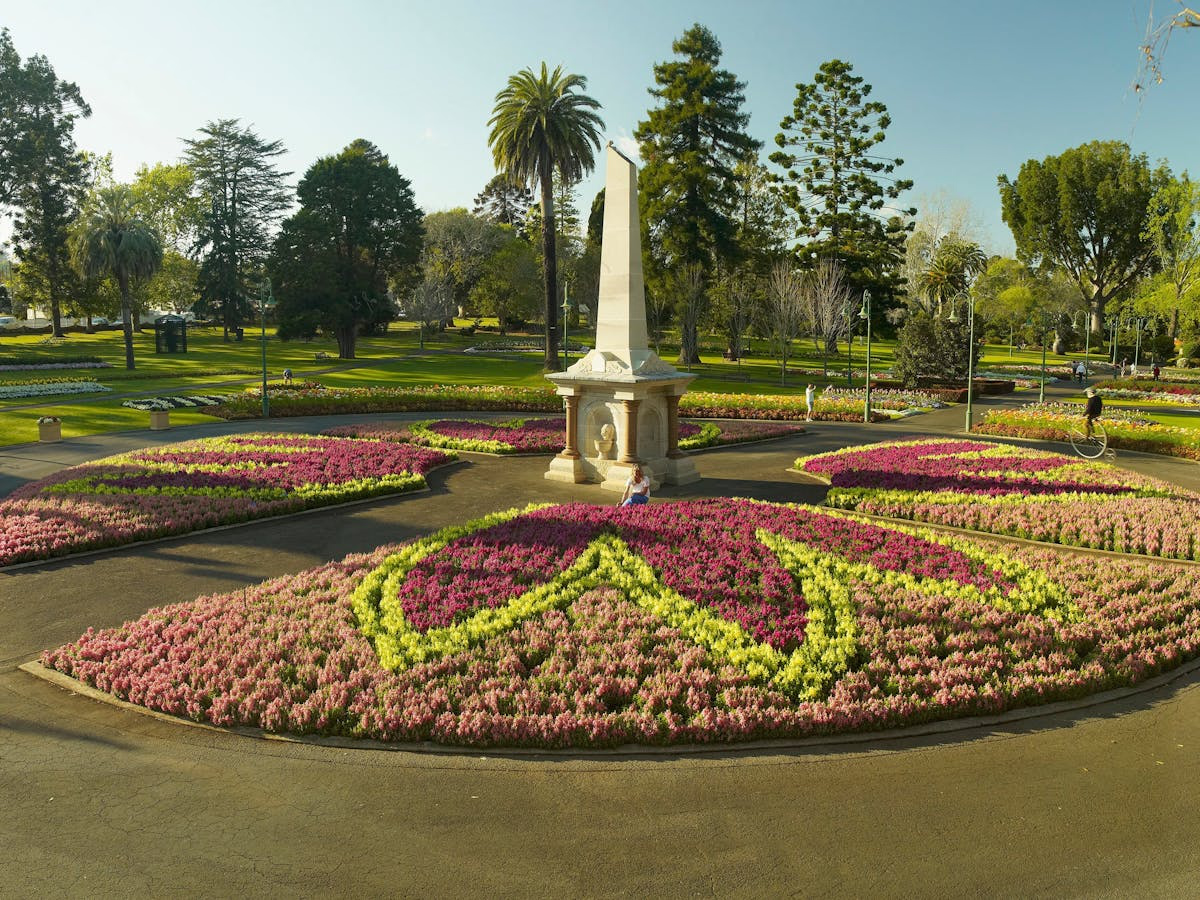
Prosperity built the Toowoomba you see now: grand public buildings, wide streets, and the Victorian-era parks — Queens Park's botanic gardens were begun in 1875 — that earned the Garden City its name. The Carnival of Flowers, first held in 1949, turned that civic pride into Queensland's most enduring festival, now running for more than 75 years. Modern Toowoomba wears its history lightly, layering award-winning street art, a celebrated café scene and one of regional Australia's best food cultures over its heritage streetscapes — which makes it, in our experience, a place guests fall for a little harder than they expected to.
One Region, Five Distinct Touring Areas
The Toowoomba Regional Council area stretches from the rainforest edge of the Great Dividing Range in the east to the open black-soil plains of the western Downs, taking in sixteen-plus towns and villages along the way. For touring purposes it falls naturally into five areas — and because everything sits within roughly an hour's drive of the city centre, Toowoomba works beautifully as a hub-and-spoke destination. Base yourself in the city, and head out in a different direction each day.
1. Toowoomba City — the heart of the region
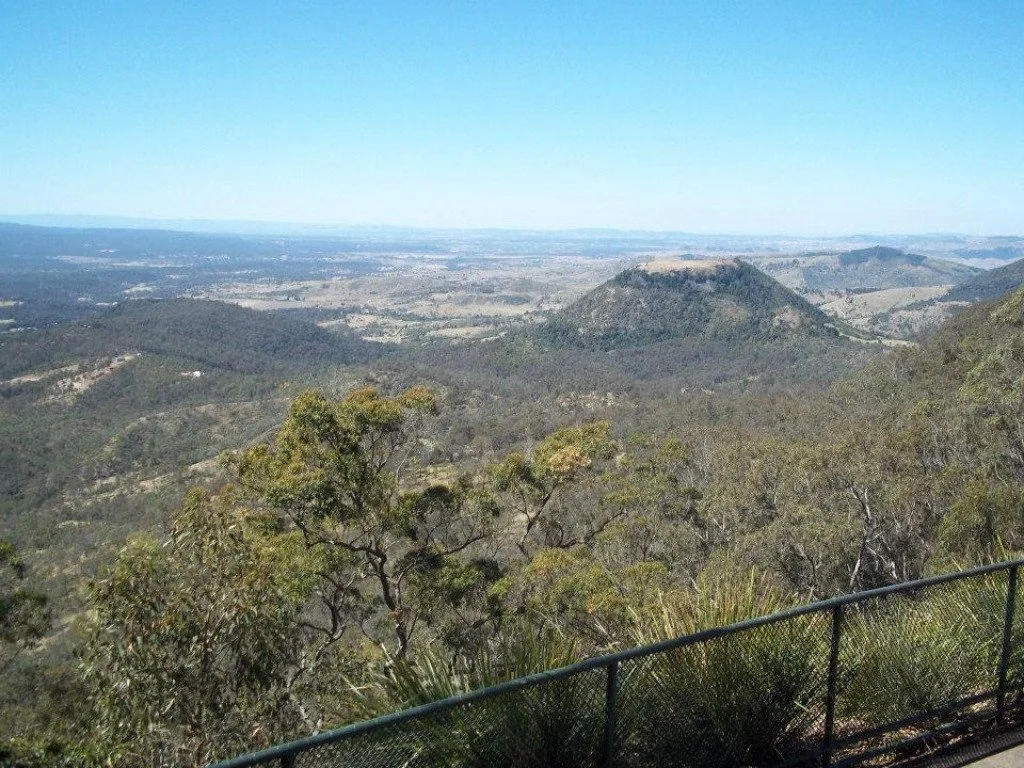
Queensland's largest inland city rewards slow exploration. Start at Picnic Point, the heritage-listed parkland on the very lip of the range, where the lawns fall away to a panorama across the Lockyer Valley to the distinctive flat summit of Table Top Mountain. In town, Queens Park — the Toowoomba Botanic Gardens, developed from 1875 onwards — anchors a network of more than 150 public parks and gardens that includes the wisteria walks of Laurel Bank Park and Ju Raku En, one of the largest and most traditionally designed Japanese stroll gardens in Australia, set around a lake at the University of Southern Queensland.
History lovers should allow a half day for the Cobb+Co Museum, home of the National Carriage Collection and live heritage-trade workshops, while art lovers can wander the CBD's laneways, transformed by the First Coat street art movement into an open-air gallery of large-scale murals. On Saturday mornings the farmers' market sets up under the windmills beside the museum — the perfect place to meet the growers of the Darling Downs and graze your way through the region's larder. Add a flourishing café and restaurant scene, from heritage pubs to hatted dining, and you can see why many of our guests happily spend two full days in the city before venturing further.
2. The High Country — Highfields, Hampton & Cabarlah
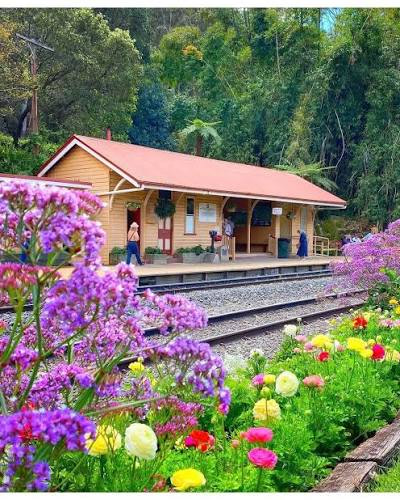
Strung along the New England Highway on top of the escarpment north of the city, this leafy corridor is the region's lifestyle belt. Highfields has grown into a destination in its own right, known for its unique and specialised art, craft and food outlets; Cabarlah adds country markets and antique stores; and tiny Hampton, perched right on the crest, has become an escarpment-top stop for regional food and produce with views over the Lockyer Valley far below. Tucked into the range foothills nearby is Spring Bluff Railway Station, the beautifully preserved 1860s station whose terraced flower beds blaze into colour every spring — an essential stop on any Carnival of Flowers tour and a favourite Cooee Tours photo stop year-round.
3. The Far North — Crows Nest, Ravensbourne & Yarraman
Continue north along the New England Highway and the country opens into classic Queensland high-country farmland, punctuated by towns with a famously relaxed pace. Crows Nest is the anchor: a heritage main street of antique shops and country cafés, a town so self-sufficient it has been making its own soft drinks since 1903. Just out of town, Crows Nest National Park hides granite gorges, swimming holes and the walking track to Crows Nest Falls. To the east, Ravensbourne National Park protects a pocket of cool remnant rainforest on the range edge, with short walks and lookouts towards the peaks of the Scenic Rim. Further on, the timber towns of Cooyar and Yarraman mark the region's northern gateway, while the villages of Maclagan and Quinalow sit at the foothills of the Bunya Mountains — the launching point for a day among the ancient bunya pines of Queensland's second-oldest national park, about an hour and a half from Toowoomba.

4. Steele Rudd Country — Cambooya, Greenmount, Nobby & Clifton
South of the city the New England Highway rolls through the landscapes that inspired Steele Rudd's beloved "Dad and Dave" stories of Australian selection life. Cambooya proudly calls itself the heart of Steele Rudd Country; Greenmount, 28 km south of the city, and tiny Nobby carry the literary trail onward; and Clifton rounds it out as a quintessential country town of heritage pubs and a classic wide main street. This is quietly beautiful touring country — silo-dotted horizons, long views over some of Australia's richest farming soil, and the kind of back-road drives where the journey genuinely is the destination. It is also a region of country hospitality at its best: morning tea in a Nobby tearoom or a counter lunch in a Clifton pub is as authentic a Darling Downs experience as any lookout.
5. The Western Plains — Oakey, Jondaryan, Pittsworth, Millmerran & Cecil Plains
Follow the Warrego and Gore Highways west and the country flattens into big-sky grain and cotton land — the celebrated black-soil plains of the Darling Downs. Oakey, 26 km west of Toowoomba, carries a proud army aviation heritage; Jondaryan is famous for its historic woolshed district; Pittsworth, 40 km south-west, preserves a rich pioneering history; and Millmerran, 84 km out on the Gore Highway, delivers genuine country hospitality on the region's south-western edge. The quiet village of Cecil Plains, dotted with historic buildings beside the Condamine River, completes the picture. Out here the appeal is space, silence and authenticity — sunset over a wheat paddock, a yarn with locals at a country pub, and horizons that seem to go on forever.
The Toowoomba Carnival of Flowers
If the Toowoomba Region has one unmissable date on its calendar, this is it. First held in 1949 and now running for more than 75 years, the Toowoomba Carnival of Flowers is Queensland's largest and longest-running regional festival — ten days each September when the Garden City lives up to its name in the most spectacular way imaginable. Queens Park and Laurel Bank Park are planted months in advance with tens of thousands of blooms; the city's champion private gardeners throw open their gates for the prize garden competitions; the Grand Central Floral Parade rolls through the city streets; and a program of food, wine and music events fills the evenings.
For visitors, carnival time transforms the whole region, not just the city. Spring Bluff Railway Station is at its terraced, flower-filled best; the High Country villages stage their own displays; and the whole of the Darling Downs seems to put on its spring colours at once. It is also, without question, the busiest time of year in Toowoomba — accommodation books out months in advance, which is exactly why an escorted small group tour is the easiest way to experience the carnival. Cooee Tours' Carnival of Flowers touring takes care of everything: guaranteed accommodation, reserved touring of the prize-winning gardens, and a relaxed coach seat up and down the range while someone else worries about the parking.
Carnival of Flowers 2026
Ten days of prize-winning private gardens, the Grand Central Floral Parade, food and wine events and the city's 150+ parks in full spring bloom. Ask us about our Toowoomba Carnival of Flowers tour departures — they are our most popular Queensland touring dates of the year, and seats are limited in our small groups. Book early.
Signature Experiences of the Toowoomba Region
Every Cooee Tours itinerary is built around experiences rather than checklists, but some places simply define the region. These are the stops our guests talk about on the drive home.
Picnic Point Lookout
Heritage-listed parkland on the range edge with sweeping views over the Lockyer Valley to Table Top Mountain — the region's classic photo stop, complete with parkland walks and a café.
Cobb+Co Museum
Home of the National Carriage Collection and the story of horse-drawn transport in Australia, with live heritage trades workshops and the Saturday farmers' market at its door.
Ju Raku En Japanese Garden
One of the largest and most traditionally designed Japanese stroll gardens in Australia — lakeside paths, stone lanterns and mountain views at the University of Southern Queensland.
Spring Bluff Railway Station
A beautifully kept 1860s heritage railway station in the range foothills, ablaze with terraced flower beds each spring carnival season.
Crows Nest Falls
Granite gorges, swimming holes and walking tracks in Crows Nest National Park, just outside a heritage town famous for antiques and soft drinks made locally since 1903.
Ravensbourne National Park
Cool remnant rainforest perched on the Great Dividing Range, with short walks beneath towering trees and lookouts towards the Scenic Rim.
Bunya Mountains National Park
Queensland's second-oldest national park, about 1½ hours from Toowoomba — ancient bunya pines, rainforest walking trails and wallabies grazing the picnic lawns.
Street Art Laneways
Dozens of large-scale murals from the First Coat festival era turn the CBD's laneways into one of regional Australia's best open-air galleries.
Food, Wine & the Darling Downs Larder
The Darling Downs has fed Australia for the better part of two centuries, and today the region's food culture is a destination in itself. Toowoomba's café scene would hold its own in any capital city — laneway espresso bars, artisan bakeries whose pastries are worth the drive from Brisbane on their own, and a restaurant roster that runs from heritage pub dining rooms to contemporary kitchens showcasing Downs beef, lamb and seasonal produce.
Beyond the city, the food trail is half the fun of touring. Saturday's farmers' market under the windmills at the Cobb+Co Museum gathers the region's growers in one place; Hampton and Highfields have become genuine escarpment food stops; Crows Nest bottles its famous local soft drinks; and the country bakeries of Clifton, Pittsworth and Millmerran keep the great Australian country-town morning tea tradition proudly alive. On Cooee Tours' small group departures we build these tastes into the day — a producer visit here, a long country lunch there — because in our experience nothing tells the story of a farming region better than its food. Ask us too about seasonal touring themes: our garden tours in spring, and food-and-produce touring through autumn, sell out fastest.
Touring the Region: Routes & Itineraries
Toowoomba works best as a hub-and-spoke destination: base yourself in the city and tour in a different direction each day. The region's own "great country drives" link the towns into easy loops, and every one of them suits coach touring as well as self-driving — better, in fact, when the range road is doing its winding best and you would rather be watching the view than the white lines. Here are the five touring routes we rate most highly, with the highlights of each.
| Route | Direction & distance | Highlights |
|---|---|---|
| High Country loop | North via New England Hwy, ~90 km return | Highfields galleries & food outlets, Cabarlah antiques, Hampton escarpment views, Crows Nest heritage main street, Ravensbourne National Park rainforest |
| Spring Bluff & range foothills | North-east, ~35 km return | Spring Bluff Railway Station heritage gardens, Murphys Creek, escarpment scenery on the historic 1867 railway route |
| Steele Rudd country | South via New England Hwy, ~100 km return | Cambooya, Greenmount, Nobby and Clifton — "Dad and Dave" literary country, heritage pubs, tearooms and Darling Downs farmland views |
| Western plains run | West via Warrego & Gore Hwys, up to ~170 km return | Oakey, Jondaryan, Pittsworth, Millmerran and Cecil Plains — pioneering heritage, woolshed country and big-sky black-soil plains |
| Bunya Mountains day tour | North-west via Maclagan, ~3 hrs return driving | Quinalow and Maclagan villages, then ancient bunya pine rainforest walks, lookouts and wallabies in Queensland's second-oldest national park |
For guests with more time, the Toowoomba Region also makes a superb first chapter in a longer Darling Downs and Southern Queensland Country itinerary — continuing west to the Granite Belt's wineries or out along the Warrego Highway into the western Downs. Talk to us about tailoring a multi-day escorted itinerary; custom touring for private groups, clubs and extended families is a Cooee Tours specialty.
Know Before You Go
A little planning makes the Garden City even sweeter. The essentials at a glance:
| Detail | Information |
|---|---|
| Getting there | About 1¾–2 hours' drive west of Brisbane via the Warrego Highway and Toowoomba Bypass. Regional flights operate into Toowoomba Wellcamp Airport, and daily coach services run from Brisbane. Cooee Tours day tours depart from Brisbane and South East Queensland pick-up points — the range drive is part of the experience. |
| Climate | At around 700 m elevation the region is noticeably cooler than Brisbane — warm summers, crisp winters with frosty mornings, and a famously colourful spring. Pack a warm layer in any season outside high summer. |
| Best time to visit | September for the Carnival of Flowers and spring gardens; autumn (March–May) for mild touring weather and harvest colours; winter for fireside country-pub weekends and clear-sky lookout views. |
| Time needed | A day tour covers the city's highlights; two to three days adds one or two country loops; five days lets you tour all five areas of the region at a relaxed pace. |
| Markets & events | Toowoomba Farmers' Market every Saturday morning at the Cobb+Co Museum; regular country markets at Cabarlah, Crows Nest and Pittsworth; Carnival of Flowers each September (18–27 September in 2026). |
| Accessibility | The city's major parks, gardens and museums are largely wheelchair-friendly with sealed paths; national park waterfalls and gorge tracks involve uneven walking. Tell us about any mobility needs when booking and we will build the day around them. |
Toowoomba Region: Frequently Asked Questions
How far is Toowoomba from Brisbane?
Toowoomba is about 125 km west of Brisbane — roughly 1¾ to 2 hours' drive via the Warrego Highway and the Toowoomba Bypass, climbing about 700 metres up the Great Dividing Range along the way. That easy distance is what makes Toowoomba day tours from Brisbane so popular: you can leave the coast after breakfast, spend a full day in the Garden City and the Darling Downs, and be home for dinner.
What is Toowoomba famous for?
Toowoomba is best known as Australia's "Garden City" — home to more than 150 public parks and gardens and the Toowoomba Carnival of Flowers, Queensland's largest and longest-running regional festival, held every September since 1949. It is also famous for its position on the crest of the Great Dividing Range, its heritage architecture, the Cobb+Co Museum's National Carriage Collection, its award-winning street art laneways, and its role as the capital of the richly productive Darling Downs farming region.
When is the Toowoomba Carnival of Flowers in 2026?
The 2026 Toowoomba Carnival of Flowers runs from 18 to 27 September 2026. Accommodation and tours book out well in advance for carnival dates, so we recommend reserving your Cooee Tours Carnival of Flowers tour as early as possible in the year.
What towns are in the Toowoomba Region?
Beyond Toowoomba City itself, the region takes in more than sixteen towns and villages: Highfields, Hampton, Cabarlah, Geham and Goombungee in the high country; Crows Nest, Ravensbourne, Cooyar, Yarraman, Maclagan and Quinalow to the north; Cambooya, Greenmount, Nobby and Clifton in Steele Rudd Country to the south; and Oakey, Jondaryan, Pittsworth, Millmerran and Cecil Plains on the western plains.
How many days do you need in the Toowoomba Region?
A well-planned day tour covers the city's gardens, lookouts and laneways. Two to three days lets you add a country loop or two — the High Country and Crows Nest run north, or Steele Rudd Country south. To tour all five areas of the region at a relaxed pace, including a Bunya Mountains day, allow around five days. Cooee Tours offers both single-day and multi-day escorted options.
Are Cooee Tours' Toowoomba tours suitable for seniors and solo travellers?
Absolutely — small group touring is what we have done since 1974. Our groups typically number between 8 and 24 guests, our pace is unhurried with plenty of comfort stops, and solo travellers are warmly welcomed. Walking on most Toowoomba Region touring is easy-to-moderate, and we can tailor the day for any mobility needs — just let us know when you book.
Ready to Explore the Garden City?
Travel further with Cooee Tours. Browse our Toowoomba day tours and multi-day Darling Downs itineraries — from Carnival of Flowers specials to High Country, Steele Rudd Country and Bunya Mountains touring — or talk to us about a tailored itinerary for your own private group.
View Toowoomba Tours Contact Cooee Tours