Carnival of Flowers: How to Do September Toowoomba
Seventy-seven festivals in, the Carnival has its own rhythm. Here's how it actually works — and how the locals would tell you to do it.
The shape of the festival
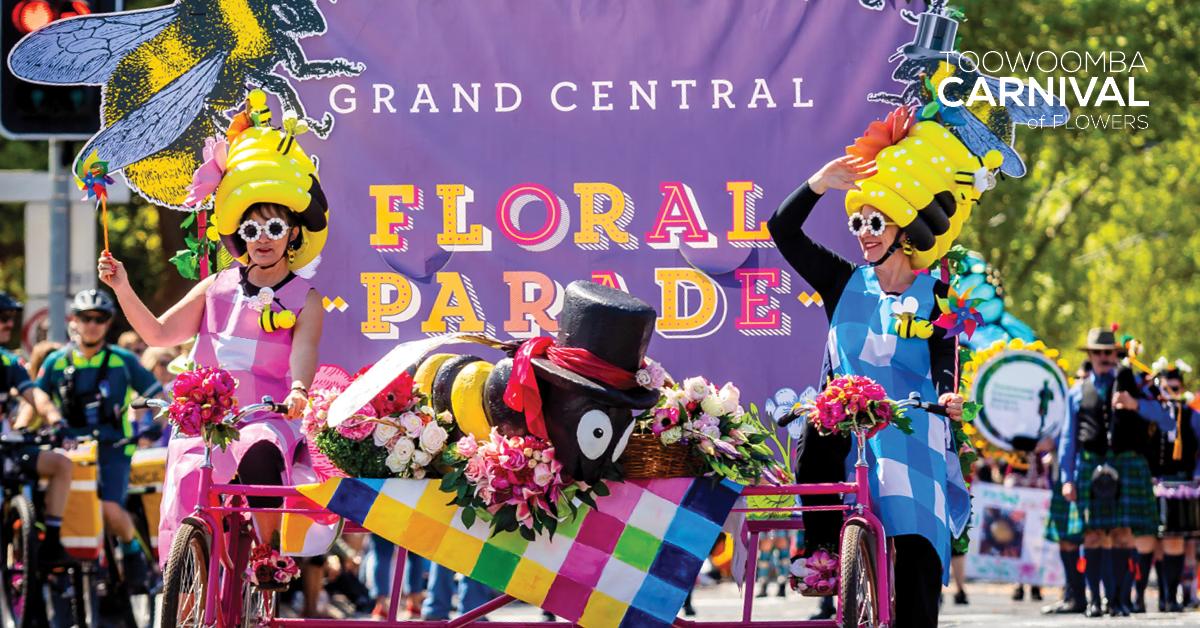
The 2026 Carnival runs Friday 18 September to Monday 5 October — eighteen days built around three feature weekends. The opener brings Floral Friday and the Grand Central Floral Parade (Saturday 19 September); the middle weekend is FEASTival, the food festival within the festival; and the closing King's Birthday long weekend carries the Weekend Table dining series and the Paw Parade. Between the weekends, the flowers simply keep going.
What's free (most of it)
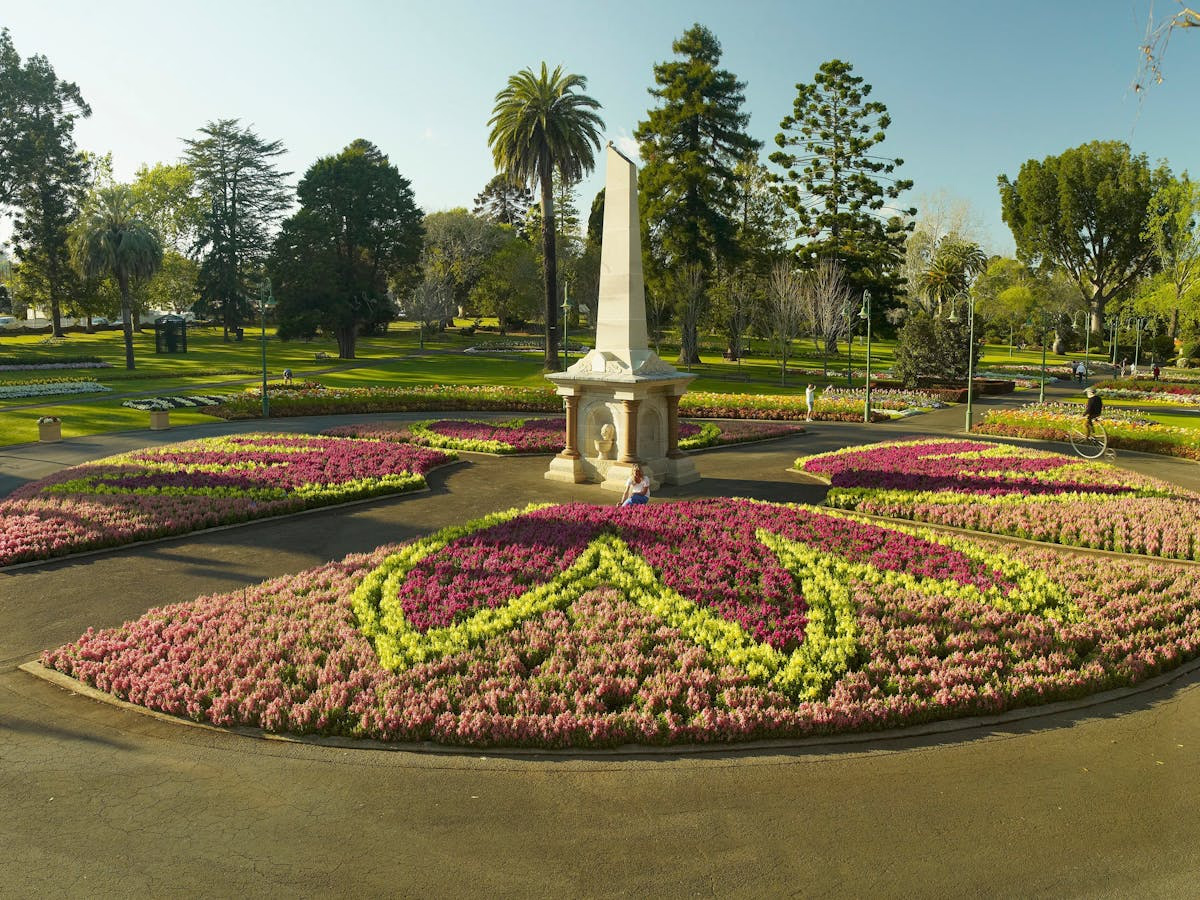
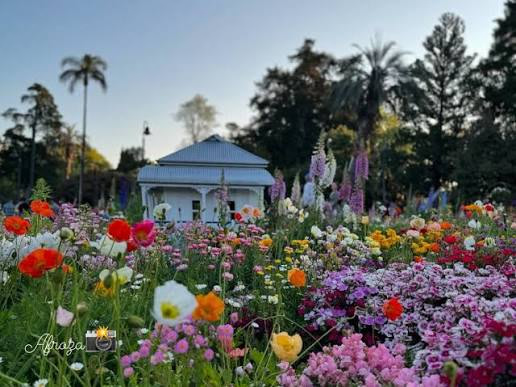
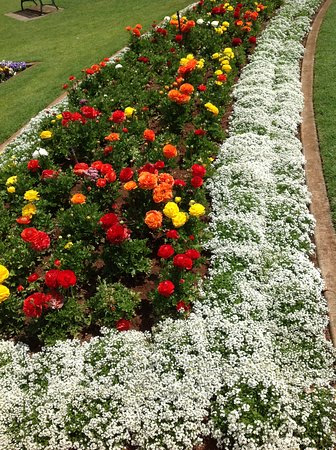
The heart of the Carnival costs nothing: the feature floral displays in Queens Park and Laurel Bank Park — more than 40 million petals across the city's parks — are free and open daily for the entire festival. So is watching the parade from the street. A first-time visitor could fill two full days without buying a single ticket, which is a genuinely rare thing among Australia's major festivals.
What's ticketed
Signature events, concerts, some of the champion private gardens and the premium food experiences carry a charge, and the best of them sell out when the program drops. The private competition gardens are the sleeper: home gardens tended all year for this one fortnight, opened by their owners. Check the official festival program for the year's line-up and ticketing.
The local's call: parade weekend for your first Carnival, FEASTival for your stomach, midweek for your camera.
How locals do it
They go early — the gardens between 8am and 10am belong to walkers, photographers and gardeners, not crowds. They go midweek when they can. They treat the parade as a once-every-few-years pilgrimage rather than an annual obligation, and they never, ever drive into the parade precinct on the Saturday. Adopt all four habits and you're travelling like a local on your first visit.
The planning order
Book accommodation first — feature weekends sell out months ahead (our accommodation guide has the strategy). Then pick your weekend with the best-time guide, decide driving versus coach, and pack for the altitude with the packing list.
The complete reference
This is the how-to-think-about-it guide; the full reference — verified 2026 dates and program, every garden, itineraries, FAQs and our coach tours from $89pp — lives on our Carnival of Flowers 2026 page. Start there for the details, come back here for the philosophy.
The program, decoded
The Carnival's program looks sprawling until you sort it into its four real layers. The gardens — Queens Park and Laurel Bank's mass displays, free daily, the festival's constant. The set pieces — the Grand Central Floral Parade (Saturday 19 September 2026), FEASTival food weekend (26–27 September), the Paw Parade (4 October): one headline per weekend, each with its own crowd. The open gardens — the Chronicle competition's champions, gates open on their own schedules across the run. The wrapping — markets, music, street entertainment and pop-ups that thicken around weekends and relax midweek.
Build your visit by picking from layers, not dates: constants plus one set piece plus whatever wrapping your energy allows. Every good Carnival plan — including the tour itineraries at the end of this guide — is some version of that arithmetic.
Money: what's free, what's ticketed, what's worth it
The Carnival's budget profile is its best-kept secret: the headline attractions cost nothing. Queens Park, Laurel Bank, the parade from any public kerb, the decorated streets, most of the markets and street program — free, all of it. Money enters at the edges: some FEASTival sessions and evening events are ticketed, some private garden entries carry a gate price, and premium experiences (reserved parade seating, special dinners) price accordingly.
An honest worth-it guide: ticketed food events reward food-first visitors and are skippable for garden-first ones; open-garden gate fees are almost always worth the few dollars — you're funding the city's gardening culture at its source; and transport is the spend that most changes the day, because it converts logistics into holiday. A family can do a superb free Carnival day plus coach fares and a picnic; a couple can spend properly on FEASTival and a hatted dinner. The festival meets every budget that plans.
Getting there and around on festival days
The unglamorous facts that make or break the day: Toowoomba sits 125km and one mountain range west of Brisbane, roughly 90 minutes when the traffic behaves and longer when festival weekends stack the Range crossing. Parking near Queens Park on feature days is a before-9am sport; parade day closes the central streets entirely. Once you're in, the core is walkable — gardens, precinct and CBD sit within an easy radius — but Picnic Point and the decorated streets want wheels.
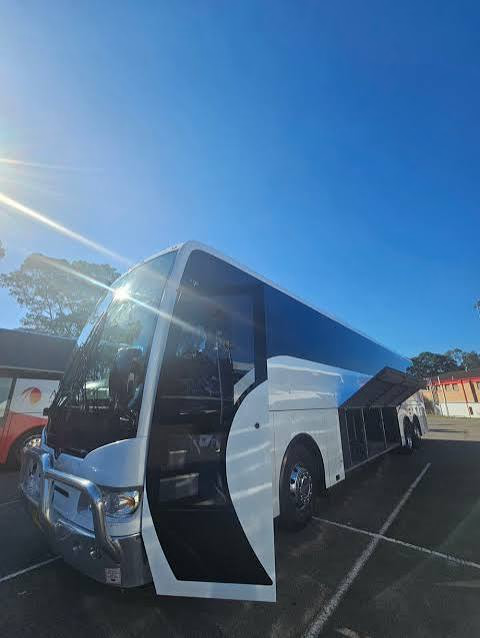
Hence the standing advice this site gives without embarrassment, since it's why we exist: let a coach do it. Day tours from Brisbane ($89), the Gold Coast ($99) and the Sunshine Coast ($109) deliver you to the garden gates with morning tea handled and the parking problem abolished. Self-drivers should aim early, park once, and walk — the full getting-around guide linked below has the detail.
Where to stay, and the deadline that matters
September is Toowoomba's peak, full stop. Central hotels, apartments and the motel belts sell out months ahead at premium rates; the village of Highfields catches the overflow; and every year a cohort of optimists discovers all of this in August. If you're staying, the rule has no exceptions worth naming: book by autumn, stay central if you can walk, and treat the weekend coach tours — accommodation bundled — as the clean solution when the room hunt turns ugly. Day-trippers, of course, opt out of the entire problem; it's their format's quiet superpower. The full where-to-stay guide below ranks the areas properly.
Eating through the festival
Feed the day in layers, like the program. Morning: the CBD's specialty coffee belt — a genuine strength of this city — or morning tea with a view if you're touring. Midday: festival markets for atmosphere, laneway cafes for quality, or a picnic under the Queens Park trees for the best value-per-metre-from-the-flowers. FEASTival weekend upgrades everything with Darling Downs producers and pop-up kitchens; regular weekends still eat well.
Evenings belong to those who stay: the container-precinct casual options, the pubs with their fires going, and a hatted table for the occasion night — book the good rooms ahead in festival season. The where-to-eat guide linked below names names; the short version is that the Downs feeds its festival extremely well.
A sample festival day, assembled
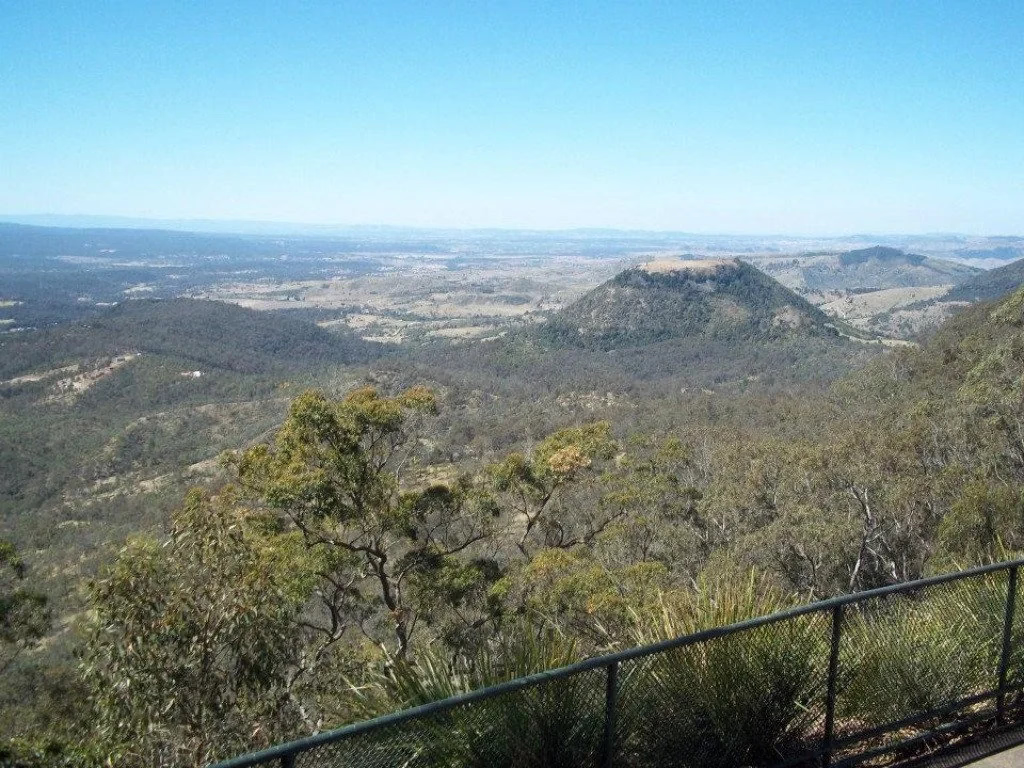
Pulling the layers into one clean day: 8:45am arrive (or roll off the coach) at Picnic Point for the valley view while the light is right. 9:45am Queens Park in the golden window — beds, rotunda, botanic corners. 12pm lunch layer of choice: markets, laneway or picnic. 1:30pm Laurel Bank as the fragrance lifts, then an open garden if a champion's gate is nearby. 3pm the decorated streets by vehicle, and either the Range descent home or — if you planned like a local — check-in, golden hour, and a Toowoomba evening. Swap in parade, FEASTival or Paw Parade on their days and shift the gardens earlier. That's the whole craft.
Doing it with kids, or with grandparents
The Carnival is genuinely three-generation compatible, with tuning. For kids: parade and Paw Parade are the anchor events, Queens Park's playgrounds absorb the between-times, picnics beat queues, and the coach's no-car-seat-juggling logistics earn their fare twice over — the family guide below goes deep. For older visitors: sealed garden paths, a pace built around morning quality rather than quantity, midweek dates, and the low-step coaches that have made this festival a seniors' favourite for decades. The format flexes; the flowers don't care how old you are.
First-timer mistakes, skipped in advance
The classics, collected from years of coach-seat debriefs. Arriving at midday — the single most expensive free mistake; the festival's best hours are 9 to 11. Driving into parade day without a parking plan — the streets close, the sport begins at dawn, and tow trucks know the routine better than visitors do. Doing only Queens Park — half the argument, as our gardens guide puts it. Booking accommodation in August — a comedy with a predictable ending. Underdressing for 700 metres — the shorts-at-9am tradition claims new victims annually.
Subtler ones: treating the ticketed events as compulsory (the free spine is the festival), treating the decorated streets as skippable (they're the city's actual soul), and treating the food as fuel rather than a layer of the program. All fixable in advance, which is what this guide is for.
The festival for every traveller type
Garden pilgrims: midweek, mornings, both premier parks plus a champion private garden — and the Deluxe tour if curation appeals. Families: parade or Paw Parade weekends, playground intervals, picnic logistics — the family guide below is your document. Food travellers: FEASTival weekend with the CBD's coffee belt as your base camp. Photographers: the light timetable in our photography guide, and a format that owns golden hour. Seniors and clubs: midweek coach days — sealed paths, low steps, handled logistics — or the gentle weekend formats. The simply curious: any day at all; the festival's spine is free and the flowers don't audition their audience.
Half-day add-ons that upgrade the trip
With the festival spine secured, the precinct's edges reward spare hours. Cobb & Co Museum, directly opposite Queens Park, holds the National Carriage Collection and working heritage trades — the region's best wet-weather card and a genuine attraction in its own right. The street-art laneways thread the CBD between coffee stops; twenty minutes of murals, no map required. Picnic Point's walking trails extend the lookout into an hour of escarpment paths. And Spring Bluff, twenty minutes down the Range, turns a spare morning into the region's most photographed railway platform — the weekend tours build it in; day-trippers with cars can chase it themselves.
None are compulsory. All are the difference between seeing the festival and meeting the city that throws it.
Your questions, quickfire
Is one day enough? For the highlights, comfortably — that's the entire day-tour thesis. For the festival plus the region, that's a weekend. Do I need tickets for anything? Only the extras; the spine is free. Is it worth it outside the set-piece weekends? Emphatically — midweek is the connoisseur's festival. Wheelchair or pram? The premier gardens handle both well; see the accessibility notes in our gardens guide. Dogs? On leads in the parks, starring on 4 October. Rain? The festival shrugs; pack compact and shoot the glitter afterwards.
And the one everyone asks: is it really worth the trip for flowers? Seventy-seven consecutive years of hundreds of thousands of visitors constitute the answer; the gardens merely provide the evidence.
How the guided options map onto this guide
If reading this has assembled itself into 'someone should just organise it', that instinct has products. The Classic day tours ($89 Brisbane, $99 Gold Coast, $109 Sunshine Coast) run the guide's sample day almost line for line — lookout, golden-window gardens, festival free time, decorated streets — with the transport and timing decisions made by people who make them all season. The Deluxe Experience ($159) upgrades to a small group, extra gardens and a seated Darling Downs lunch: this guide's connoisseur recommendations, catered.
The weekend tours (from $595) answer the accommodation section's whole problem by bundling the bed, and unlock the evening-and-dawn festival day-trippers never meet. And private charters hand garden clubs and groups the entire apparatus on their own dates. None of it is compulsory — this guide works fine with your own car and an early alarm — but it exists because the festival's logistics are the one part of the experience nobody ever missed after delegating.
The guide in one pocketable paragraph
Dates 18 September – 5 October 2026; parade the first Saturday; FEASTival the middle weekend; dogs to finish. The spine is free: two premier gardens, the parade kerb, the decorated streets. Go mornings, layer for 700 metres, book beds by autumn and parade transport early. Eat in layers — coffee belt, markets or picnic, one proper dinner if you stay. Add Cobb & Co or the laneways with spare hours. Kids: parade, playgrounds, picnics. Grandparents: midweek, sealed paths, coach. And if the logistics list reads longer than the holiday: coaches from $89 make the whole thing somebody else's job. That's September in Toowoomba; the flowers handle the rest.
Accessibility across the whole festival
The festival's accessibility story is genuinely good and worth telling plainly. The premier gardens run sealed, level paths through their display areas; accessible facilities and parking sit close to both; and the flat CBD precinct keeps distances short between gardens, food and events. The parade can be watched seated from any kerb — arrive early for the front row, which is also the accessible row. Coaches with low-step entry (and drivers practised at unhurried boarding) have made the festival a fixture of the seniors' touring calendar for decades.
The honest caveats: private competition gardens vary from step-free to sculpted challenge — ask at each gate; Spring Bluff's slopes reward planning; and feature-weekend crowds are their own mobility tax, which the midweek recommendation solves twice over. Visitors with specific needs who book a tour should say so at booking: seating, pacing and route all flex, and the festival's whole culture leans helpful.
Sustainability and the festival's quieter values
A modern note the festival wears lightly: those forty million petals are the visible end of a long sustainability practice. Beds are composted and rotated between seasons; plantings are chosen for the climate rather than against it — the altitude does the work that irrigation would otherwise strain to do; and the spent displays are mulched back into the parks each October rather than skipped away. Visitors can lean into the same spirit cheaply: refill bottles at the park stations, carry market purchases in your own bag, keep to paths (compaction is the enemy the gardeners fight all festival), and travel shared where you can — one coach up the Range carries fifty cars' worth of visitors, which is arithmetic the escarpment appreciates.
After the festival: keeping the Carnival going
The festival ends on the long-weekend Monday; the Garden City doesn't. Late October hands the stage to the jacarandas — purple avenues, empty cafes, off-peak rates — and December lights Queens Park for Christmas Wonderland. Gardeners go home and redesign their own beds with competition-caught ambition; photographers cull their sets and book earlier next year; and a reliable percentage of first-timers become the annual pilgrims this festival has been quietly manufacturing since 1949. Consider yourself warned, and consider the guides linked below the maintenance manual for the habit you're about to acquire.
And if this guide did its job, the last step is the easiest: pick the week, book the essentials, and let September do what it has done for seventy-seven years. The Carnival's genius was never complexity — it's a city that decided spring deserved a festival, and kept the promise annually. Meet it halfway with a morning arrival and a warm layer, and it will handle the rest.
See you at the rotunda — early, layered, and ahead of the coaches. The kettle at Picnic Point will already be on.
Packing for a festival at 700 metres
The Carnival's dress code is written by altitude. Toowoomba sits about 700 metres up the Great Dividing Range, and a September day here typically runs cool-to-cold in the morning, genuinely warm through the middle, and cool again the moment the sun drops — which means the only correct outfit is layers, worn and shed on schedule. The working kit: a warm layer for the first hours, a sun hat and sunscreen for the middle ones, shoes that can do lawn, gravel and kilometres without complaint, and a refillable water bottle, because garden days are thirstier than they look. A compact picnic rug converts Queens Park into a dining room; a spare phone battery converts a long photogenic day into a fully documented one.
Occasion-specific extras: parade day rewards a folding chair or a kerb-friendly cushion and an earlier-than-sensible arrival; FEASTival weekend rewards an appetite managed like a budget — arrive hungry, graze wide, commit late. What to leave behind is shorter: anything heavy, anything new-shoed, and any assumption imported from sea level about what a Queensland spring morning feels like. The shorts-at-9am tradition claims new victims every festival, and the veterans in their layers watch it happen with the quiet satisfaction of people who read the packing section.
Bringing a group
The Carnival is one of Queensland's great group outings — garden clubs, probus and seniors' groups, extended families, workplaces engineering a spring outing with actual appeal — and a little structure turns a crowd into a good day. The coach maths does most of the work: one booking, one departure point, one vehicle up the Range beats a convoy of cars negotiating festival parking by any measure you care to apply, and the full tour calendar spans day trips from Brisbane, the Gold Coast and the Sunshine Coast through to multi-day weekends, so most groups find their format off the shelf. The add-ons were practically designed for groups: the $22 Spring Picnic Lunch solves the where-shall-we-all-eat negotiation in advance, and premium front-of-coach seating at $5 settles the other traditional dispute for less than a coffee.
Field-tested group tactics, whatever your transport: pick midweek if the group's diaries allow, since every crowd-related friction halves; appoint one meeting point per garden and a regroup time, then actively encourage scattering in between — a group that walks the beds in a single formation sees half as much and enjoys it less; and build the sit-down anchor (morning tea or lunch) into the middle of the day, not the end, so the social point of the outing happens while everyone is still upright. Groups that book early get the dates they want; groups that book late get a lesson in the festival's popularity. Choose accordingly, and early.
Your second Carnival
First Carnivals follow this guide's spine: parade or headline weekend, Queens Park and Laurel Bank, the classic day. Second Carnivals are where visitors get interesting. The returner's edit usually starts with the calendar — swapping the parade crush for FEASTival's long graze or the closing weekend's relaxed, dog-adjacent charm — and continues outward from the famous parks: Spring Bluff's station gardens met properly at a quiet hour, the champion private gardens toured with the unhurried nosiness they deserve, Ju Raku En given the full hour the first trip denied it. Many returners also change format entirely, trading the day trip for an overnight and discovering the dusk-and-dawn festival that same-day visitors never meet.
The festival cooperates with repetition better than almost any event in the country, because its centrepiece is rebuilt from nothing every year — new designs, new colour schemes, new beds — and its program shifts around the fixed spine. A second visit is therefore not a repeat but a different draw from the same generous deck, and the people you'll meet on their fifteenth Carnival are simply the ones who understood this earliest. The honest warning stands: this festival manufactures annual pilgrims at an industrial rate, and the second visit is the one that usually seals it.
See the Carnival the easy way
Cooee Tours runs Carnival day tours from Brisbane ($89pp), the Gold Coast ($99pp) and the Sunshine Coast ($109pp), plus a $159 small-group Deluxe Experience with lunch included — no traffic, no parking, local driver included.
Carnival of Flowers Tours